Yellow Clay Face Mask: The Gentle Australian Secret for Radiant, Balanced Skin
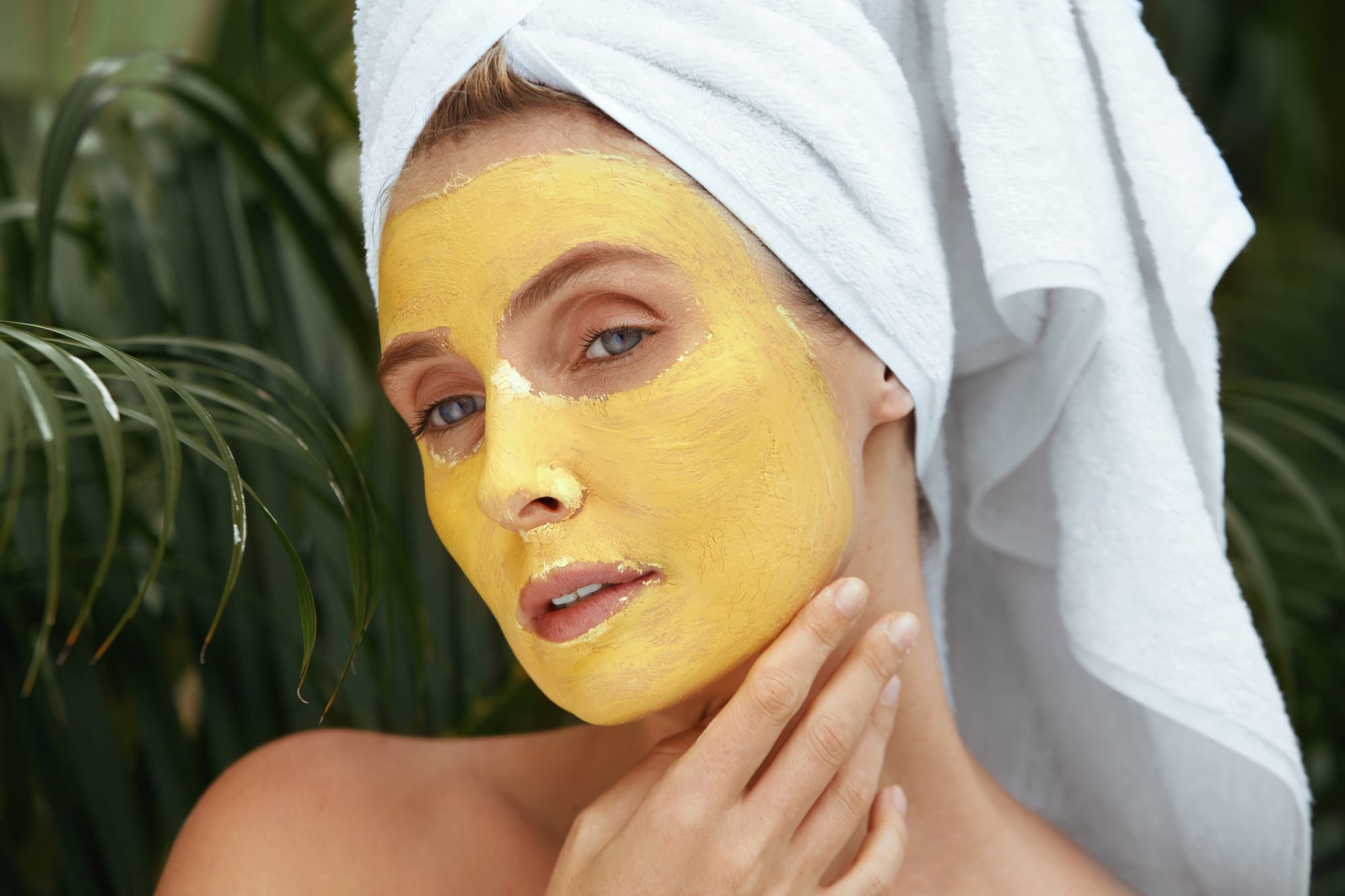
A yellow clay face mask offers a softer detox than green or bentonite clays, making it a friendly pick for sensitive or combination skin. Because it absorbs surface oil without stripping, this mask fits weekly routines aimed at clarity and glow. This guide shows how to mix the powder, how long to leave it on, and how to pair it with hydrating serums and tallow balm so the barrier stays calm.
Why Choose a Yellow Clay Face Mask
Yellow clay contains fine minerals that lift impurities and excess oil while drying more gently than stronger clays. It can clear sunscreen buildup and refine pores without a tight, squeaky feel. Its mild action suits skin that reddens easily, people who use actives on other nights, and anyone who prefers short ingredient lists. When you follow with hydration and a light balm, the mask becomes a reset rather than a stressor.
Prepping skin before masking
On mask day, skip strong exfoliants and wash with a creamy, fragrance-free cleanser. Lightly mist or pat on a hydrating toner so the surface is damp. This hydration prevents the clay from pulling too much water out of your skin. Keep hair secured and hands clean so you avoid contamination. Lay out your bowl, brush, and a soft towel so the process stays quick and calm.
How to mix and apply
Use a non-metal bowl and spoon. Combine one teaspoon of clay with one to two teaspoons of cool water or aloe juice until it reaches a yogurt-like texture. For extra glide, add two drops of squalane or a pea of tallow balm. Apply a thin, even layer with clean fingers or a silicone brush, avoiding the eye contour. Leave the yellow clay face mask on for 7-10 minutes and rinse before it fully cracks. Over-drying can cause micro-tears and rebound oiliness. Pat dry with a soft towel, no scrubbing.
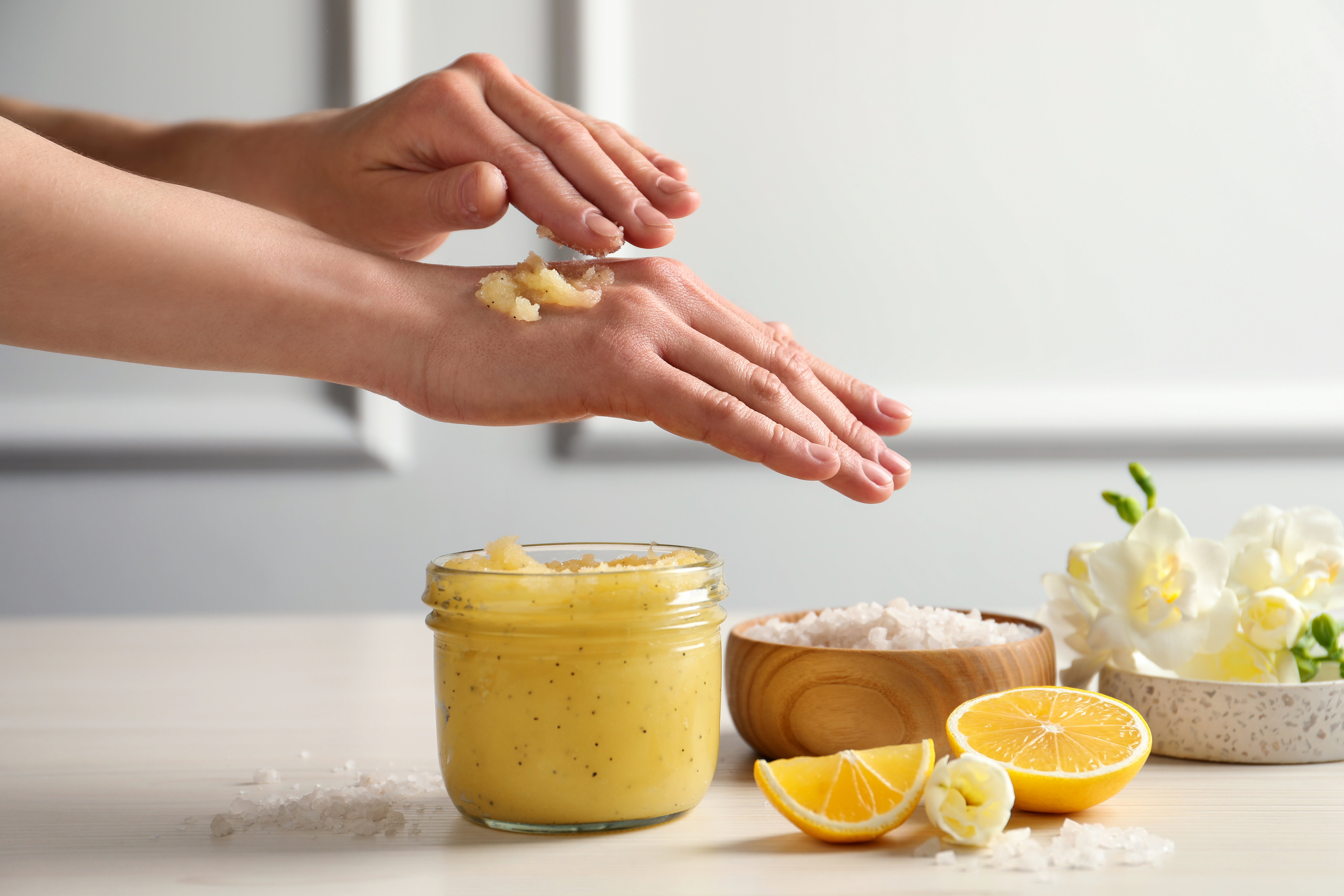
Pairing with hydration and moisturizers
After rinsing, apply a hydrating serum with hyaluronic acid, panthenol, or glycerin while skin is slightly damp. Follow with a light layer of tallow face cream or a tiny amount of tallow balm on the driest spots to seal moisture. Skip strong acids or retinoids on mask nights to avoid stacking irritation. In the morning, use mineral sunscreen to protect the freshly clarified surface and reduce the chance of post-mask redness.
How often to use it
Start with once a week. If skin feels balanced, move to twice weekly for oily T-zones; scale back if you notice tightness or flaking. Dry or sensitive types may prefer every other week. Keep other steps mild on mask days'no gritty scrubs or harsh foaming cleansers. The goal is a gentle reset, not a stripped finish. Track how your skin feels the morning after each use so you can lock in the ideal frequency.
Choosing clean clay and tools
Buy cosmetic-grade clay from reputable suppliers and avoid blends with added fragrance. Store the powder in a dry, airtight container away from steam. Mix in glass or ceramic bowls and use silicone or wooden tools to prevent metal reactions. Wash brushes and spatulas thoroughly to avoid bacteria transfer. If sustainable skincare matters to you, choose recyclable packaging and mix only what you need each session to reduce waste. Label the jar with the purchase date and replace it every 12 months.
Troubleshooting common issues
If skin feels tight after using the mask, shorten wear time to seven minutes and add a drop of squalane to the mix. If you see redness, increase hydration afterward and skip actives for 48 hours. Breakouts can occur if residue remains; rinse thoroughly with lukewarm water and a soft cloth, then pat dry. For very oily areas, spot-apply only on the T-zone instead of the whole face. Always patch test new powders on the jawline for two uses before spreading to the cheeks.
Building a weekly routine
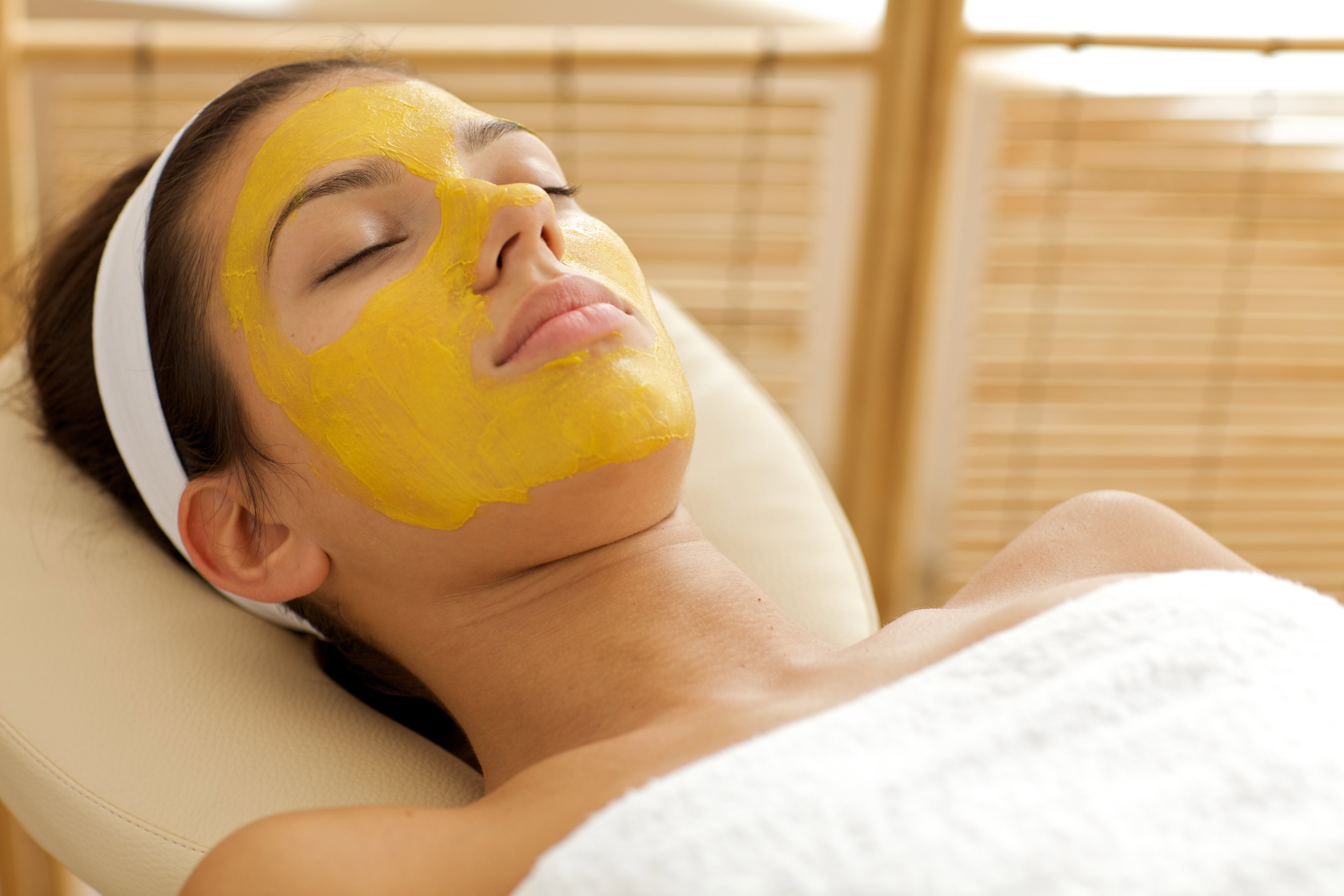
Plan one mask night, two hydration-heavy nights, and two light-active nights so your barrier gets rest. On mask night, cleanse gently, use the clay mask, hydrate, then seal with tallow balm. The next night, focus on hydrating serum plus moisturizer only. On active nights, keep exfoliants mild and skip the mask. This rhythm prevents overload and makes it clear which step causes irritation if it appears. For travel, pack a small jar of clay, a silicone brush, and a travel balm so the routine stays consistent.
After-mask calming routine
Once the mask is off, mist with thermal water, then press on a hydrating serum. Add a pea of tallow face cream or a drop of squalane plus balm to seal. If skin feels warm, place a cool compress for two minutes. Avoid direct heat, saunas, or sweaty workouts for a few hours so the barrier can settle. Hydrate well and keep sunscreen handy the next morning.
Mask hygiene and storage
Keep powders dry by storing them in airtight jars away from steam. Use clean, dry scoops to avoid introducing moisture that can lead to clumping. Wash mixing tools with gentle soap and let them air dry fully. Do not double-dip brushes into stored clay; portion what you need first. During travel, pre-portion powder into a small tin and carry a silicone brush for easy cleaning. Good hygiene keeps the mask gentle and reduces the risk of breakouts from contamination.
Pacing and timing for sensitive skin
If your skin is temperamental, keep mask time to seven minutes and follow with two hydrate-only nights. Add gentle actives back in on night three if the barrier feels calm. In drier seasons, switch to every other week and rely on hydrating serums plus balm between sessions. Log dates, products, and any redness so you can spot patterns and adjust quickly.
Who should be cautious
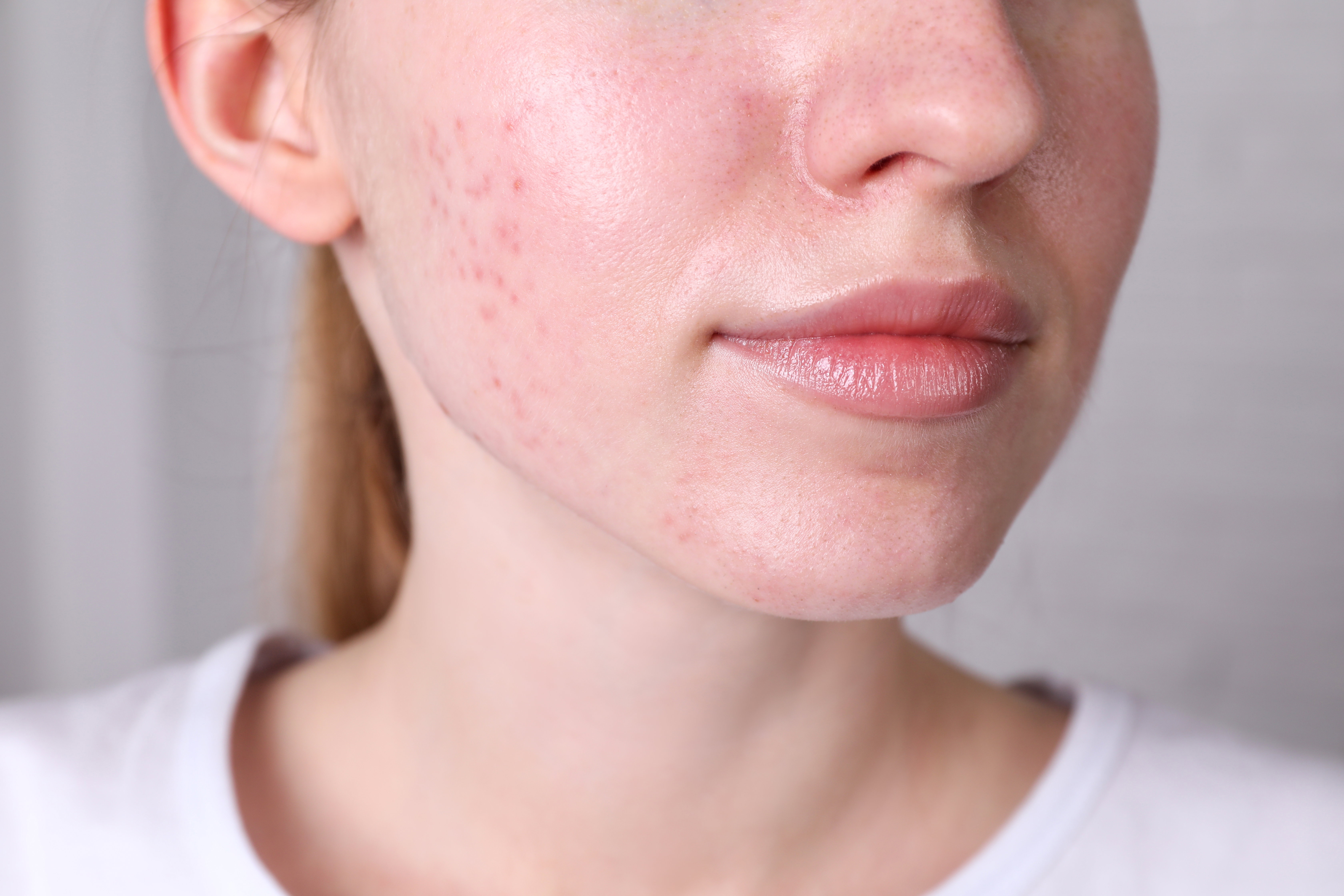
Very dry or barrier-impaired skin should patch test first and start at once every other week. If you are on prescription retinoids or have rosacea, ask your clinician before adding the mask. Those with fragrance sensitivities should stick to pure clay with no additives. If stinging occurs, rinse immediately, load up on hydration, and wait a week before trying again. Gentle use keeps the mask a help, not a setback.
Conclusion
A yellow clay face mask can brighten and clarify without stripping when you mix it gently, remove it before it cracks, and follow with plenty of hydration. By pairing the mask with hydrating serums, tallow balm, and mineral sunscreen, you keep the barrier steady while enjoying clearer-looking skin. Adjust frequency with the seasons, start light, and let your skin's response guide the routine. Keep notes to see what pacing works best for you. Use the same cadence consistently.
FAQ
Can I leave the mask on longer for better results?
No. Remove within 10 minutes, before it cracks. Over-drying can cause redness and disrupt the barrier.
Is it safe for acne-prone skin?
Yes, when applied in thin layers and rinsed before it hardens. Patch test first and follow with non-comedogenic hydration.
What can I mix with the clay to keep it gentle?
Water, aloe juice, or two drops of squalane work well. Skip strong acids or essential oils to keep the mask mild.