Skin glow cream: Natural Radiance with Blue Tansy & Picea Mariana
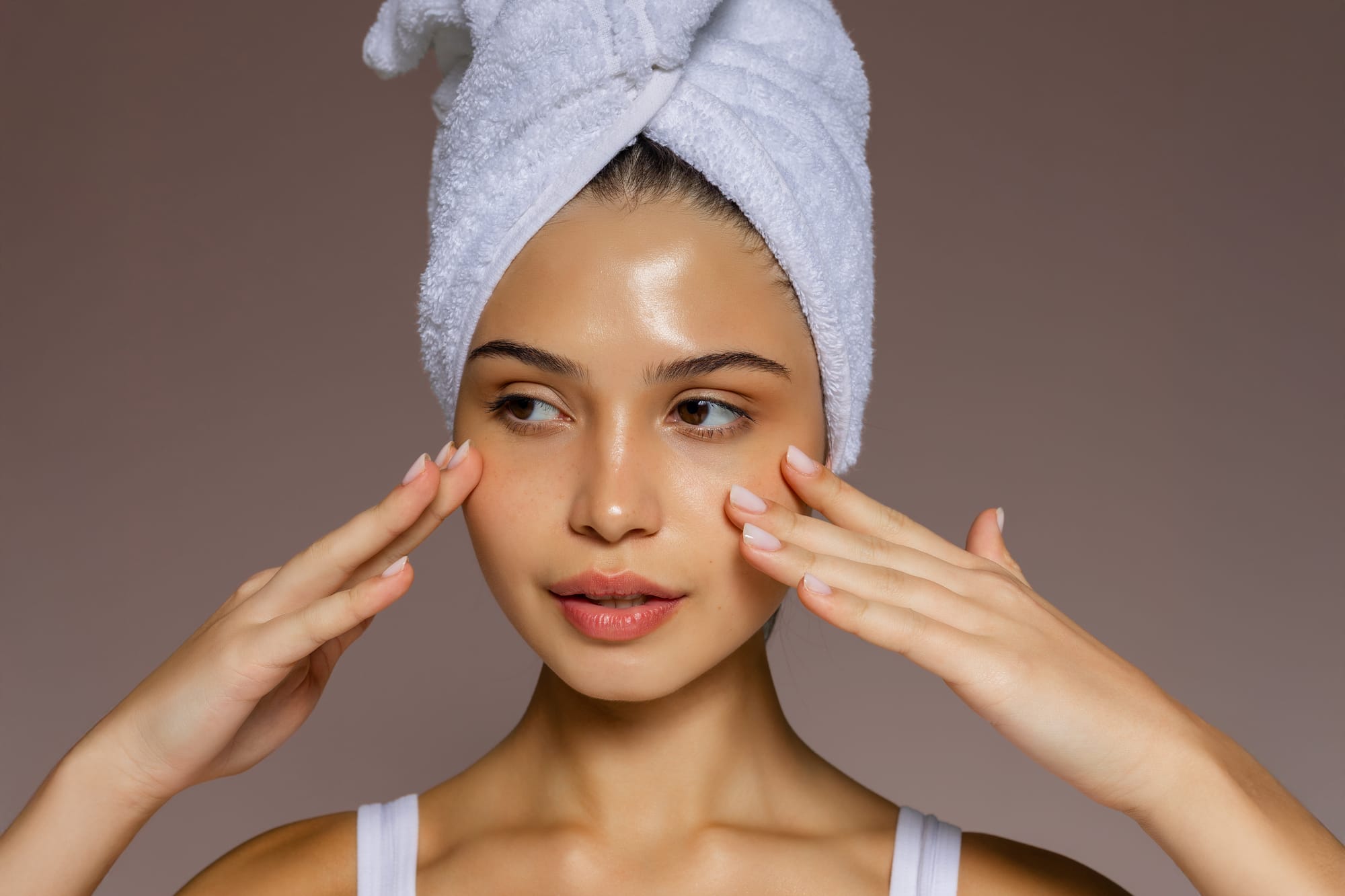
Skin glow cream sounds like a trend, but “glow” usually comes down to basics. When your skin is hydrated, the surface is smoother, light reflects evenly, and you look brighter without makeup. When your barrier is stressed, skin looks dull because it is dry, irritated, or inflamed.
This guide explains what creates real radiance, how aromatic botanicals like blue tansy and Picea Mariana are typically used in skin glow cream formulas, and how to fit a glow product into a routine without triggering sensitivity.
What glow really means (and why dullness happens)
Glow is not sparkle. It is comfort, hydration, and a calm surface. The most common causes of dullness are:
- Dehydration from hot showers, air-conditioning, and strong cleansers
- Over-exfoliation that disrupts the barrier
- Inconsistent moisturising and skipping sunscreen
- Irritation from fragrance, too many actives, or harsh scrubs
If you address those triggers, your skin often looks clearer within two to four weeks, even before you add any “brightening” products.
Choose a base that supports your skin first
Before you fall in love with a scent or a hero ingredient, check the base. A good cream should reduce water loss, soften rough patches, and feel comfortable for hours.
Many people like richer formulas at night, especially in cooler months. A beef tallow moisturizer can work well for this, because it is naturally dense and can help reduce tightness when used on slightly damp skin.
If you are exploring beef tallow skin care, look for a clean rendering process, minimal fragrance, and clear sourcing. The quality of the base matters more than any single botanical.
Blue tansy and Picea Mariana: what they are and how they are used
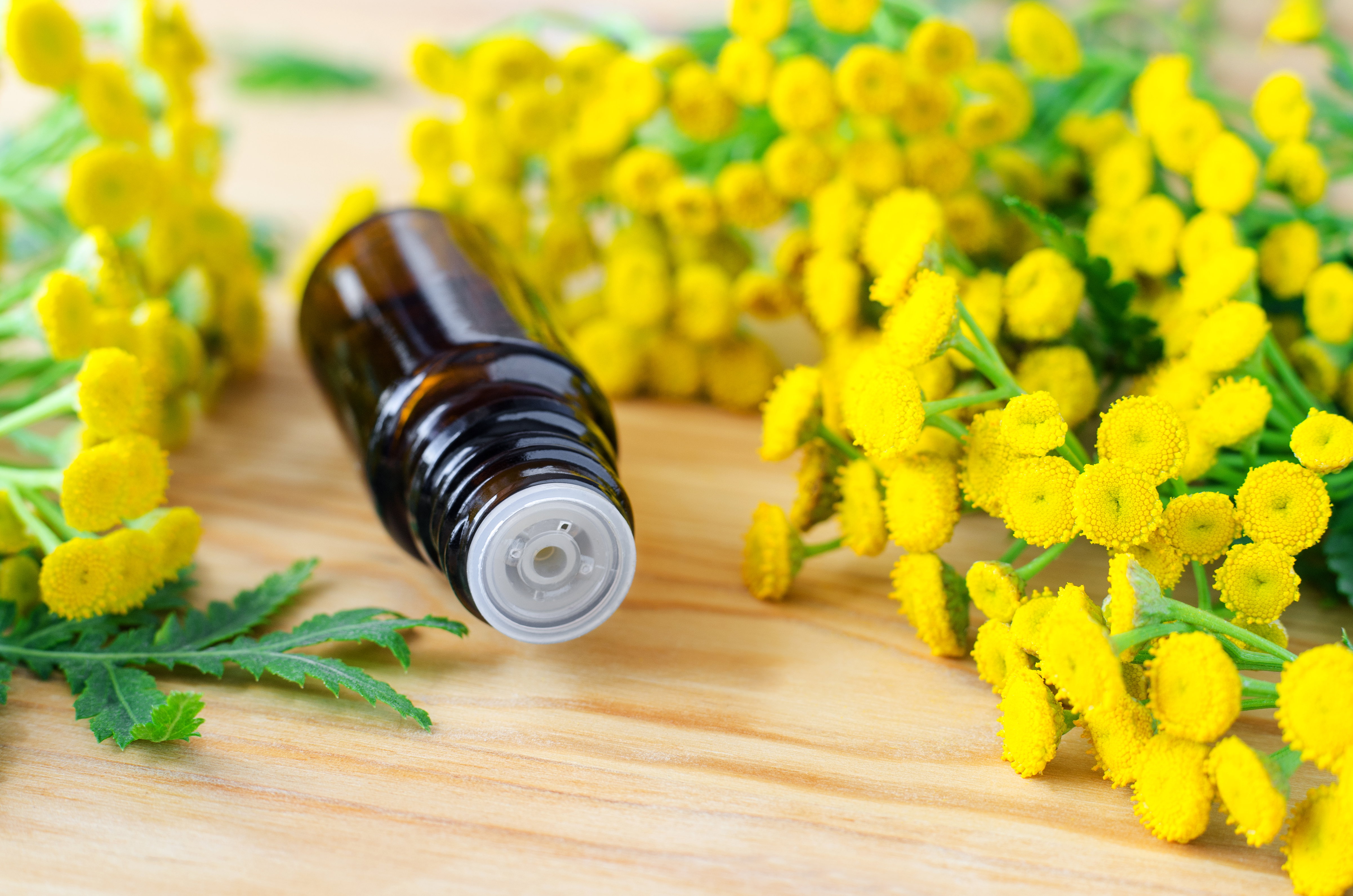
Blue tansy is an aromatic botanical often used in tiny amounts for its calming feel and its distinctive, herbal scent. Picea Mariana (black spruce) is another aromatic extract used for a fresh, resinous note that many people find grounding in night products.
These ingredients are typically used as part of a fragrance profile, not as the “main” moisturiser. Because they are aromatic, they can irritate very reactive skin. If you are sensitive, patch test and keep the rest of your routine simple so you can tell how your skin responds.
If you love the idea of a comforting night product but want fewer botanicals, choose a formula with a simple base and a subtle scent.
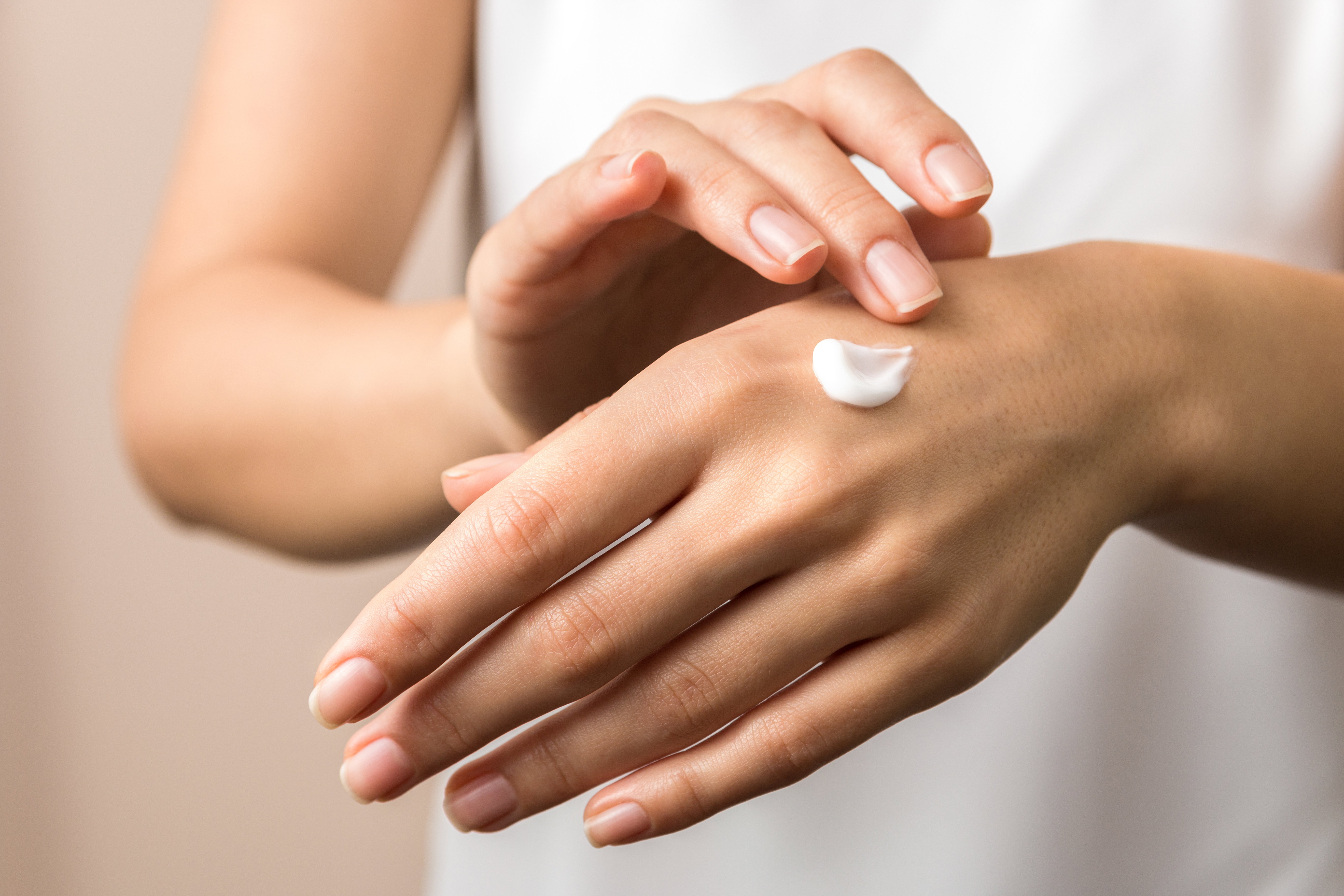
Patch testing aromatic creams before full-face use
If you have ever tried a “soothing” product and ended up redder than before, you are not alone. Even gentle formulas can be a problem if your barrier is compromised, or if you react to a specific botanical.
To patch test, apply a small amount behind the ear or along the jawline once a day for three days. Keep everything else the same. If you see itching, swelling, clustered bumps, or a hot, tight feeling the next morning, stop and return to a basic cleanser plus moisturiser. Avoid testing on broken or freshly exfoliated skin, because that makes any ingredient feel stronger than it really is.
Patch testing is also useful when you change seasons. A cream that feels perfect in winter can feel too rich in humid weather, so the “right” product can shift over the year.
Pairing glow creams with actives and sunscreen
If you use strong actives, the goal is to avoid irritation stacking. A glow product is meant to support, not to compete with acids and retinoids.
Try one of these simple approaches:
- Alternate nights: use your active one night, then focus on hydration the next night.
- Buffering: apply your active, wait a few minutes, then follow with a moisturiser to reduce dryness.
- Reduce your “extras”: skip scrubs and multiple exfoliants when you introduce a new scented product.
In the morning, sunscreen is what protects the results you are working for. If you moisturise well at night but skip sun protection, dullness and uneven tone usually come back quickly. Keep morning cleansing gentle, moisturise lightly if needed, and apply sunscreen as the final step.
How to use skin glow cream without overdoing it
Skin glow cream works best when it is the final step, not one more layer on top of ten steps. Keep it practical:
- Cleanse gently at night.
- Apply any active products only if your skin is calm.
- Moisturise while skin is slightly damp.
If you are rebuilding your barrier, treat your moisturiser like a skin repair cream and skip new actives for two weeks. Consistency matters more than intensity.
If you are sensitive, choose one hero product and keep the rest predictable. In a simple skincare routine, that makes it much easier to see what improves texture and what triggers redness.
If you prefer a lighter feel, try a tallow face cream in the morning and save the richer glow product for night. That way you get comfort without feeling heavy during the day.
How to choose a glow cream in Australia
When you shop for natural skincare australia, do not rely on vague “clean” claims. Look for clear INCI lists, transparent scent information, and a brand that tells you how the product is made.
Also consider the practical details that affect daily use. Choose packaging that keeps the product stable, store it away from direct heat and sunlight, and start with a small amount so you can judge the finish on your skin. If a formula is heavily scented, avoid applying it close to the eyes, and keep the rest of your products fragrance-light so you are not stacking potential triggers. The best glow cream is the one you can use consistently without drama.
Organic skincare can be a good signal for farming standards, but it does not guarantee the product will suit sensitive skin. Always patch test, especially if the product includes essential oils.If you are shopping locally, australian made skincare brands often give you better access to sourcing and fresher stock. That can matter for products with delicate botanicals and natural oils.
If you want to minimise irritation, choose a simple cleanser, wear sunscreen daily, and focus on hydration before you chase “brightening” actives.
Conclusion
Radiance is usually the side effect of barrier care. Use skin glow cream as a supportive final step that seals in moisture and keeps your routine enjoyable. Keep the base simple, patch test aromatic botanicals, and give your skin time to respond before switching products. If you want a glow that lasts, pair your night moisturiser with daily sunscreen and gentle cleansing, then keep going for a full month. Consistency is what makes the glow stick.
FAQ
Is skin glow cream suitable for acne-prone skin?
It depends on the formula and how much you use. Start with a thin layer, patch test, and avoid layering multiple heavy products. If you are acne-prone, introduce one new product at a time.
Can I use blue tansy products with retinoids?
Often yes, but keep the routine simple and watch for irritation. If your skin feels sensitive, alternate nights and prioritise moisturising until your barrier feels comfortable again.
What should I look for if I have sensitive skin?
Choose a skin moisturizer for sensitive skin with minimal fragrance and a supportive base. Patch test for a few days and avoid starting multiple new products at once.