Tallow Conditioner Bar: Why It Beats Bottled Conditioners for Moisture
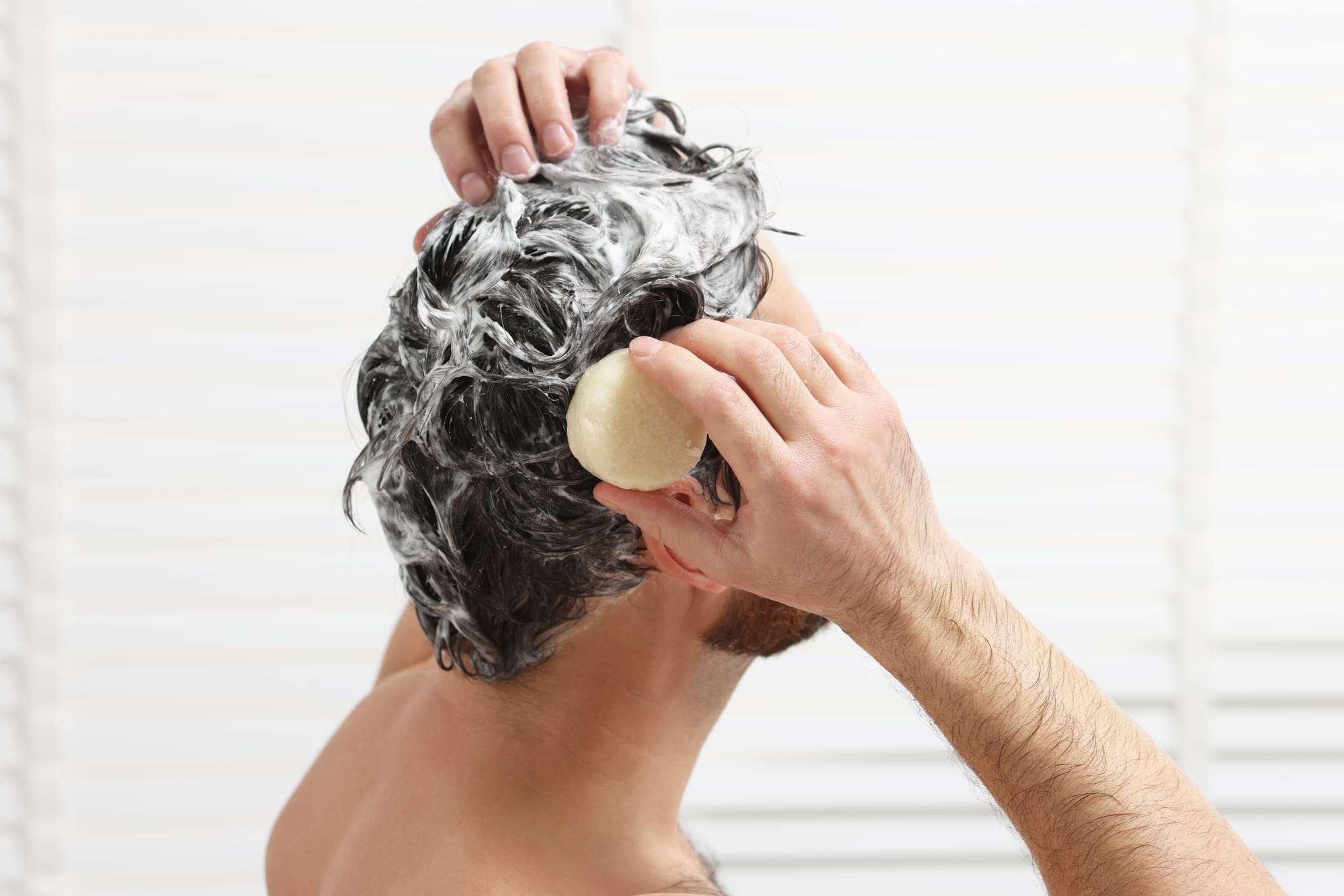
A tallow conditioner bar can outperform bottled formulas because it uses stable, skin-friendly fats without fillers. When the bar melts in your hands, the grass fed beef tallow and natural castor oil coat strands evenly, sealing moisture without heavy silicone build-up. Switching to a conditioner bar also reduces plastic waste and frees space in the shower. If your hair feels coated or dry after liquid conditioners, this format offers a cleaner finish with fewer preservatives.
In this guide, you will see how to use a tallow conditioner bar with a tallow shampoo bar, how to pick the right ingredients for slip and shine, and how to store bars so they last. You will also learn routines for different hair types, travel tips, and how ethical skincare Australia brands source grass fed fats responsibly.
Why a tallow conditioner bar holds moisture
A tallow conditioner bar delivers saturated and monounsaturated fats that mirror the scalp's natural lipids. This lets the bar seal cuticles without the plastic film some bottled products leave behind. Because the fats are solid at room temperature, the bar stays stable and needs fewer preservatives. With a short ingredient list, you avoid fragrances and silicones that can weigh hair down.
When you glide the bar over damp hair, the blend spreads evenly and rinses clean. The result is soft slip that remains after drying, helping brushes pass through without snagging. Over time, a consistent routine with a tallow conditioner bar can lower frizz and reduce how often you need deep treatments. Because the bar is waterless, you are not paying for diluted ingredients, and each ounce lasts longer than a typical bottle. That concentration also means fewer shipments and less packaging over the course of a year.
Key ingredients for slip and shine
Look for grass fed beef tallow first on the label, paired with natural castor oil for glide and bubbles. A touch of cocoa or shea butter adds softness, while lightweight oils like jojoba or argan can boost shine without heaviness. Avoid heavy synthetic fragrance; choose bars scented lightly or unscented if your scalp is sensitive.
Ethical skincare Australia makers often list batch numbers and farm sources, a sign that fats are fresh and responsibly rendered. If you prefer palm-free, check the ingredient list or ask the maker directly. Chelators such as citrate help in hard water areas, keeping the bar performing well even when minerals are high. If you have color-treated hair, scan for panthenol or rice protein, which can support strength without adding weight. When in doubt, choose the bar with the shortest, most recognizable ingredient list.
How to use a tallow conditioner bar
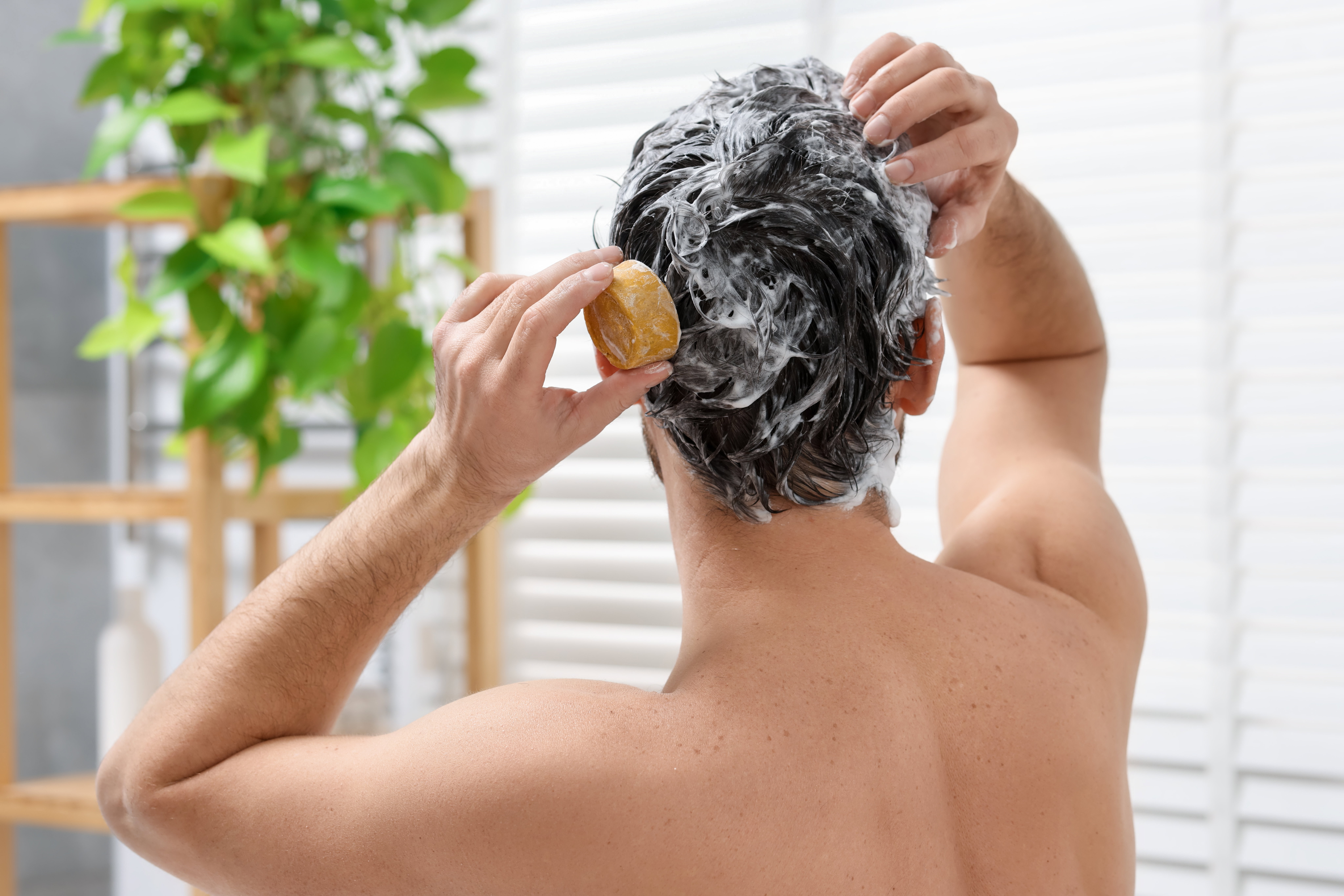
After washing with a tallow shampoo bar, run water through your hair and warm the conditioner bar between your hands. Swipe it from mid-lengths to ends, then comb with fingers or a wide-tooth comb to distribute. Let it sit for one minute to let the fats smooth the cuticle, then rinse with cool water for extra shine.
Fine hair may only need two or three passes of the bar, while thick or curly hair benefits from more swipes and added water to help slip spread. If you like a leave-in effect, melt a pea-sized amount in your palms and scrunch into the ends on damp hair. On refresh days, emulsify a tiny amount with water and scrunch into dry ends to revive shape without a full wash.

Hair-type routines and troubleshooting
For fine or oily roots, keep the tallow conditioner bar below the ears and use a diluted apple cider vinegar rinse weekly to maintain lightness. For curls and coils, section hair and apply the bar generously to each section, then detangle gently. If hair feels coated, reduce swipe counts or rinse longer with lukewarm water.
Swimmers can use the bar before and after pool sessions to buffer against chlorine. If ends stay rough, pair the bar with a small amount of lightweight oil before bed and wash in the morning. Track swipe counts in a note so you can repeat what works. If you heat-style often, apply a pea of conditioner as a leave-in before blowing dry to add slip and limit mechanical stress. Those with flaky scalps can rinse thoroughly, then massage a tiny amount only through the lengths to avoid build-up at the roots.
Styling prep and scalp comfort
A tallow conditioner bar can double as a styling primer. After rinsing, leave a light film on the ends before braiding or heat styling to reduce friction. For updos, a small amount melted between palms can smooth flyaways without hairspray.
If you wear protective styles, apply the bar section by section to keep hydration locked in before braiding.
For sensitive scalps, use cooler water and keep the bar focused on lengths. Pair the conditioner with a scalp brush once a week to lift buildup from dry shampoo or sweat. Because the formula is simple, it is easier to spot any reactions and adjust without guessing through a long ingredient list.
Storage, travel, and sustainability
Store the tallow conditioner bar on a draining dish to prevent mushiness. Rotate bars between shower and gym bag to let each dry fully. For travel, use a ventilated tin or wrap the bar in waxed paper to avoid mess in your luggage.
Choosing a solid bar cuts plastic and lowers shipping weight. Supporting australian made skincare also keeps supply chains shorter. When your bar gets small, press the sliver onto a new bar or pop it into a mesh pouch so nothing gets wasted.
Conclusion: Better moisture with a simple bar
A tallow conditioner bar offers concentrated moisture, fewer additives, and lower waste. By choosing fresh, grass fed ingredients and matching swipe counts to your hair type, you can replace bottled conditioners without losing slip or shine. Start with one bar from Aussie Tallow, test for two weeks, and adjust how many passes you use until hair feels smooth and light. Write your preferred routine on the storage tin so the method is easy to repeat. Revisit your routine each season; drier months may need more swipes while humid months need fewer. With a small learning curve, the bar becomes a reliable, travel-ready staple.
FAQ
Can a tallow conditioner bar replace my bottled conditioner?
Yes. Start with a few swipes on mid-lengths and ends, then rinse. Increase slowly until hair detangles easily without feeling coated.
Will it weigh down fine hair?
Use fewer swipes and rinse with cool water. If hair still feels heavy, reduce the amount and add a weekly vinegar rinse to keep buildup low.
How long does one tallow conditioner bar last?
Most bars last 40 to 60 uses depending on hair length and how many swipes you take. Keeping the bar dry between uses extends its life.