Natural Castor Oil and Frankincense: The Duo That Nourishes Skin and Hair from Root to Tip
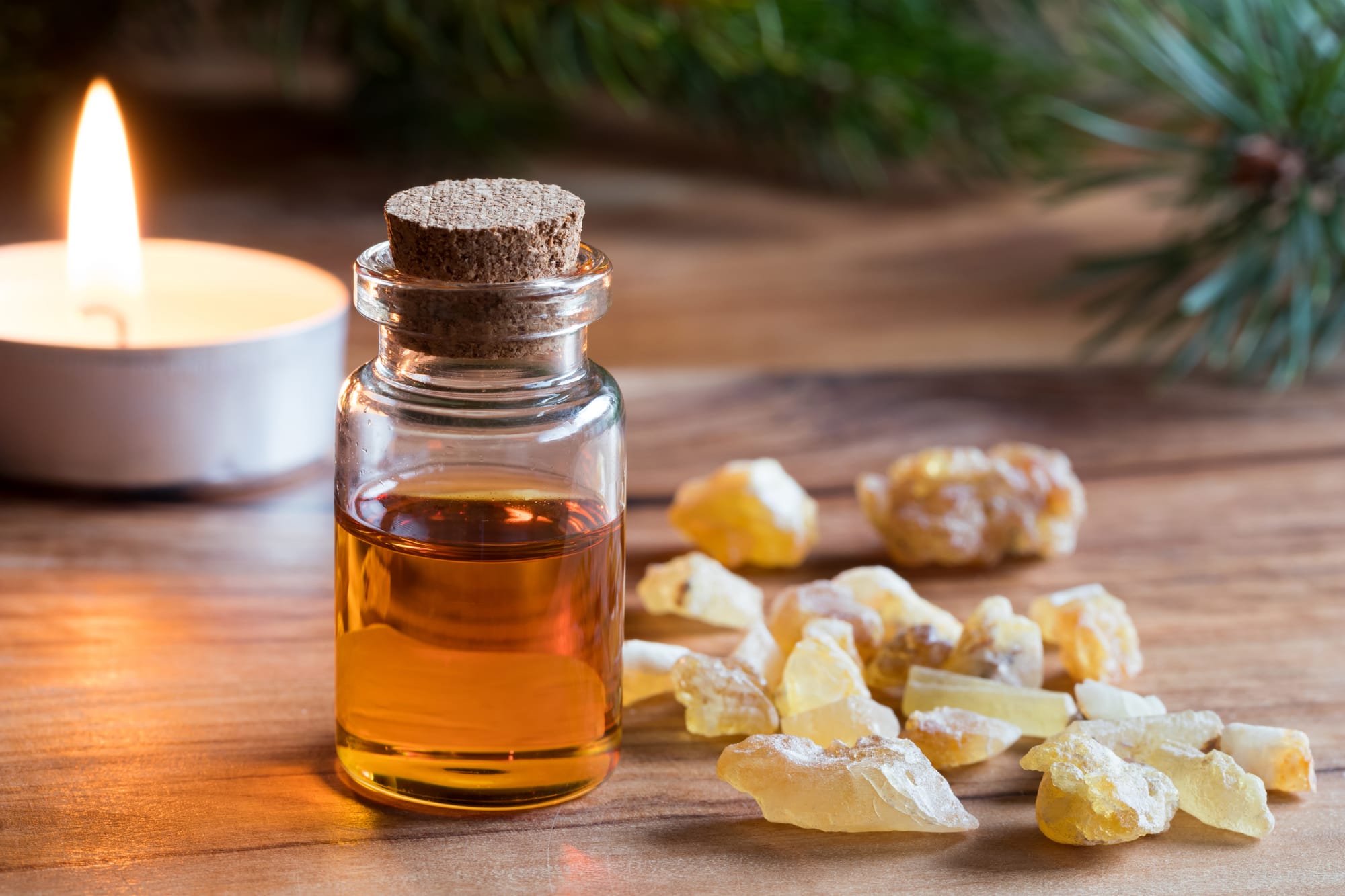
Natural castor oil is a dense, glossy liquid pressed from castor beans. Used in tiny amounts, it helps dry skin, scalp, and hair hold water longer. The fatty acid profile acts like a humectant, keeping hydration in place while an occlusive balm seals it. In this guide you will learn where natural castor oil works best, how to combine it with tallow balm or lighter oils, and how to pick cold-pressed bottles that align with sustainable skincare values.
Why this oil supports skin and hair
Ricinoleic acid gives this oil a humectant effect that draws moisture toward the skin surface. A single drop can soften cuticles, heels, and hair ends because it forms a breathable film without silicones. It also contains small amounts of vitamin E and other antioxidants that support surface resilience. The texture is thick, so pairing it with squalane, jojoba, or a tallow face cream spreads the benefits without tugging. Sensitive routines benefit from that simplicity: no fragrance, no dyes, and only a few lipids the barrier recognizes.
Face routine with natural castor oil
Patch test on the inner arm for 24 hours before using it on your face. For daily care, place one drop into three drops of squalane or mix it in your palm with a pea of tallow face cream. Press the blend onto damp skin after a hydrating serum so water stays under the seal. Keep layers thin around the T-zone to avoid congestion. If you use vitamin C or azelaic acid, let those absorb for ten minutes, then add your blend. Two or three face sessions per week are enough; very dry cheeks can handle gentle nightly use if pores stay clear.
Scalp and hair routines
For scalp comfort, warm a teaspoon between your palms and massage onto the scalp once a week. Leave it for 20-30 minutes, then shampoo twice to lift residue. To protect hair ends, rub a single drop between hands and smooth over damp tips after washing. If you use a tallow conditioner bar, add the drop on the ends for extra slip. Avoid roots if hair is fine or easily weighed down. People wearing protective styles can dab a tiny amount along part lines to reduce flaking, but avoid saturating braids or twists to prevent buildup.
Blending with balms and creams
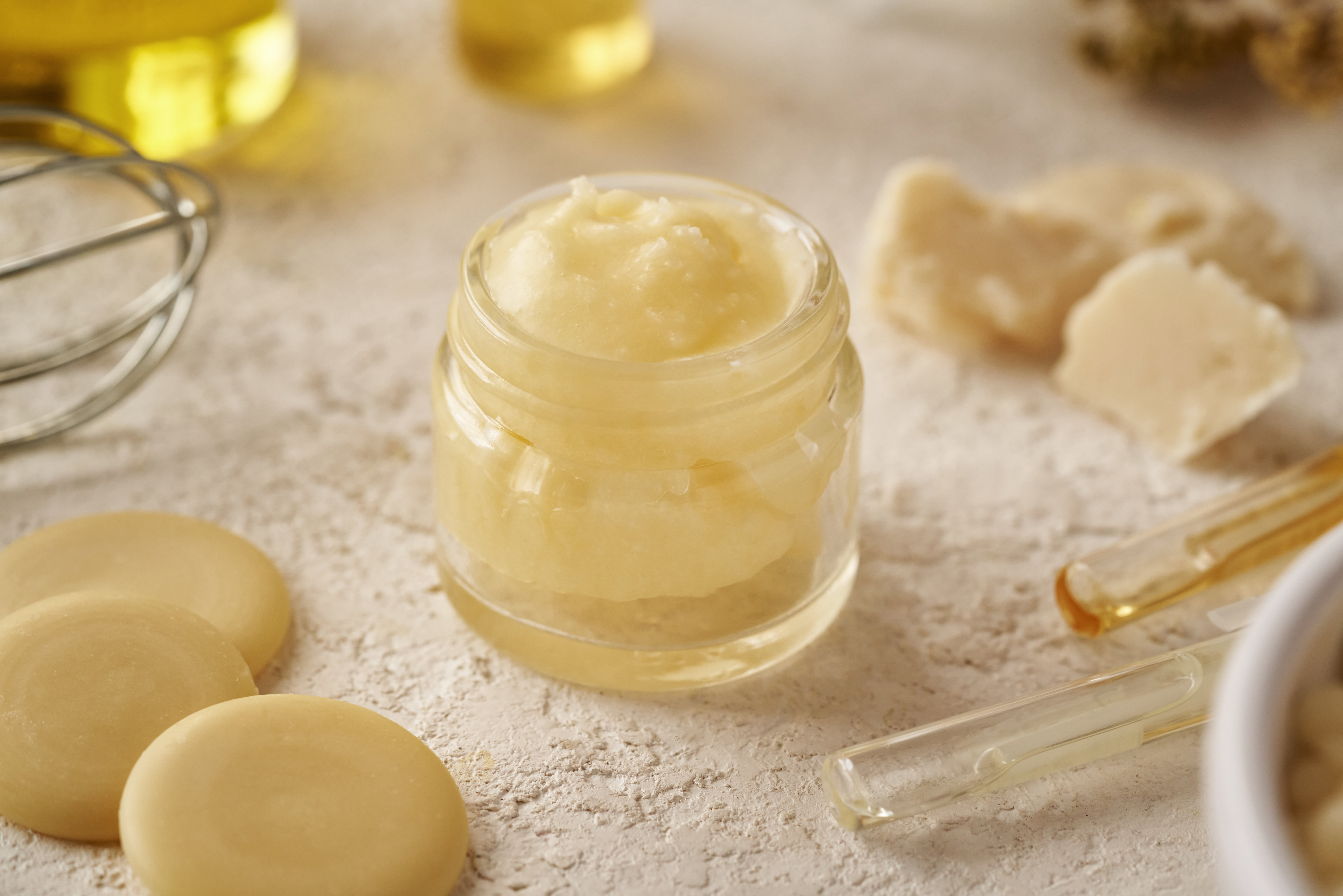
Because the texture is thick, blending improves spread and comfort. Add one drop to a pea of tallow balm for a richer night treatment on cracked knuckles or windburned cheeks. To make a simple ointment, melt equal parts grass fed beef tallow, squalane, and this oil, then cool to a soft balm; keep it unscented for sensitive skin. For lashes or brows, place a pinhead amount on a clean spoolie and brush through once at night, staying above the waterline. Less is more'start tiny and increase only if skin stays calm.
Choosing and storing your bottle
Look for cold-pressed, hexane-free oil in dark glass bottles. Choose brands that list batch dates, farm origin, and purity testing. Avoid added fragrance or essential oils; the base works best plain. Store in a cool, dark cupboard and replace every nine months to keep texture smooth. Cloudiness in cold weather is normal'warm the bottle between your hands to liquefy. If sustainable skincare matters to you, pick recyclable packaging and right-size your purchase to prevent waste. A 30 ml bottle often lasts months when you use only drops.
Layering with sunscreen and makeup
Morning routines should stay light. Apply a hydrating serum, then a tiny blend of this oil with your moisturizer only on dry patches. Let it settle for five minutes before mineral sunscreen to avoid pilling. If you wear makeup, press a tissue once over the T-zone so foundation grips evenly. Skip heavy layers on hot days and reapply only to cheeks if they feel tight. For travel, decant a few milliliters into a tight bottle and keep it in a clear bag with sunscreen so you never skip protection.
Seasonal and lifestyle adjustments
Cold, dry air calls for thicker sealing. In winter, add an extra drop to your night blend and pair with a humidifier. In humid summers, use the oil only at night and only on the driest spots. Endurance sports, swimming, or frequent hand washing can strip lipids; respond with a drop mixed into balm after each session. Shift amounts slowly'small tweaks prevent surprises and keep the barrier steady.

Two-week trial plan
Day 1-3: patch test, then apply a drop-blend at night to cheeks and hands.
Day 4-6: add scalp massage once, leaving it for 20 minutes before shampooing twice.
Day 7: rest and note any congestion.
Day 8-10: resume face and hand use; add hair-end smoothing after a wash.
Day 11: second scalp session if the first felt good.
Day 12-14: hold steady, review notes on texture, shine, and any bumps. This cadence shows how the ingredient behaves before you commit to longer use.
Who should be cautious
People with very acne-prone skin should use this ingredient only at night and only on visibly dry spots. If bumps appear, stop for a week and rely on humectants plus a light balm instead. Those with seborrheic dermatitis on the scalp should clear flare-ups with clinician guidance before adding oils. If you have allergies to castor derivatives, avoid use entirely. When in doubt, ask a dermatologist and introduce one new product at a time so you can see cause and effect clearly.
Safety, patch testing, and adjustments
Even gentle oils deserve a patch test. Apply a thin streak to the inner arm for two days before moving to the face. Keep use at night if you are unsure. If congestion appears, scale back to once a week and rely on hydrating serums plus a light balm for sealing. For scalp care, always shampoo twice after treatments to clear residue. Keep a log of dates, amounts, and reactions so you can adjust quickly. Slow, deliberate changes make this ingredient an easy fit in a predictable routine.
Conclusion
Natural castor oil works best in drops, not drizzles. By blending it with lighter textures, applying on damp skin, and spacing treatments through the week, you get softness without heaviness. Choose cold-pressed, fragrance-free bottles, track how your skin and scalp respond for two weeks, and adjust frequency with the seasons. A small, well-used bottle, good notes, and a steady routine deliver the benefits with minimal fuss. Keep a simple log to stay consistent.
FAQ
Can this oil clog pores?
It can if you use too much. Keep it to a drop, blend with lighter oils, and avoid heavy layers on the T-zone. Patch test first and reduce to once a week if you see congestion.
How often should I use it on my scalp?
Once weekly is plenty for most people. Massage in, leave for up to 30 minutes, then shampoo twice. If hair feels coated afterward, use less the next time.
Can I mix it with tallow balm?
Yes. One drop mixed into a pea of tallow balm adds slip and shine while the balm seals moisture. Keep blends fragrance-free and apply on damp skin for best spread.