Why Tallow Skincare Is the Purest and Most Nutrient-Rich Choice for Your Skin
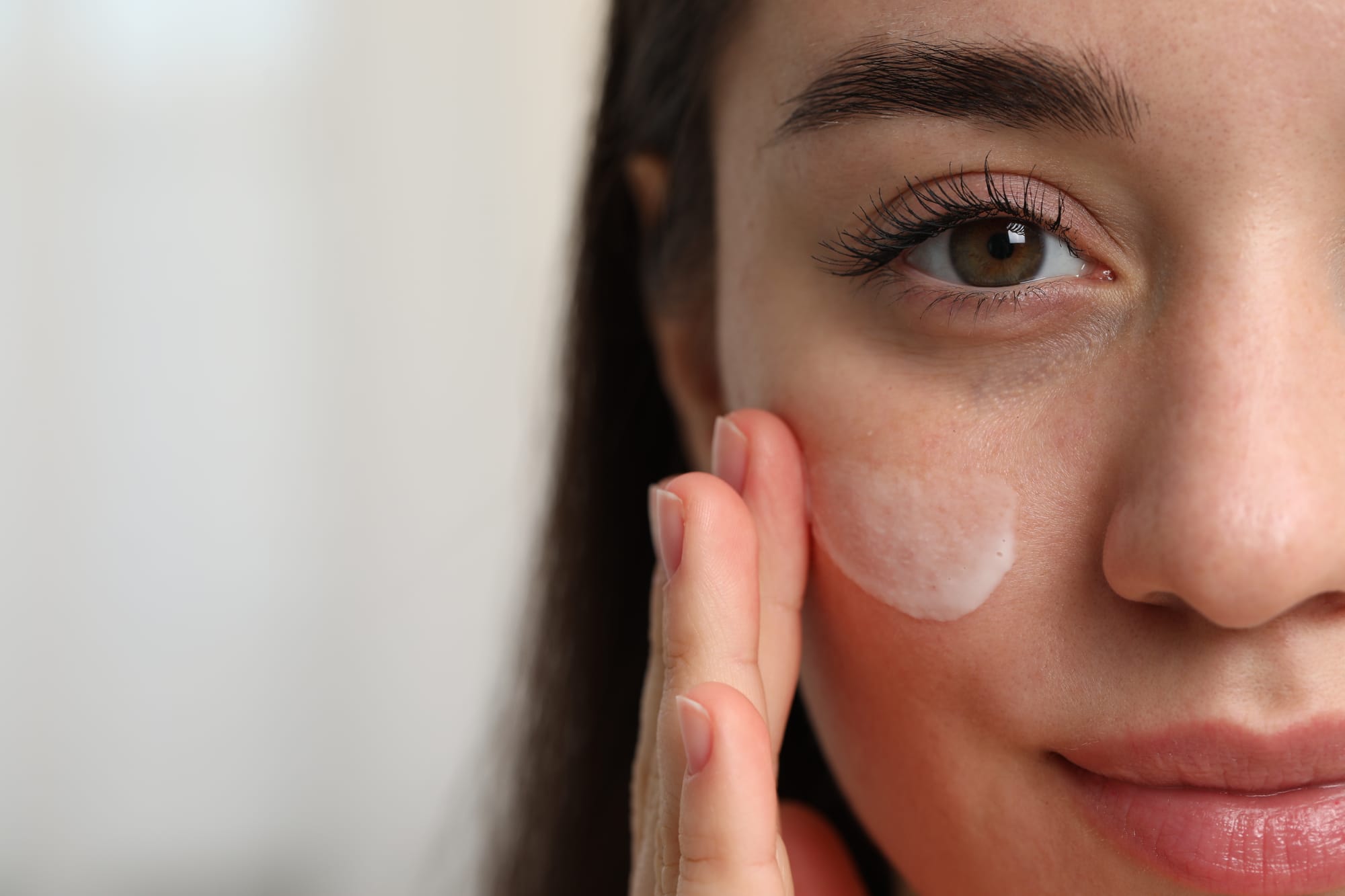
Tallow skincare is gaining momentum because it feeds the skin barrier instead of covering it with perfumes and fillers. When you pick grass fed formulas, you get stable fats, vitamins, and a texture that feels like your own sebum. This article explains why Tallow skincare stays closer to nature, how to build a routine around it, and which supporting products keep results steady. You will also learn how to spot greenwashing, how Australian sourcing improves quality, and how to adjust for sensitive, dry, or combination skin. By the end, you will know whether a minimalist plan anchored in Tallow skincare can replace the crowded shelf of seed oil lotions. We will also touch on storage in hot climates, how to test compatibility with makeup, and how to travel with solid balms and creams.
What Makes Tallow Skincare Different from Seed Oil Formulas
Seed oil-heavy creams can oxidize and irritate. Tallow skincare uses fats that are structurally close to your skin, so they absorb and calm instead of sitting on top. Because the ingredient list is short, you avoid hidden fragrance blends and confusing additives. That simplicity also makes it easier to identify what works and what does not.
When you compare labels, you will see fewer emulsifiers and more recognizable ingredients. This lowers the risk of barrier disruption and keeps your moisturizer predictable through season changes. The result is a product that behaves like a beef tallow moisturizer with a clean conscience and a cleaner deck. If you are used to long decks, the short list may feel strange at first, but it delivers on calm, repeatable results.
Nutrient Profile of Grass Fed Tallow and What It Does
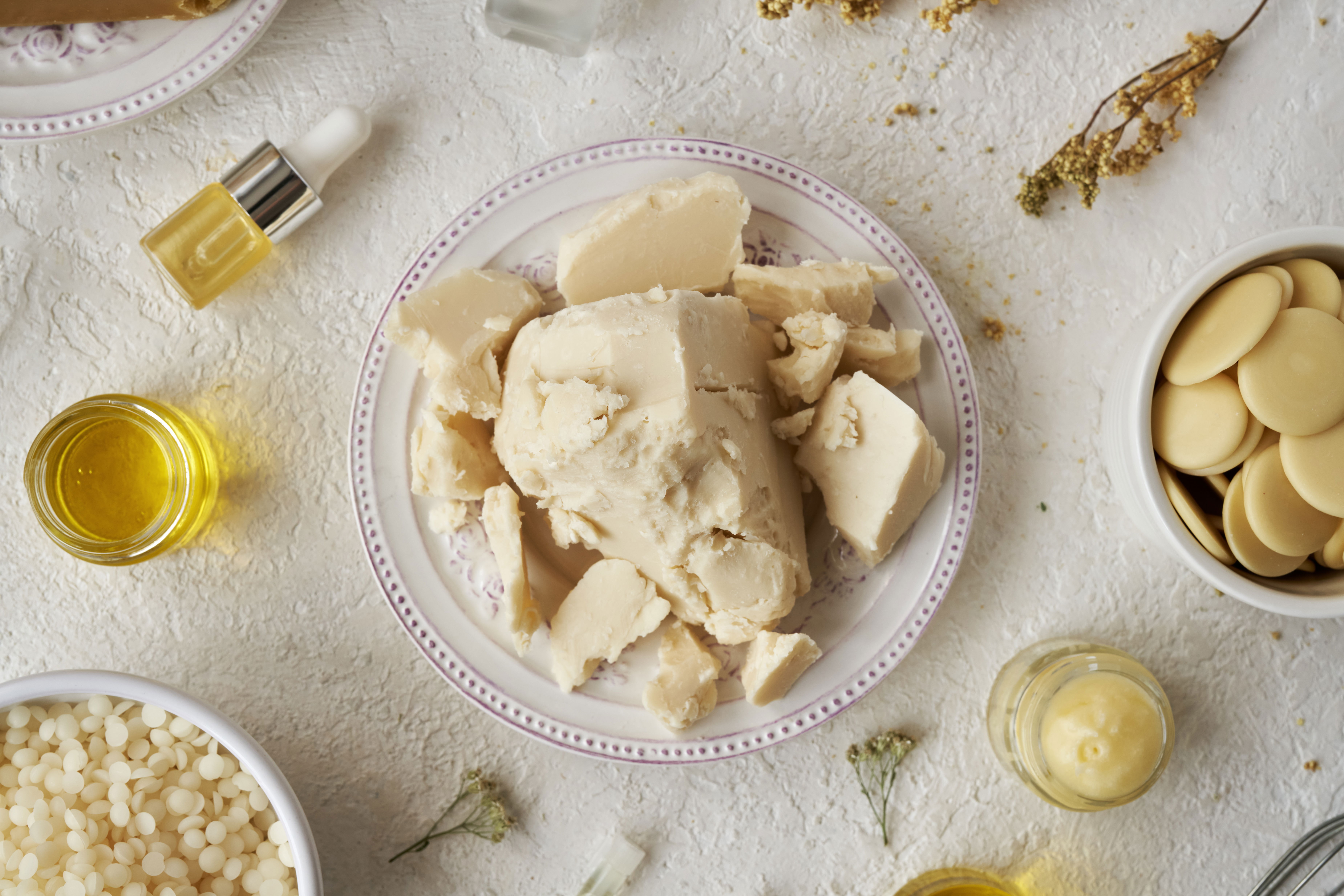
Grass fed beef tallow carries vitamins A, D, E, and K along with stearic and palmitic acids. These nutrients help maintain elasticity, reduce transepidermal water loss, and give your barrier the fats it recognizes. Tallow skincare also contains conjugated linoleic acid, which can soothe after sun or wind. Because it is stable, it does not go rancid as quickly as many seed oils.
That stability protects sensitive skin from oxidized lipids that can trigger redness. When paired with hydrating serums or mists, the occlusive layer locks in water without suffocating pores. If you want a gentle glow, this nutrient density supports it with fewer steps.
Building a Minimalist Tallow Skincare Routine
Start with a gentle cleanse, then apply a mist, a serum if needed, and a Tallow skincare moisturizer on damp skin. In the morning, finish with mineral sunscreen; at night, add a rice-grain more on dry spots. Introduce actives on alternate evenings so your barrier has time to adjust. If you wear makeup, use a light oil cleanse first, then a cream cleanse, and end with the tallow product.
This keeps the routine short, sustainable, and easy to repeat. Track reactions in a simple note app so you know what to tweak. The goal is a routine that takes five minutes yet delivers calm, consistent hydration. Once a week, check your jar for texture; if it has softened from heat, stir gently and chill it for an hour. When traveling, pour a small portion into a travel jar and keep it in a clear bag so airport checks are easy.
Who Benefits Most from Tallow Skincare
People with dry, sensitive, or combination skin often notice faster relief when switching to Tallow skincare. It can also help those recovering from over-exfoliation or retinoid irritation because it buffers and seals. Parents like it for baby-safe spots thanks to the short ingredient list.
Travelers appreciate the stability in heat, and outdoor workers value how it shields against wind. If you have oily skin, you can still test a small amount at night to see if it balances sebum without clogging. The key is starting small and observing how your barrier responds over a week.
Sourcing, Sustainability, and Australian Transparency
Quality Tallow skincare depends on how the fat is sourced and rendered. Grass fed herds yield cleaner, more nutrient-rich tallow, and responsible rendering keeps the scent neutral. Australian makers often share farm partnerships and batch testing, which builds trust. Choosing local, ethical suppliers supports sustainable skincare and reduces transport emissions.
Look for brands that publish ingredient origins, avoid heavy plastics, and offer refills where possible. Those signals show a commitment to both your skin and the planet. Ask whether the brand uses recyclable shipping materials and minimal padding; these small choices reveal how deeply they value sustainability. If a company answers sourcing questions quickly and clearly, that clarity usually carries over into better formulas.
Troubleshooting Common Mistakes with Tallow Skincare
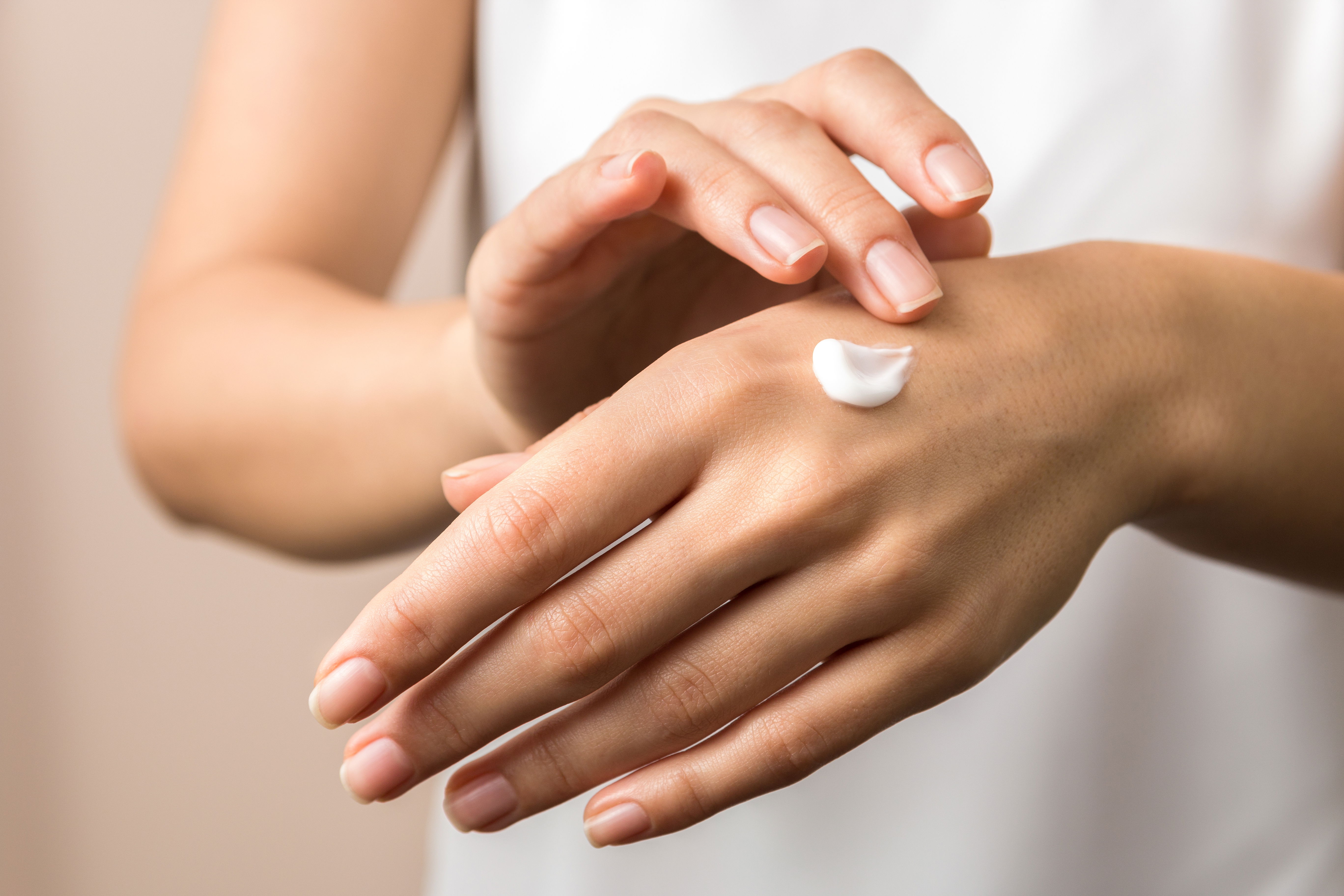
Most problems come from using too much product or stacking too many actives alongside it. Start with a pea-sized amount of Tallow skincare, and only increase if skin still feels tight after five minutes. Always apply to damp skin so the cream can trap water; on dry skin it may feel heavier.
If pilling occurs, reduce the amount of serum underneath or wait longer between steps. Breakouts often signal either over-application or another product causing congestion. Try a week of only cleanser, mist, and tallow to isolate the issue. For heat waves, store the jar in a cool cabinet, and for cold, warm a dab between your palms before pressing it on. These small adjustments keep the routine smooth and maintain trust in the product.
Conclusion: Let Tallow Skincare Simplify Your Shelf
Tallow skincare satisfies the barrier with fats it understands, fewer additives, and a routine that anyone can repeat. By prioritizing grass fed sources, clear labeling, and steady application, you can leave filler-heavy lotions behind.
Start with one moisturizer from Aussie Tallow, compare your skin after thirty days, and keep what works. If the calm continues, share the approach with friends who need a simpler path to hydrated, resilient skin. Keep notes on seasons and stress levels so you can adjust the amount without abandoning the plan. The predictability of Tallow skincare is its power; once you see steady results, stay the course.
FAQ
Can Tallow skincare work for oily or acne-prone skin?
Yes, but start slowly. Use a rice-grain amount at night on damp skin and avoid layering with heavy seed oils. If you stay clear after a week, keep the routine; if congestion appears, reduce frequency and check other products for comedogenic fillers.
Does Tallow skincare replace serums and toners?
It can replace heavier creams, but keep hydrating serums or mists if they help you. Layer watery steps first, then seal with the tallow product. Simplifying to cleanser, mist, and tallow moisturizer is often enough for balanced skin.
How do I vet a brand making Tallow skincare?
Look for grass fed sourcing, batch dates, testing results, and short ingredient lists. Avoid vague fragrances and recycled seed oils. Responsible brands answer questions openly and share how they render and store their tallow.
Can I layer sunscreen over Tallow skincare?
Yes. Apply tallow on damp skin, wait one minute, then smooth mineral sunscreen on top. The satin finish helps SPF spread evenly without pilling. Reapply sunscreen every two hours as usual; you do not need to add more moisturizer on top.