Moisturizer Showdown: Beef Tallow Moisturizer vs. Regular Lotion
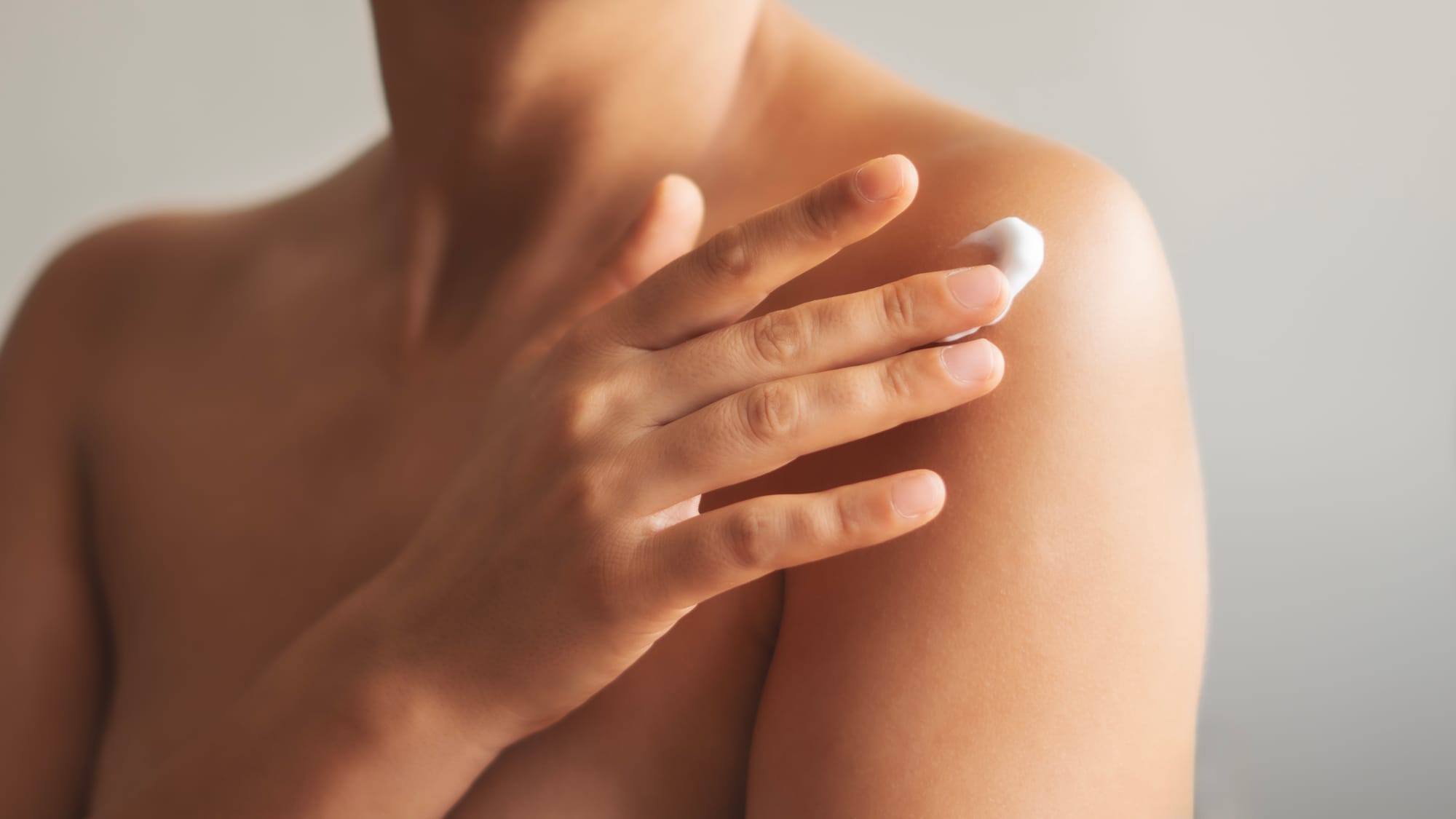
A beef tallow moisturizer feels different the moment it melts into your skin. Regular lotion often relies on seed oils and silicones that create slip but not lasting nourishment. This comparison walks through texture, ingredient safety, cost, and performance so you can decide which belongs in your routine.
You will learn why the fatty acid profile of this moisturizer mimics healthy sebum, how it behaves under sunscreen, and how to transition without breakouts. By the end, you will know when to reach for tallow and when a lighter lotion makes sense. We will also cover what to expect during the first month, how to travel with solid balms, and how to keep texture smooth in hot climates.
Texture and Barrier Feel
A beef tallow moisturizer melts at body temperature, forming a breathable cushion that seals water in. Regular lotion can leave a slick layer because of silicones and seed oils that sit on top. People with dry or mature skin often prefer the dense yet calm feel of tallow because it mimics skin's own oils. If you are oily, start with a rice-grain amount to see how it settles overnight. Note whether tightness or flaking improve; that feedback tells you which texture supports your barrier. Under sunscreen, the satin finish helps mineral formulas spread evenly without pilling. If you notice shine, blot once with tissue instead of using powder so the barrier stays intact.
Ingredient Safety and Stability
Tallow Beef moisturizer formulas are usually short and skip perfumes, reducing irritation risk. The fat is stable, so it resists oxidation that can happen with many seed oils in lotion. Regular lotion may hide synthetic fragrance blends that trigger redness for sensitive users. Check labels: if the deck lists dozens of emulsifiers and parfum, your odds of reaction rise. With tallow, fewer additives mean fewer variables to troubleshoot. Keep an eye on batch dates and finish jars within six months of opening for best freshness. If the scent turns sour or the color shifts, replace the jar rather than risk irritation.
Performance for Dry and Sensitive Skin
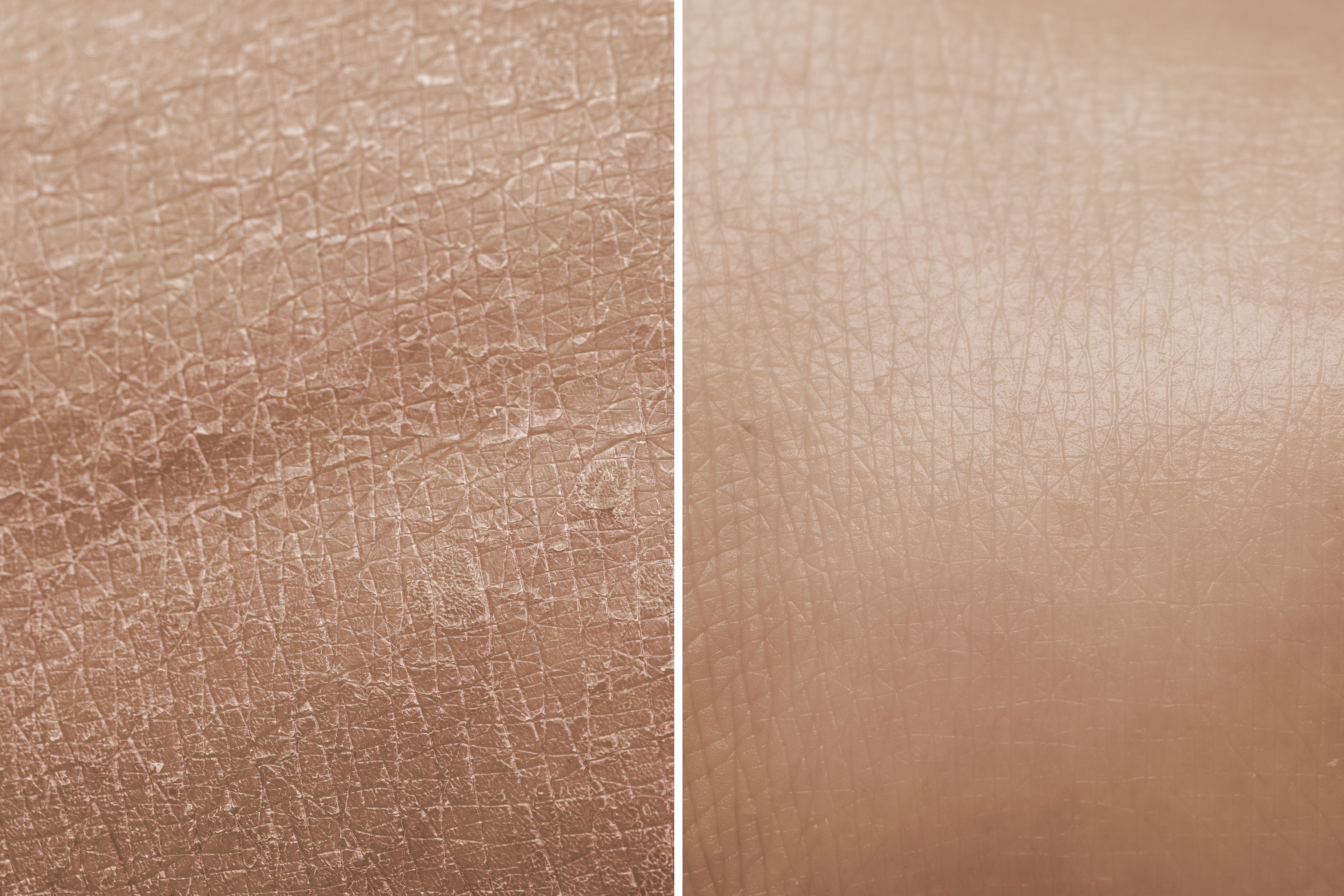
Dry, wind-chapped, or retinoid-stressed skin often responds quickly to a beef tallow moisturizer. Palmitic and stearic acids reduce transepidermal water loss while vitamins A, D, E, and K support repair. Regular lotion can help in humid weather but may fall short in cold, dry seasons. If you experience stinging with lotions, the simpler tallow formula may solve it. Always patch test on the jawline for three nights before full application. Combination skin can use tallow tactically: a thin layer on cheeks and around the mouth, with lotion on the T-zone. This split approach keeps oil-prone areas light while feeding dry areas what they need.
Cost, Longevity, and Storage
A jar of beef tallow moisturizer often lasts longer than a pump bottle of lotion because you need less per use. Store it in a cool drawer and use a clean spatula to keep microbes out. Heat can soften the texture but it solidifies again at room temperature without losing potency. Because formulas are dense, they travel well and do not leak in bags. This longevity offsets the higher upfront cost compared to many regular lotions. If you live in a very warm climate, keep a backup jar in the fridge and rotate it in when the bathroom jar feels loose. Label opening dates on the bottom so you know when to replace each one.
How to Transition from Lotion to Beef Tallow Moisturizer
Swap your evening cream first so you can watch how skin reacts. Cleanse, mist, apply serums if you use them, then press in a pea-sized beef tallow moisturizer. In the morning, keep sunscreen consistent so you can isolate changes. If you notice congestion, use less product or apply only to dry areas. Within two weeks, most people see whether their barrier prefers tallow or lotion. Stick to one change at a time to keep the test clear. Set calendar reminders to note progress at week one and week four; the ritual keeps you honest about results. If you need a daytime option, test a half-pea under sunscreen to judge feel during work hours.
How Beef Tallow Moisturizer Supports the Barrier Over Time
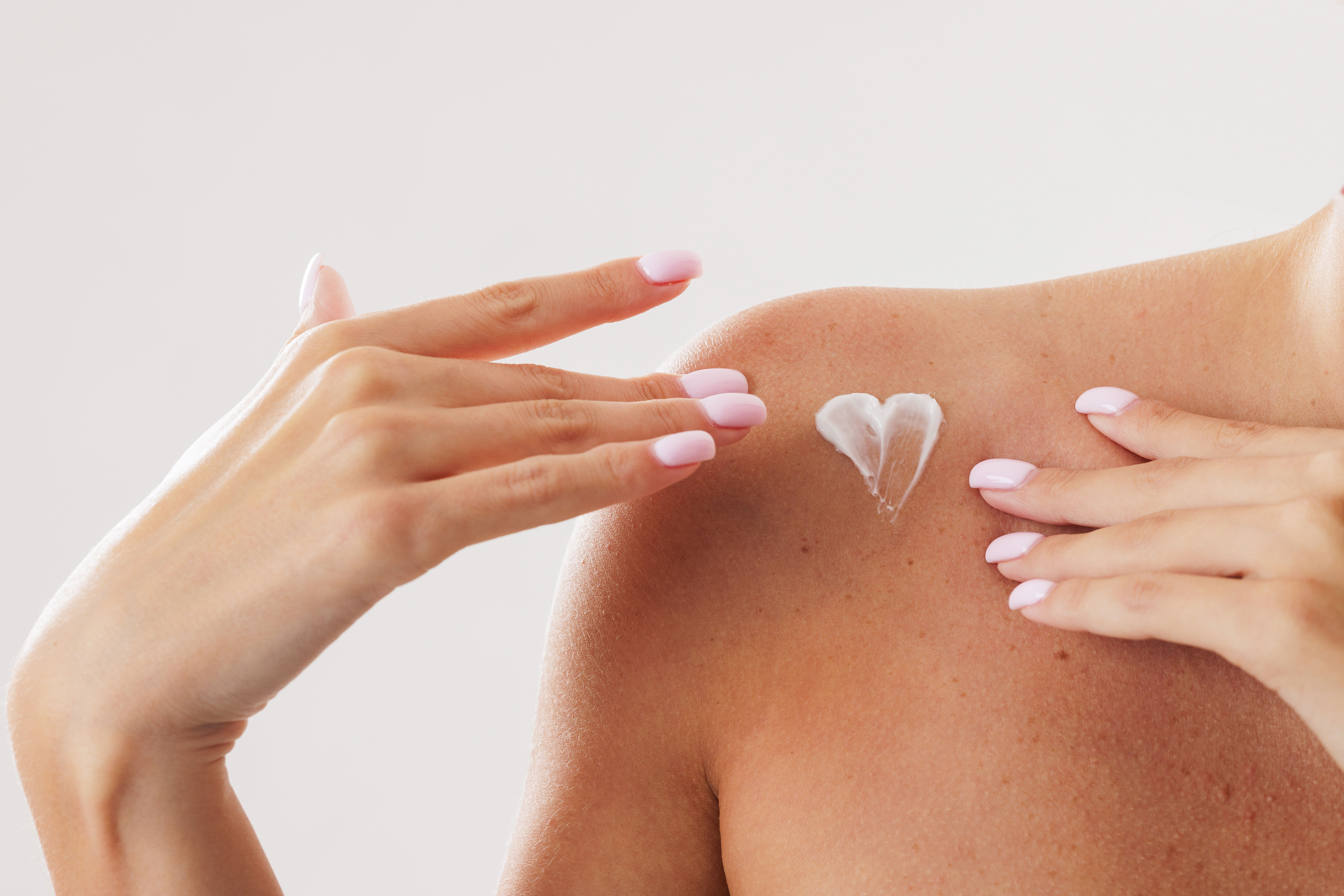
Consistent use matters as much as the formula. Because a beef tallow moisturizer mimics skin lipids, it reinforces the barrier with every application. Over weeks, this reduces water loss, lowers redness, and makes skin less reactive to weather swings. You may find you need fewer serums because the base moisturizer finally does the heavy lifting. If you track with weekly photos, you will notice smoother texture and fewer flaky zones. This compounding effect is what makes tallow valuable compared to lotion that washes away quickly. Keep other variables steady while you test so you can credit improvements accurately. The more predictable your routine, the easier it is to spot when a product deserves a permanent place on your shelf.
Pairing Beef Tallow Moisturizer with Active Ingredients
Retinoids, vitamin C, and exfoliating acids can all work with this tallow moisturizer if you pace them. Apply water-based actives first, wait a minute, then seal with the moisturizer to buffer potential sting. On nights with strong acids, keep the rest of the routine simple: cleanser, active, then tallow. If peeling appears, reduce active frequency rather than adding more products. This method lets the active reach the skin while the beef tallow moisturizer supports recovery. Always patch test a new active on your arm with a dab of tallow on top to preview how your face might respond.Conclusion:
Choose the Moisturizer That Serves Your Barrier
A beef tallow moisturizer brings stable fats, vitamins, and a skin-like feel that many lotions cannot match. Regular lotion still has a place for quick daytime slip or very humid climates. Test both, watch your skin for two weeks, and keep the winner as your daily anchor. The best choice is the one that leaves you hydrated, calm, and confident in your simple routine.
FAQ
Does a beef tallow moisturizer clog pores?
Most users find it non-comedogenic because it mirrors sebum. Apply to damp skin and avoid layering with heavy seed oils. If you are acne-prone, start every other night and monitor for congestion.
Can I wear makeup over a beef tallow moisturizer?
Yes. Press a thin layer into damp skin, let it set for a minute, then apply sunscreen and makeup. It often creates a smoother base than lotion because the finish is satin rather than slippery.
Is lotion ever better than tallow?
Lightweight lotion can feel nicer in very hot, humid climates or for midday touch-ups. You can keep both and choose based on weather and activity. At night, many still prefer the longer-lasting seal of beef tallow moisturizer.
Can I use beef tallow moisturizer on my body?
Yes. Apply a larger amount to damp skin after showering, focusing on elbows, shins, and hands. Because the formula is dense, you may need less than you expect. Give it a minute to absorb before dressing to avoid transfer onto clothing.