Why Tallow Face Cream Is Ideal for Dry & Sensitive Skin
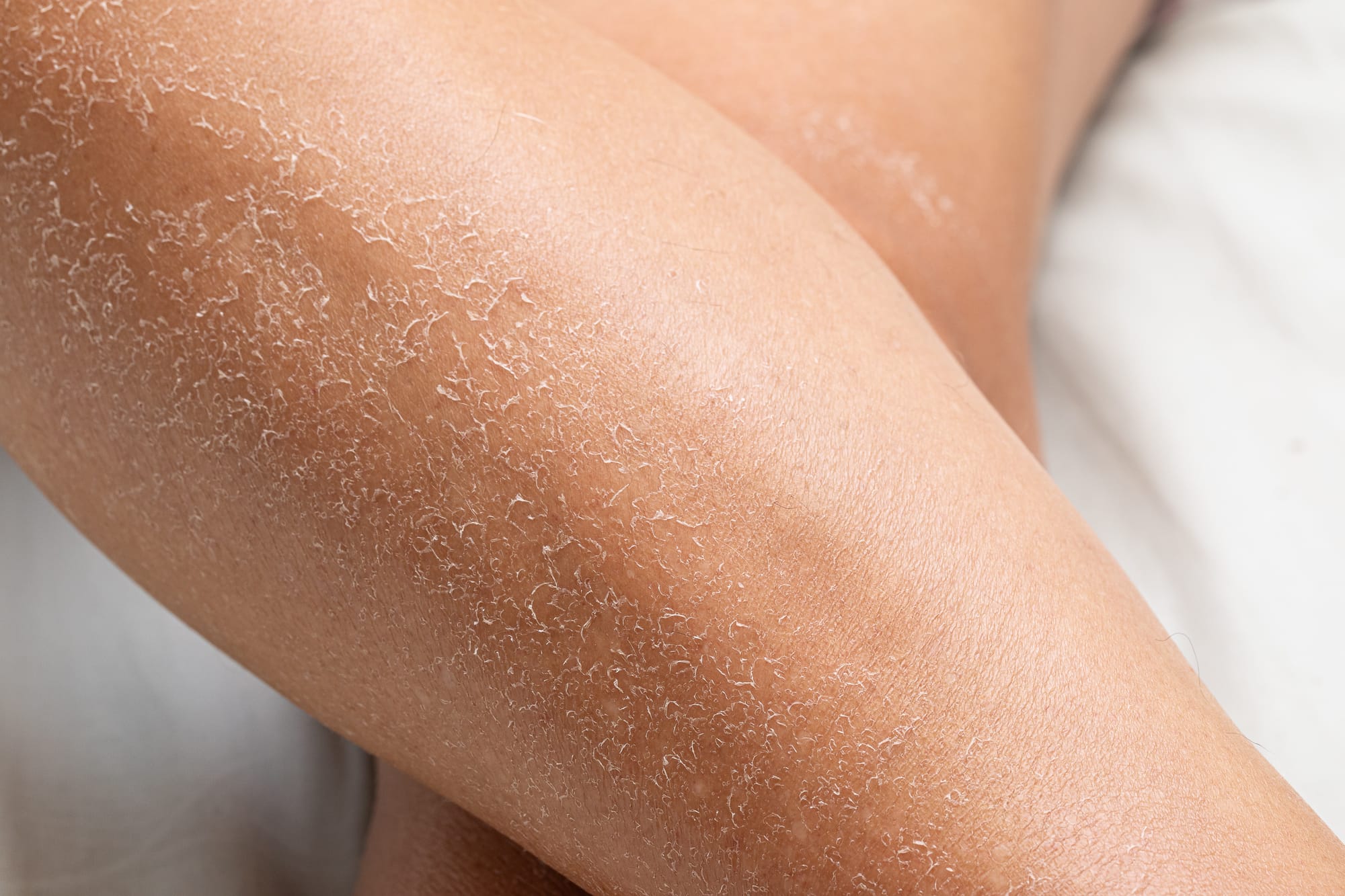
Finding a tallow face cream that keeps dry, sensitive skin calm can feel hard when jars are filled with perfume and unstable seed oils. A real tallow face cream uses grass fed beef tallow and botanical allies to hydrate without sting or shine. This guide explains how the fatty acid profile mimics your own sebum, why a beef tallow moisturizer seals moisture better than regular lotion, and how to layer it morning and night. You will also learn patch-test steps, storage tips, and ingredient red flags so every application supports your skin repair cream goals instead of guessing. If you are balancing eczema, rosacea, or seasonal dryness, the following sections break down how to make this natural skincare switch with confidence. We will also outline how to adjust amounts for humid summers and dry winters so the same jar serves you all year.
Why a Tallow Face Cream Beats Conventional Moisturizers
Conventional moisturizers often rely on seed oils, silicones, and perfumes that sit on skin instead of blending with it. A tallow face cream mirrors human sebum, so it behaves like a friendly lipid rather than a heavy film. This closeness helps a beef tallow moisturizer lock in hydration for hours while letting skin breathe. Makeup glides on smoother, and post-cleanse tightness fades because the barrier gets the fats it recognizes. You also avoid the surprise redness that can come from long ingredient lists and hidden fragrance. Using a tallow face cream means fewer variables and a simpler skincare routine you can repeat twice a day. Keep a small journal to note how quickly dry patches soften and how much product you actually need; most people succeed with a pea-sized amount.
Nutrients in Grass Fed Beef Tallow That Calm Sensitive Skin
Grass fed beef tallow carries vitamins A, D, E, and K in a form your skin can use. These nutrients support elasticity and barrier recovery, which is why a tallow face cream works well as a skin repair cream. Palmitic and stearic acids mimic your skin's own lipids, reducing transepidermal water loss without clogging pores. Because the fat is stable, it resists oxidation that can trigger irritation. If you layer it over aloe or a hydrating serum, the occlusive effect prevents that water from escaping. Sensitive users often notice less flushing after sun or wind exposure once they swap to a grass fed base. The short ingredient list also makes it easier to troubleshoot any reaction and adjust supporting products without confusion.

How to Apply Tallow Face Cream in a Daily Skincare Routine
Apply your tallow face cream on slightly damp skin so it traps moisture effectively. In the morning, cleanse gently, mist, and press a pea-sized amount into the face and neck before sunscreen. At night, repeat after cleansing and any water-based serums, using a rice-grain more on the driest spots. If you use actives, separate them from the cream on alternating nights until you know your tolerance. This sequencing keeps the skincare routine calm for sensitive skin while you evaluate results. When traveling, decant a small portion into a clean jar to avoid contaminating the main container, and keep it away from direct heat so the texture stays smooth.
Supporting Skin Repair for Eczema and Dry Patches
Eczema and localized dryness respond well when a tallow face cream is paired with gentle cleansing and consistent moisture. Patch test on the jawline for three nights, then move to wider areas if no reaction appears. Use the cream as a spot treatment over cleanser and mist, adding a thin layer of occlusive balm only if needed. Because the formula is close to skin's own oils, it can calm itching without feeling suffocating. Track flare-ups to see whether weather, stress, or harsh surfactants are undermining progress, and simplify other products during a flare. If you have dermatologist guidance, share the ingredient list so they can align prescriptions with your new routine.
Choosing Safe Ingredients and Avoiding Irritants
Choose a tallow face cream that lists grass fed beef tallow early and keeps fragrances minimal. Skip products that add unstable seed oils back in, since they can oxidize and undo the barrier benefits. Look for clear sourcing, batch dates, and simple preservatives that keep the jar safe without heavy chemicals. If you want a scent, opt for a low-percentage essential oil and test first. Store the jar in a cool drawer, use a clean spatula, and close the lid tightly to prevent contamination. These small steps protect the purity of your natural skincare investment and help the cream perform consistently.
Seasonal Adjustments and Layering with Makeup
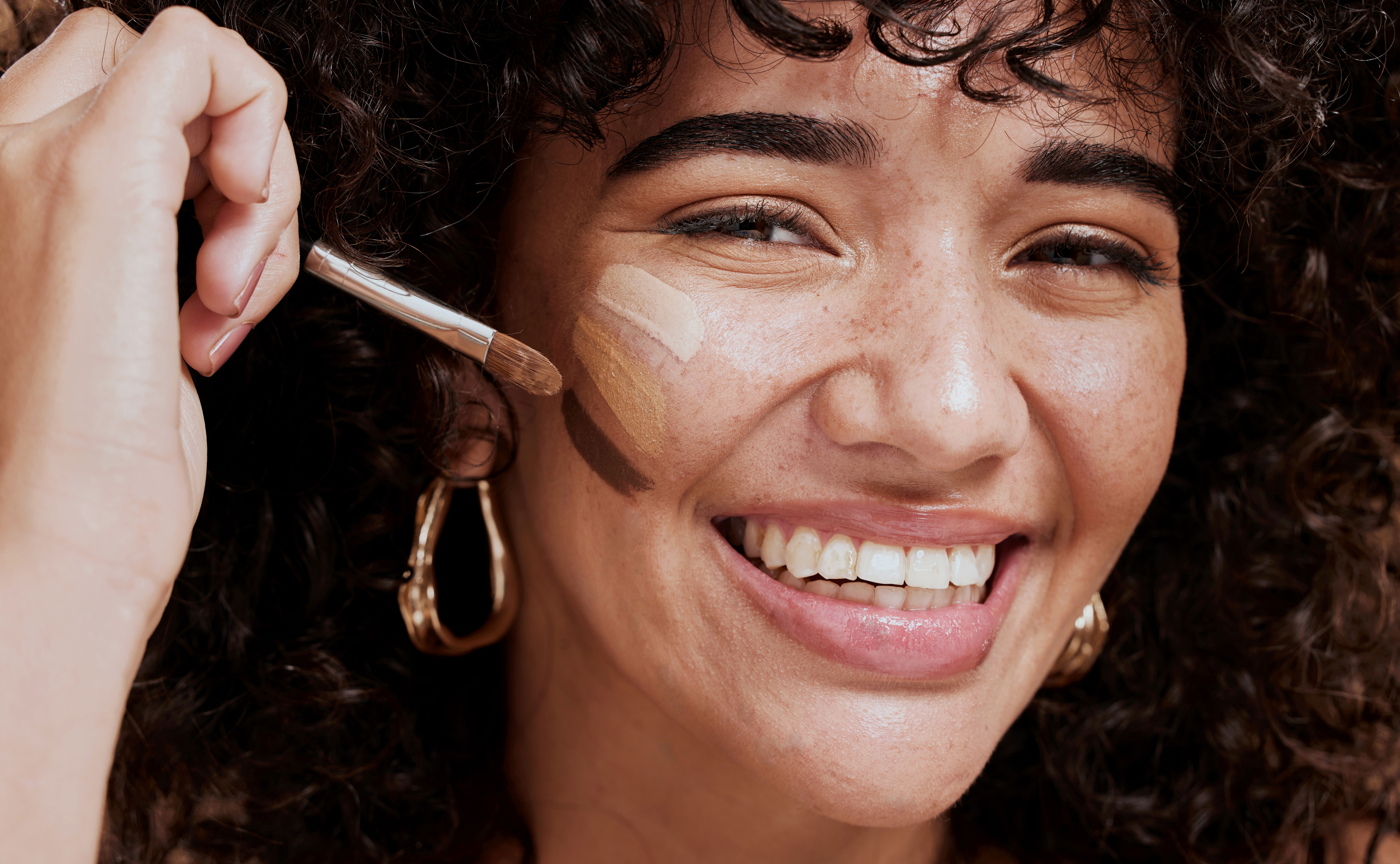
Hot, humid days call for a lighter layer of tallow face cream. Use a rice-grain amount, melt it between your fingers, and press it onto damp skin so it sinks fast. In winter or in air-conditioned offices, add a second rice-grain to cheeks and around the mouth where skin often cracks. If you wear makeup, let the cream set for one minute, then apply sunscreen and foundation with a damp sponge. This prevents pilling and keeps complexion products from sliding. For evening events, mix a tiny dab of the cream with your liquid foundation to create a nourishing skin tint. Always blot excess shine with a tissue rather than piling on powder; that keeps the barrier happy and the finish natural. Adjusting the dose this way stretches each jar and keeps your tallow moisturizer working across seasons without waste.
Conclusion
A well-made tallow face cream delivers stable fats, vitamins, and soothing comfort to dry, sensitive skin. When you apply it on damp skin, keep the routine simple, and choose transparent sourcing, you get reliable moisture without mystery ingredients. Start with one jar from Aussie Tallow this week, take before-and-after photos, and note how your skin behaves through weather shifts. If results stay steady for a month, stick with the rhythm and share it with anyone who needs a calmer routine. Your barrier thrives on consistency; let this beef tallow moisturizer anchor that habit.
FAQ
Will a tallow face cream feel greasy?
When applied to damp skin in small amounts, a tallow face cream should sink in quickly. If it feels heavy, use less, warm it between your palms, and press it in thin layers. Most users find it leaves a soft, satin finish rather than a slick film.
Can I use tallow face cream with retinol or acids?
Yes, but introduce them slowly. Use actives on alternate nights, then follow with the tallow face cream to buffer potential irritation. If redness appears, pause the active for a few days and keep only cleanser, moisturizer, and sunscreen until calm returns.
Is tallow face cream safe for acne-prone skin?
The fatty acid profile is similar to skin's own oils, so many acne-prone users tolerate it well. Patch test first, avoid layering with heavy seed oils, and keep pillows and hands clean to reduce other clogging factors. If breakouts worsen, reduce frequency to evenings or switch to a lighter tallow balm.