Grass-Fed Beef Tallow: Why It’s the Cleanest Fat for Healthy Skin
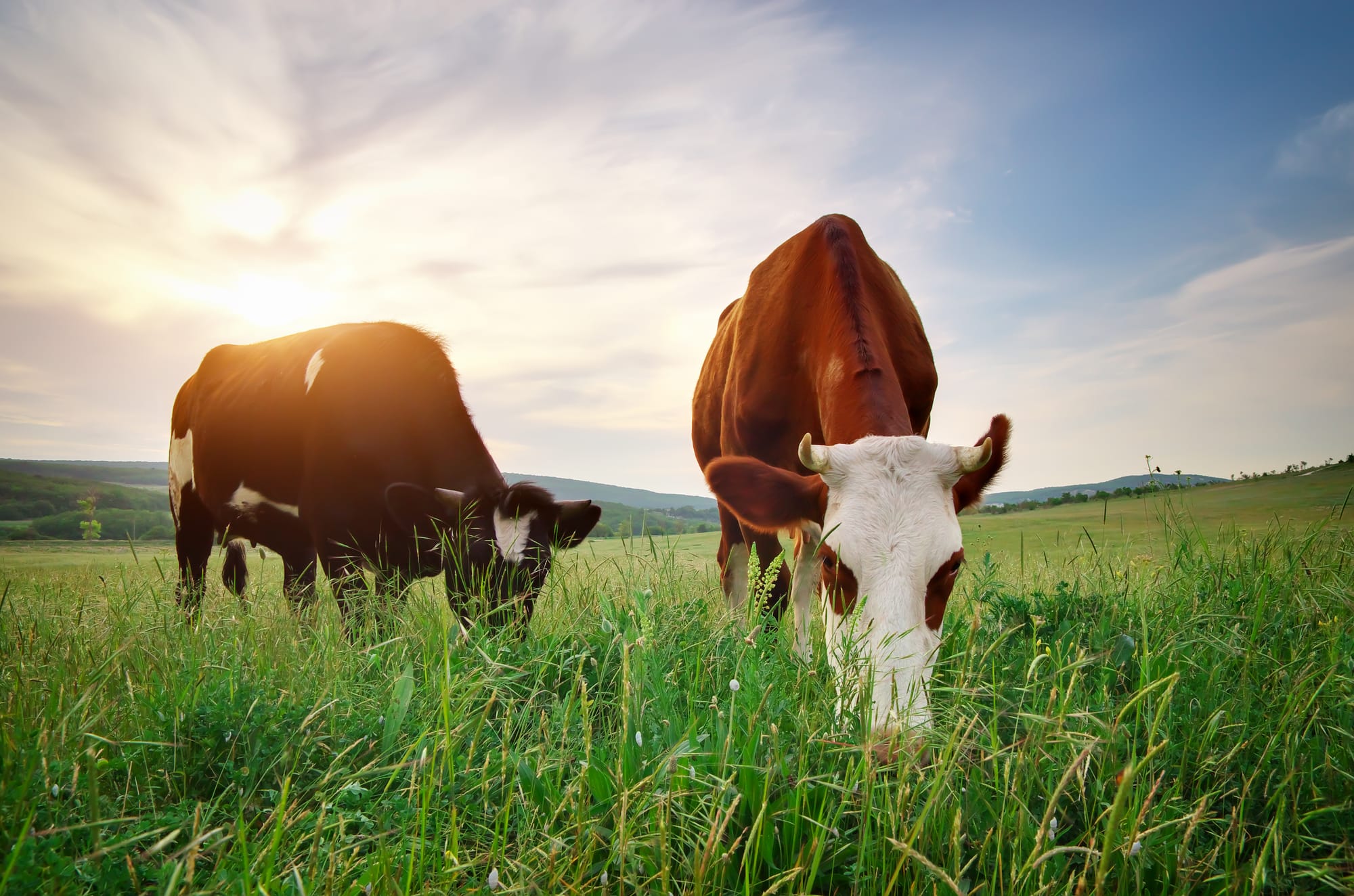
Rendered fat from pasture-raised cattle has moved from old-fashioned kitchens to modern skincare shelves because its fatty acid profile resembles our own skin. When rendered cleanly, grass fed beef tallow becomes a rich yet breathable moisturizer for face and body. This article breaks down why it matters, how to use it in balms and soap, and who benefits most from its nutrient density. You'll also learn how it compares with plant oils, how to spot high-quality sourcing, and where it fits in a minimalist routine. Whether you're curious about tallow balm, shampoo bars, or simple soap making, consider this your guide to using the ingredient confidently.
Why grass fed beef tallow benefits skin
This pasture tallow carries a mix of stearic, palmitic, and oleic acids that mimic the skin's natural lipids, so it cushions cracks without clogging pores. Because the cattle graze on pasture, the fat typically holds more fat-soluble vitamins like A, D, E, and K2 than grain-fed sources. Those nutrients contribute to barrier resilience and support a smoother feel. Unlike many plant oils, tallow includes cholesterol, which improves flexibility and water retention. When applied after a hydrating layer, it seals moisture much like an elegant wax topcoat without the waxy residue. People with easily irritated skin often like this simplicity: no complicated emulsifiers, just a familiar texture that melts at body temperature. That is why this pasture tallow shows up in tallow balm, face cream, and even tallow shampoo bar formulas meant to limit fragrance and silicones. If you value sustainable skincare, sourcing from regenerative farms can make the ingredient part of a circular, low-waste routine. Patch test first so you can enjoy the benefits without surprises.
How to use pasture tallow on face and body
For daily moisture, apply grass fed beef tallow after a water-based serum so it can lock hydration in place. Warm a pea-size amount between your hands until it softens, then press it onto damp skin instead of rubbing. On the face, focus on cheeks and around the nose where wind or heaters cause dryness; use less on the T-zone if you are prone to congestion. For the body, treat elbows, knees, and hands after washing, then slip on light cotton gloves or socks to hold in the balm overnight. If you use actives like retinoids, let them absorb fully before sealing with tallow balm to avoid diluting them. Those who prefer lighter finishes can blend a drop of squalane into the tallow face cream in warm months. Keep applications to two or three times a day-more can feel greasy and is rarely necessary once your barrier stabilizes. For hair, a tiny swipe of tallow conditioner bar can smooth frizz on ends without silicones.
Tallow vs plant oils
People often compare grass fed beef tallow with popular plant oils like jojoba, argan, or rosehip. Plant oils are rich in linoleic acid and antioxidants, which can brighten skin, but some users find them too light to stop winter dryness. Tallow brings more saturated fats and cholesterol, which excel at sealing moisture and matching the skin's natural makeup. That does not mean you must pick one side. You can layer a thin plant oil under tallow for extra slip, or rotate them seasonally-oils in humid months, tallow balm in cold spells. If you prioritize vegan formulas, oat and shea balms can mimic the cushion of tallow, though they may lack the exact texture or staying power on knuckles and heels. Test combinations on small areas to see which balance feels best for you. The winning routine is the one you can sustain, not the one that promises the most ingredients. Fans of organic skincare can choose certified oils and pair them with pasture-raised tallow to keep values intact.
Buying and storing quality tallow products
Quality starts at the source. Look for products that name the farm or region and describe their rendering method-low and slow heat better preserves nutrients. Short ingredient lists are ideal: pasture-raised tallow, perhaps a little olive or jojoba oil, and vitamin E as an antioxidant. Skip added fragrance if you have reactive skin. Packaging can guide your choice too. Tins are great for travel and refill programs, while dark glass jars protect balms from light. Keep containers in a cool cupboard; high heat can alter texture, and refrigeration can make balms too firm. Use clean spatulas or pumps to avoid contamination, especially if you plan to use the balm on both face and hands. Label the date you opened the jar and aim to finish within six months for the freshest glide and scent. Choosing brands with recycled materials or carbon-neutral shipping keeps your routine aligned with sustainable skincare goals. Small-batch makers often list render dates so you know exactly how fresh your jar is.
Where pasture tallow fits in your routine
Think of this pasture tallow as the sealing step in your routine rather than the only moisturizer you'll ever need. In the morning, you might prefer a lighter lotion under sunscreen and reserve it for spot treating flaky areas. At night, use a hydrating serum, then press in a small amount of tallow face cream as an occlusive. On body days, pair it with a natural soap Australia style cleanser to avoid stripping oils, then layer balm where towels rub. If you enjoy occasional actives like gentle acids, schedule them on nights when you use less tallow so they can penetrate well. For minimalist routines, tallow balm plus sunscreen may be enough, while more complex regimens can still benefit from its final, sealing layer. Consider tallow for skin care emergencies too-it can soften rough cuticles, soothe windburn, and help lips recover after long flights. Treat it like a skin moisturizer for sensitive skin and adjust the amount with the seasons so you never feel greasy.
Conclusion
Grass fed beef tallow is an old ingredient that solves modern skincare problems: it seals moisture, respects sensitive skin, and keeps routines simple. When you pair it with hydrating layers and a gentle cleanser, you get cushion without the heavy film that turns people away from thicker balms. Start with a small tin, track how your skin responds over two weeks, and adjust the amount seasonally. If you like the results, keep the balm in your travel kit and nightly routine as your dependable closer, and share progress with your dermatologist.
FAQ
How long does the balm last once opened?
Most balms made with grass fed beef tallow last about six to nine months unopened and three to six months after opening. Keep the jar in a cool, dark place and use a clean spatula to avoid contamination. If it smells sour or looks discolored, recycle it and open a fresh jar.
Will this tallow clog pores?
Yes, you can use this tallow even if you have combination skin; just apply less on oily areas. Patch test first and limit use to twice daily. If small bumps appear, scale back to nighttime only or layer it over a water-based serum so less product sits directly on the skin.
Can I use it for soap making?
For soap making, substitute grass fed beef tallow in recipes that call for hard fats to create a long-lasting bar with creamy lather. Pair it with coconut oil for cleansing power and olive oil for conditioning. Always run your recipe through a lye calculator to keep the proportions balanced and safe.