Tallow for Soap: Why It Makes the Best Base for Healthy Skin
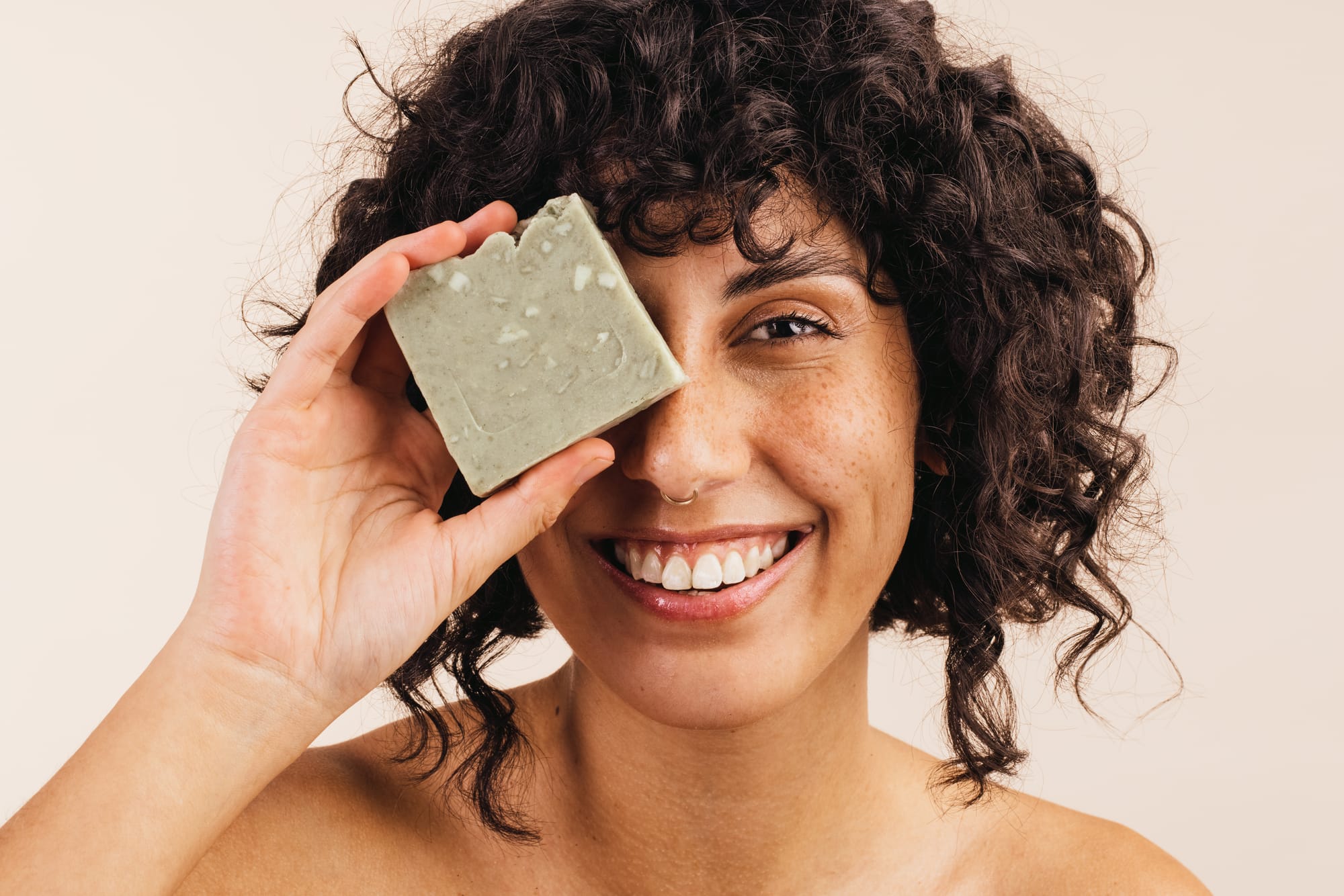
Tallow for soap has been used for generations because it produces a creamy lather that cleans without stripping. Modern bars made with grass fed beef tallow revive that tradition, offering a stable fat profile that resists oxidation and respects the skin barrier. If your current cleanser leaves you tight or squeaky, switching to a tallow soap bar can deliver a smoother rinse and fewer flakes. Because the fat stays stable, it suits sensitive and combination skin with fewer surprises. By focusing on simple ingredients and careful curing, you can get a bar that works for face, hands, and body alike.
This guide explains why tallow is a standout soap base, what to look for in natural soap Australia makers, and how to read ingredient lists. You will also learn basic soap making recipes to try at home, where to slot a tallow bar into your skincare routine, and how sustainable packaging makes the switch even better.
Why tallow for soap creates a skin-friendly base
Tallow for soap delivers a fatty acid profile similar to your skin's own lipids, producing a dense lather that lifts dirt without scraping away too much oil. Because the fat is solid at room temperature, it cures into a bar that lasts longer in the shower and resists becoming mushy. Compared with seed-oil bars, tallow soap stays stable, so it is less likely to oxidize or smell rancid in a warm bathroom.
The gentle cleansing makes it a smart option for people who struggle with tightness after washing. When you use a bar based on grass fed beef tallow, you also get vitamins A, D, E, and K in trace amounts, adding a soft conditioning effect. Typical pH for a well-cured bar sits around 8 to 9, which lifts residue while still rinsing clean with water. This keeps the skin barrier calmer so the products you apply afterward, such as tallow skin cream or sunscreen, sit better and work longer.
Benefits of grass-fed sourcing and minimal additives
Grass fed sourcing matters because cows fed on pasture produce fat with more stable, skin-friendly lipids. Natural soap Australia makers often publish farm origins and batch dates, which help you gauge freshness. Fewer additives also mean fewer chances for fragrance-related irritation or harsh preservatives.
Look for bars poured into recyclable paper wraps or tins if you value sustainable skincare. Handmade natural skincare brands sometimes add mineral clays or oatmeal for slip; these are gentle choices that do not compete with tallow's conditioning power. Skip products with long lists of colorants, and favor those with short, recognizable oils like natural castor oil, olive oil, and coconut oil for balanced lather. Unscented bars are helpful for kids or anyone with fragrance sensitivities; you can always add scent with a separate mist if desired.
How to make tallow soap at home
If you enjoy DIY, a simple set of soap making recipes can give you full control over the bar. Start with rendered, filtered grass fed beef tallow, a basic lye solution, and supportive oils such as olive and natural castor oil for bubbles. Use a trusted calculator to balance the fatty acid profile and target a gentle superfat level.
Pour the batter into silicone molds, insulate for 24 hours, then unmold and cure for four to six weeks so excess water evaporates. Avoid heavy fragrance oils during your first batches; essential oils like lavender or chamomile at low percentages are safer for sensitive skin. Measure with a digital scale, add lye to water (never the reverse), and stir in a ventilated area to keep the process safe. Always follow safety steps - gloves, goggles, and good ventilation - and label each batch with dates so you know when it is ready.
Using tallow soap in face and body routines
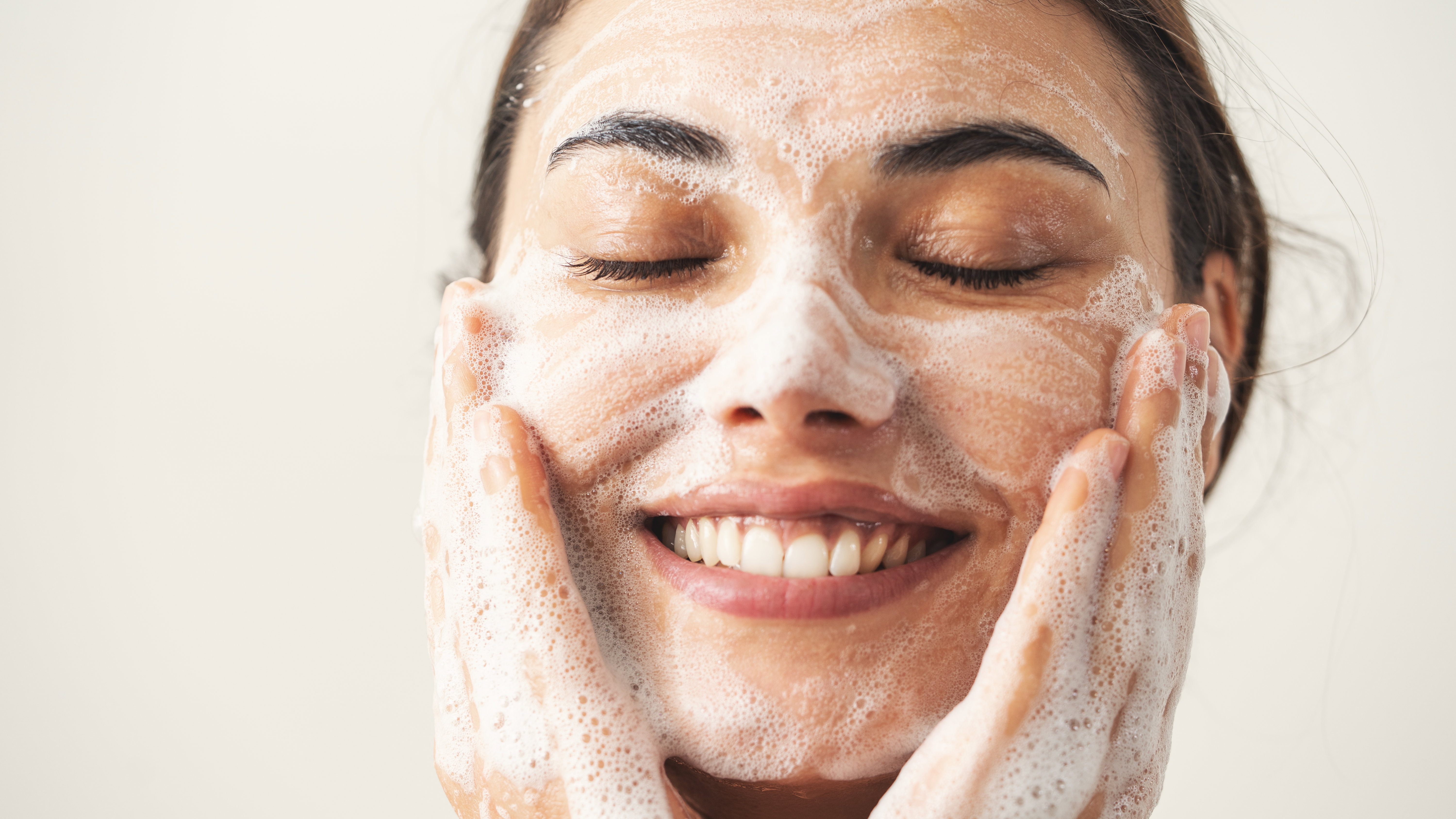
Swap your existing cleanser for a tallow soap bar for two weeks and track how your skin feels. Wet the bar, build lather in wet hands, and apply the foam rather than rubbing the bar directly on the face.
Rinse with lukewarm water, pat dry, and follow with moisturizer to seal in hydration afterward.For hands, keep a bar at the sink on a draining dish to prevent sogginess and extend its life. On the body, use a soft cloth or your palms to spread the lather, then follow with a balm or lotion if needed. People with very dry skin can rotate between tallow soap and a non-soap cleanser every few days to balance cleansing and conditioning. Men and women can also use the bar as a shave soap; build lather in a bowl for extra cushion. If you travel, slice a small piece off the bar and keep it in a tin so you do not have to pack the whole bar.
Sustainability and packaging for tallow soap bars
Choosing tallow for soap can reduce plastic waste because bars ship easily in paper wraps or tins. Look for brands that use recycled paper, soy-based inks, or refill programs to keep packaging minimal. If you make bars at home, set up a drying rack that allows airflow so the bars last longer and require less frequent replacement.
Many handmade natural skincare makers also offer sampler sizes, which help you test scents and additives before committing. Pairing your bar with a cedar soap dish or a sisal saver bag extends longevity and keeps shower clutter low. These small choices turn your cleansing habit into a sustainable skincare ritual you can feel good about. Save end-of-bar slivers in a mesh bag and use them together so nothing goes to waste.
Conclusion: Make tallow for soap your daily standard
Tallow for soap offers creamy lather, lasting bars, and a skin-friendly profile that keeps cleansing simple. By choosing grass fed sources, short ingredient lists, and responsible packaging, you get a product that respects both your skin and the planet.
Start with one high-quality bar from Aussie Tallow, test it for two weeks, and note how your skin feels between washes. If you like to DIY, try a small batch at home and tweak the recipe until it fits your routine. Check in after a month; if you craft bars yourself, adjusting cure time or superfat can fine-tune the feel for your climate.
FAQ
Does tallow soap leave a residue on skin?
Properly cured tallow soap should rinse cleanly. If you feel film, check that the bar fully cured for four to six weeks and that you are rinsing with enough water before drying.
Can I use tallow soap on my face every day?
Yes, many people use a mild tallow soap daily. If your skin is very dry, alternate with a non-soap cleanser or follow with a moisturizer to keep the barrier supple.
Is homemade tallow soap safe for sensitive skin?
It can be, as long as you keep recipes simple, avoid heavy fragrance, and let bars cure fully. Patch test on the inner arm for a few days before using the bar on your face.