Natural Relief: How Tallow Helps Calm Eczema-Prone Skin

People dealing with eczema often chase moisture yet worry about hidden irritants. Tallow for eczema offers a simple, nutrient-dense option made from rendered, grass-fed beef fat. Its blend of fatty acids resembles human sebum, so it seals cracks without a heavy film. In this guide you'll see why it soothes angry patches, how to use a tallow balm or tallow face cream safely, and the routine steps that keep flare-ups shorter.
You'll also learn when a skin moisturizer for sensitive skin needs dermatologist oversight and how to choose ethical, organic skincare to match your values. By the end, you'll know where tallow fits alongside medicated care and when to pause and seek advice.
Why tallow for eczema helps rebuild the barrier
Inflamed eczema skin loses the lipids that hold cells together, which is why gentle occlusion matters. Using tallow for eczema replaces some of those missing fatty acids with a profile close to human sebum. Grass fed beef tallow naturally contains palmitic, stearic, and oleic acids that cushion rough patches without clogging pores, plus vitamins A, D, E, and K that support renewal. Because the texture melts at body temperature, it spreads thinly and lets the skin breathe while it seals in hydration from water-based layers. That matters when steroid creams must be reserved for short bursts and you need a daily tallow skincare step that does not sting.
With fewer additives than many drugstore balms, a plain tallow balm gives you control over what touches cracked skin, lowering the risk of fragrance or alcohol flare-ups. Compared with petroleum jelly, you also get skin-friendly cholesterol that improves flexibility, so sticking with a tallow balm can feel soothing instead of greasy. For many people, that simplicity makes it easier to stay consistent through dry seasons.
How to use a tallow balm safely
Start with a patch test on the inner arm for 24 hours before applying tallow for eczema to larger areas. On clean, slightly damp skin, use a water-based hydrator or mist first, then smooth a pea-size tallow balm or beef tallow moisturizer over each dry patch. Warming it between fingers helps it glide without tugging. For hands, follow washing with a thin layer and cotton gloves overnight.
For faces, keep it to the cheeks or chin where barrier damage shows and avoid the eye contour. If you need prescription creams, apply those first, wait ten minutes, then seal with tallow face cream so the actives still reach the skin. Limit exfoliants while flaring, and space retinoids or acids on alternate nights if your dermatologist approves. Reapply after swimming or sweating, but keep total daily applications to two or three so pores stay clear. Track any changes in redness or itching in a simple log to see whether the balm is calming or if you need professional adjustments.
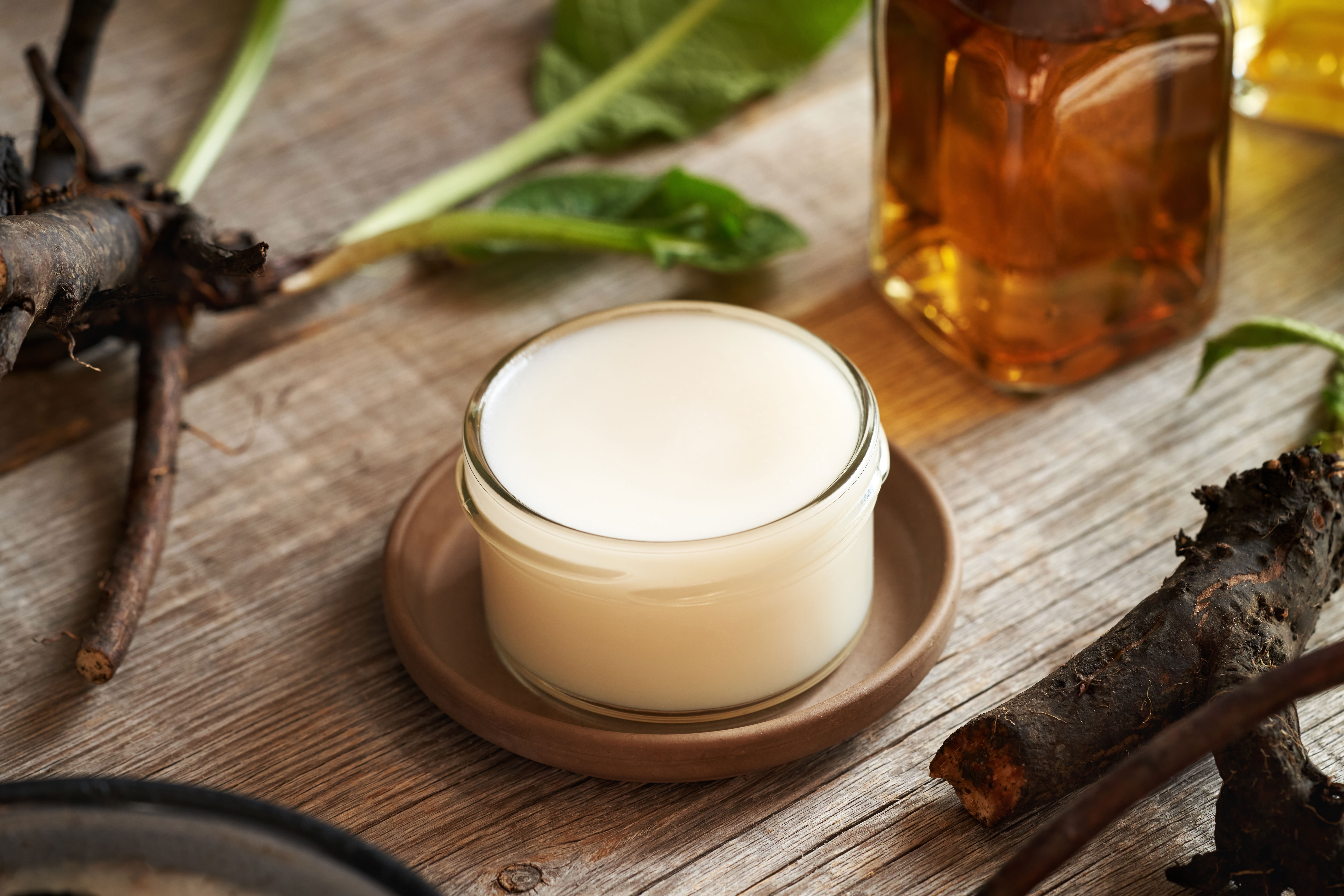
Tallow balm vs conventional creams for eczema-prone skin
Many people switch between rich plant oils and pharmacy creams trying to find a skin moisturizer for sensitive skin that will not trigger a flare. Tallow balm is rendered fat with minimal additives, so you avoid emulsifiers or fragrances that can sting broken skin. Conventional creams often rely on mineral oil or silicones to trap water, which is effective but can feel occlusive if you are layering multiple prescriptions.
Using a tallow balm in the evening and a lighter lotion in the morning lets you balance comfort with convenience. When choosing, scan labels for lanolin, parabens, or perfumes if you know they bother you. If you prefer vegan options, test shea or oat balms and rotate based on weather. For hands and elbows that crack, a beef tallow moisturizer can stay in place longer than gel creams, which may wipe off faster. The best choice is the one you will actually reapply, so keep a small tin at your desk and a pump bottle by the sink. If organic skincare sourcing matters to you, look for balms that share farm transparency so you feel confident using them daily.
Building a gentle routine around tallow skincare
A calm skincare routine matters as much as the product itself. Start mornings with lukewarm water or a creamy, fragrance-free cleanser; foaming washes can strip lipids eczema-prone skin needs. Follow with a hydrating serum and seal with the lightest layer of tallow balm where you spot flakes. Sunscreen is still essential- look for mineral formulas with zinc that sit gently on the skin. At night, cleanse and rehydrate, then use a richer swipe of tallow skincare on any hot spots.
Two or three nights a week, apply cooler compresses for five minutes before your balm to lower itching. Avoid multitasking masks during flares, but you can patch-test yellow clay face mask or new serums on clear skin when symptoms settle. Because routines can drift, set reminders so you do not skip the steps that prevent dryness from spiraling. Consistency keeps the barrier stable, and it also lets you judge whether changes come from weather or from your products. If you prefer natural skincare Australia options, stick with unscented, short-ingredient products.
What to look for in grass fed beef tallow products
Not all balms and soaps use the same ingredients, so read labels before you add them to a tallow-focused eczema routine. Choose grass fed beef tallow that lists the animal source and rendering method; low-heat processing preserves more vitamins. Short ingredients- tallow, minimal oils, and perhaps a drop of vitamin E- mean fewer triggers. Avoid fragrances, citrus oils, or menthol if your skin reacts easily.
If you want extra glide, a touch of jojoba or squalane can help without masking the feel. Packaging matters too: tins are travel-friendly, while pumps keep fingers out for better hygiene. For families, look for batch testing or microbial checks, especially if you plan to use the balm on children. Ethical shoppers can check whether the brand uses local farms, recycled containers, and transparent batch dates. Those details seem small, but they make it easier to trust the jar you reach for when a flare hits. If you dabble in natural soap Australia recipes, the same high-quality fat often works in small-batch bars.

Conclusion
Eczema management is a marathon, not a sprint, and the products you reach for every day make the race smoother. Tallow for eczema offers a calm, nutrient-rich option you can apply consistently between doctor visits. When you match it with hydrating steps, mineral sunscreen, and smart patch testing, you reduce the friction of daily care and give your skin room to repair. If you are curious about trying grass fed beef tallow balms, start small, log your results, and share them with your dermatologist. A steady routine and honest feedback are the quickest path to calmer days.
FAQ
How often should I apply tallow for eczema flare-ups?
During a flare, apply the balm after hydrating twice a day- morning and night are plenty for most people. More frequent use can trap sweat and irritants, so spot-treat instead of coating the whole body. If itching spikes, pair it with cool compresses and check in with your clinician before adding medicated creams under or over the balm.
Can tallow balm replace a skin repair cream?
A tallow balm can stand in for a skin repair cream on calm days because it locks in moisture with very few additives. When you are using prescription steroids or calcineurin inhibitors, keep them in the regimen and use beef tallow moisturizer afterward as the occlusive layer. If fissures or infection signs appear, pause the balm and get medical guidance rather than self-treating.
Is grass fed beef tallow safe for kids with eczema?
Grass fed beef tallow is generally safe for kids when sourced cleanly and used on intact skin, but patch test first. Choose unscented formulas and avoid applying under diapers where heat builds. For severe pediatric eczema, keep a pediatrician in the loop so you can balance natural moisturizers with the medicated care they might need.