Tallow for Dermatitis: Gentle Hydration for Inflamed Skin
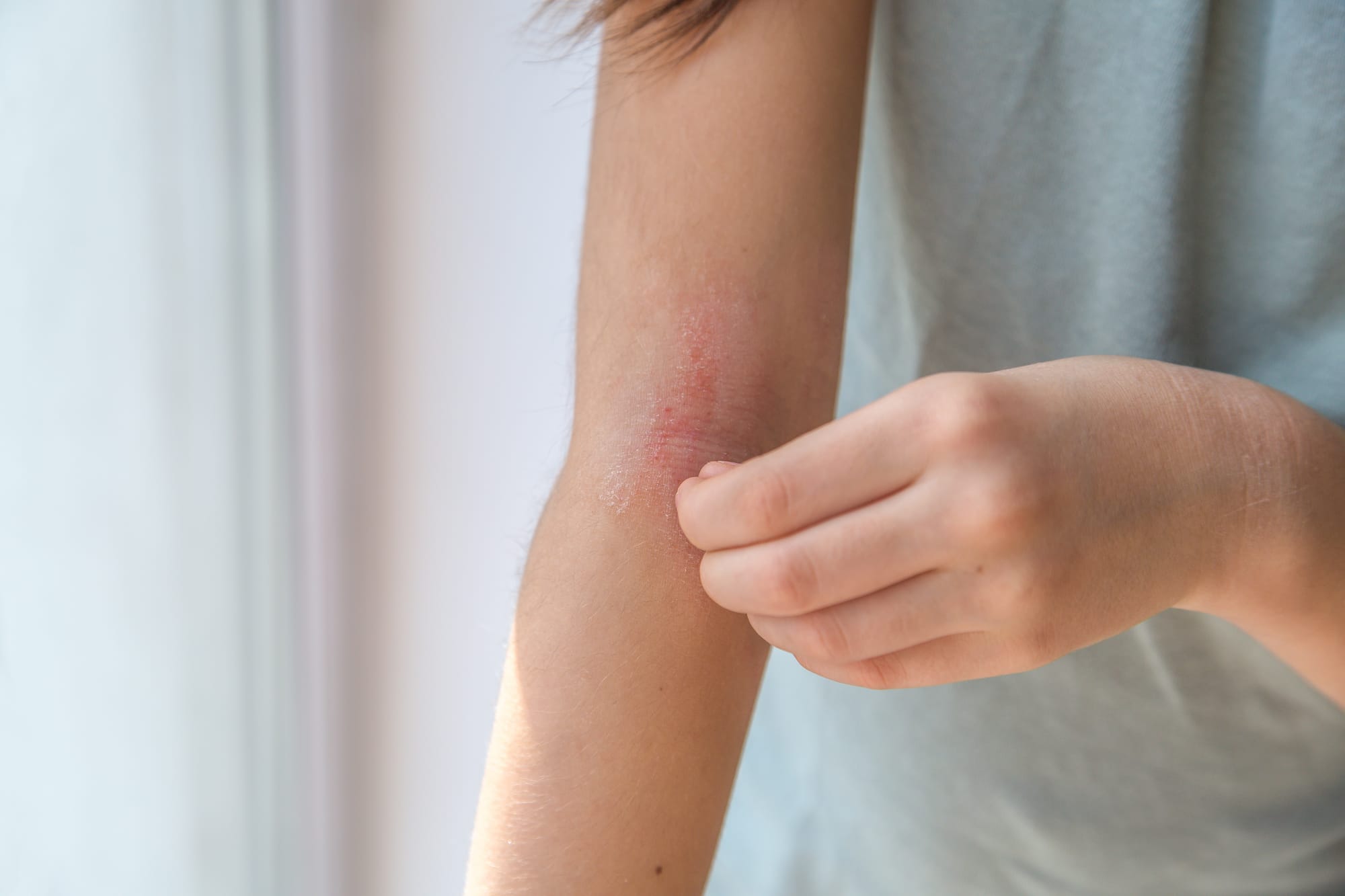
Using tallow for dermatitis offers gentle moisture for skin that feels tight, itchy, or inflamed when synthetic formulas burn. The fat profile in grass fed beef tallow mirrors human sebum, so it coats dry patches without trapping heat or clogging pores. By keeping water in and irritants out, a simple tallow balm can lower the redness that makes dermatitis so frustrating. When you pair a tallow-based moisturizer with fragrance free cleansing and light occlusives, flare-ups become less frequent and recovery happens faster.
This guide explains why animal-based lipids work, how to choose a clean tallow skin cream, and the steps to build a sustainable skincare routine that respects damaged barriers. You will also learn when to seek medical care, how to use tallow alongside prescriptions without product overload, and how to notice early warning signs such as stinging or extra flaking so you can adapt quickly.
Why tallow for dermatitis calms the barrier
Dermatitis leaves the skin barrier short on lipids, so the top layer struggles to hold moisture and block irritants. Using this traditional fat replaces missing fatty acids with a profile that feels familiar to the skin, reducing that tight, shiny feeling after cleansing. Because grass fed beef tallow stays stable at room temperature, it does not oxidize as quickly as seed oils and rarely stings when applied to raw patches. A thin layer of tallow balm can also soften flakes so they lift gently instead of cracking.
The calm, occlusive layer you get from a tallow skin cream lets prescription topicals, like low-dose corticosteroids or calcineurin inhibitors, work on inflamed areas without as much burning. That makes it easier to follow a dermatologist's plan while keeping day-to-day comfort in check. With consistent use, many people notice fewer micro-fissures, less night-time itching, and less visible shine after washing, all signs that the barrier is starting to recover and hold moisture again.
Choosing grass-fed tallow products for sensitive skin
Not every jar labeled tallow is equal, so pick formulas that name grass fed beef tallow first and avoid synthetic fragrance. Look for balms packaged in glass or recyclable tins to align with sustainable skincare values, and confirm that preservatives are minimal. A good balm for dermatitis will feel solid in the tin but melt quickly on contact without leaving a waxy film.
If you need a skin moisturizer for sensitive skin, prioritize blends with simple companions like calendula or chamomile over long ingredient decks. Skip essential oil heavy mixes during active flares, and keep one unscented option in your kit. People who want Australian made skincare can usually find local makers listing batch numbers and farm sources, which is a good sign of accountability and freshness. When a maker publishes pH testing or microbiology checks, that extra transparency adds peace of mind for anyone layering tallow over already stressed skin.
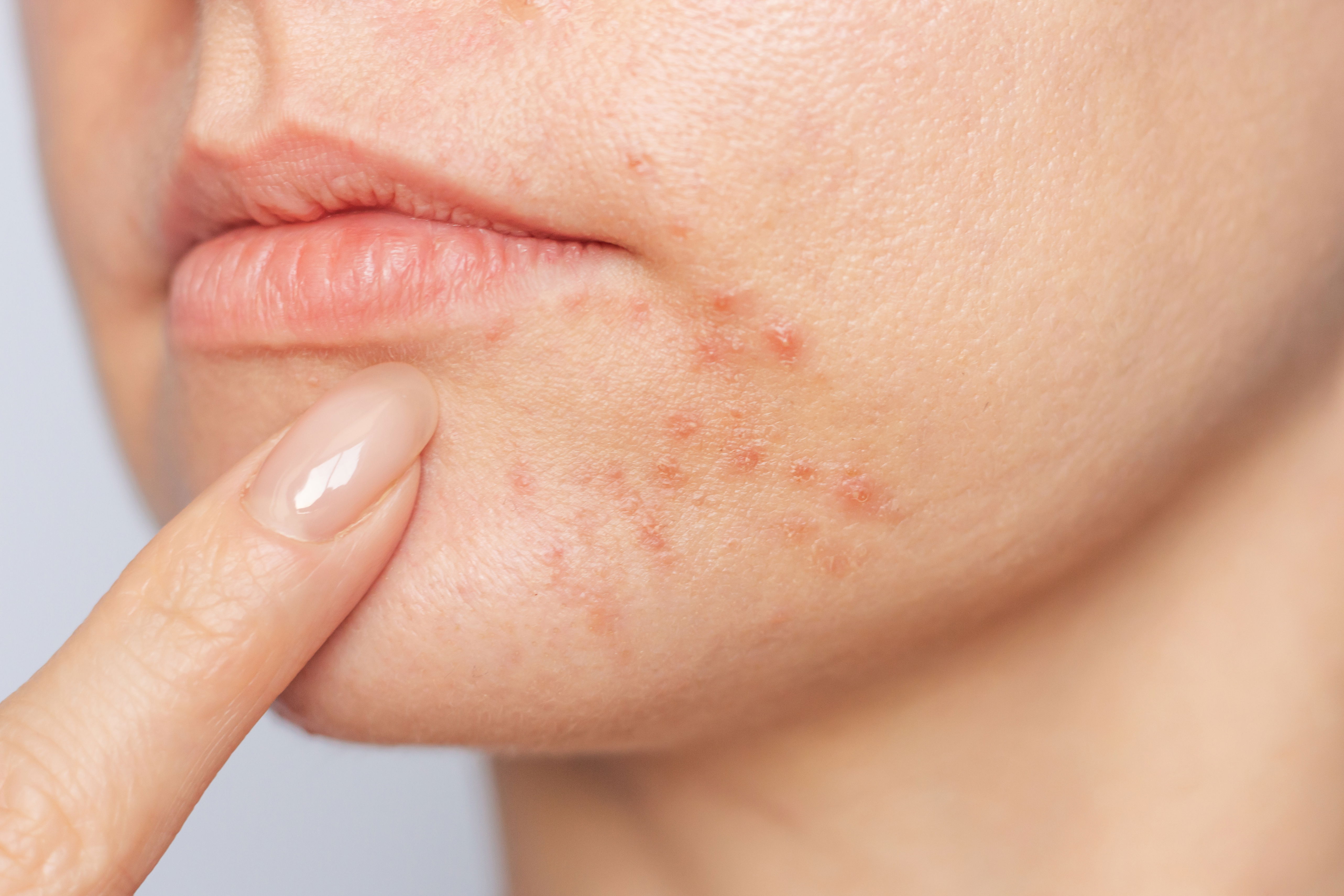
Building a skincare routine around tallow
A predictable skincare routine trains reactive skin to stay calmer. Morning steps can be as simple as a lukewarm rinse, a pea-sized amount of tallow for dermatitis on damp skin, and mineral sunscreen once absorption finishes. Evenings can add a gentle, fragrance-free cleanser followed by a slightly thicker layer of tallow balm or a focused tallow skin cream on hot spots.
Natural skincare Australia brands often pair tallow with probiotic ferments or niacinamide in low percentages; introduce those slowly and only after a week of basic layering. If you are minimizing waste, keep your sustainable skincare kit small: one cleaner, one moisturizer, one occlusive, and sunscreen. Write the order on a bathroom note until it becomes second nature and avoid experimenting during high-stress weeks when cortisol can trigger flares. If you want extra slip for massage or gua sha, blend a drop of natural castor oil with the balm in your palm instead of buying a separate product.
Applying tallow balm on face, hands, and body
Facial skin often needs the lightest touch, so warm a rice-grain size of balm between your fingers and press it over damp cheeks and around the nose where flakes linger. Hands that crack from washing can handle a thicker layer; seal the application with cotton gloves overnight to prevent transfer. On the body, apply after a short shower, patting rather than rubbing so the skin keeps as much water as possible.
If you manage overlapping issues like tallow for eczema, patch test first on a small area for three nights. People who live in humid climates can thin the balm by mixing with a drop of water in the palm before spreading. Those in dry climates may prefer a richer tallow face cream or layering tallow over a light skin repair cream prescribed by a clinician. After hand-washing at work, keep a travel tin nearby and reapply a pea-sized amount to the knuckles and cuticles to limit micro-tears from soap and sanitizer.
When to pair tallow with clinical guidance
Using tallow for dermatitis is supportive care, not a cure, so keep your medical team in the loop. If you see spreading infection, oozing, or intense night itching that interrupts sleep, contact a dermatologist before adjusting your plan. They can advise how to space tallow balm applications around steroid pulses or phototherapy so nothing interferes with healing.
Use a diary to note which sustainable skincare steps coincide with calmer days. If a prescribed skin repair cream feels harsh, layer a thin film of tallow skin cream ten minutes after application to buffer the sting. Consistency is what allows the barrier to rebuild, so set reminders on your phone and keep travel-size tins in bags to avoid missing applications during busy weeks. For stubborn dermatitis, ask about adding short-contact therapy or wet wraps; tallow can then be the final occlusive that keeps the wrap comfortable.
Conclusion
Tallow for dermatitis provides breathable moisture that helps angry skin feel settled while you follow a simple plan. By choosing grass fed beef tallow, keeping formulas minimal, and sticking to a steady skincare routine, you give your barrier the fat and time it needs to mend. Start with one unscented balm from Aussie Tallow this week, apply it twice daily for fourteen days, and track how redness and itch change. Small, consistent steps add up, and your skin will tell you when the combination is working.
FAQ
Can I use tallow with prescription steroids?
Yes. Apply the steroid first, wait ten minutes, and then seal the area with a light layer of tallow balm. This approach buffers stinging and helps medication stay in place without diluting it.
How often should I apply tallow balm during flares?
Most people do best with twice-daily use on damp skin, plus a thin mid-day layer on hot spots during flares. If you feel greasy, reduce the amount rather than skipping applications.
Is grass fed tallow safe for babies with dermatitis?
Pure grass fed beef tallow is generally gentle, but always patch test and confirm with a pediatrician if the child has active infection or open skin. Use unscented options and keep layers very thin.