Soap Making Recipes: Traditional Soap-Making Recipes with Raw Milk & Tallow
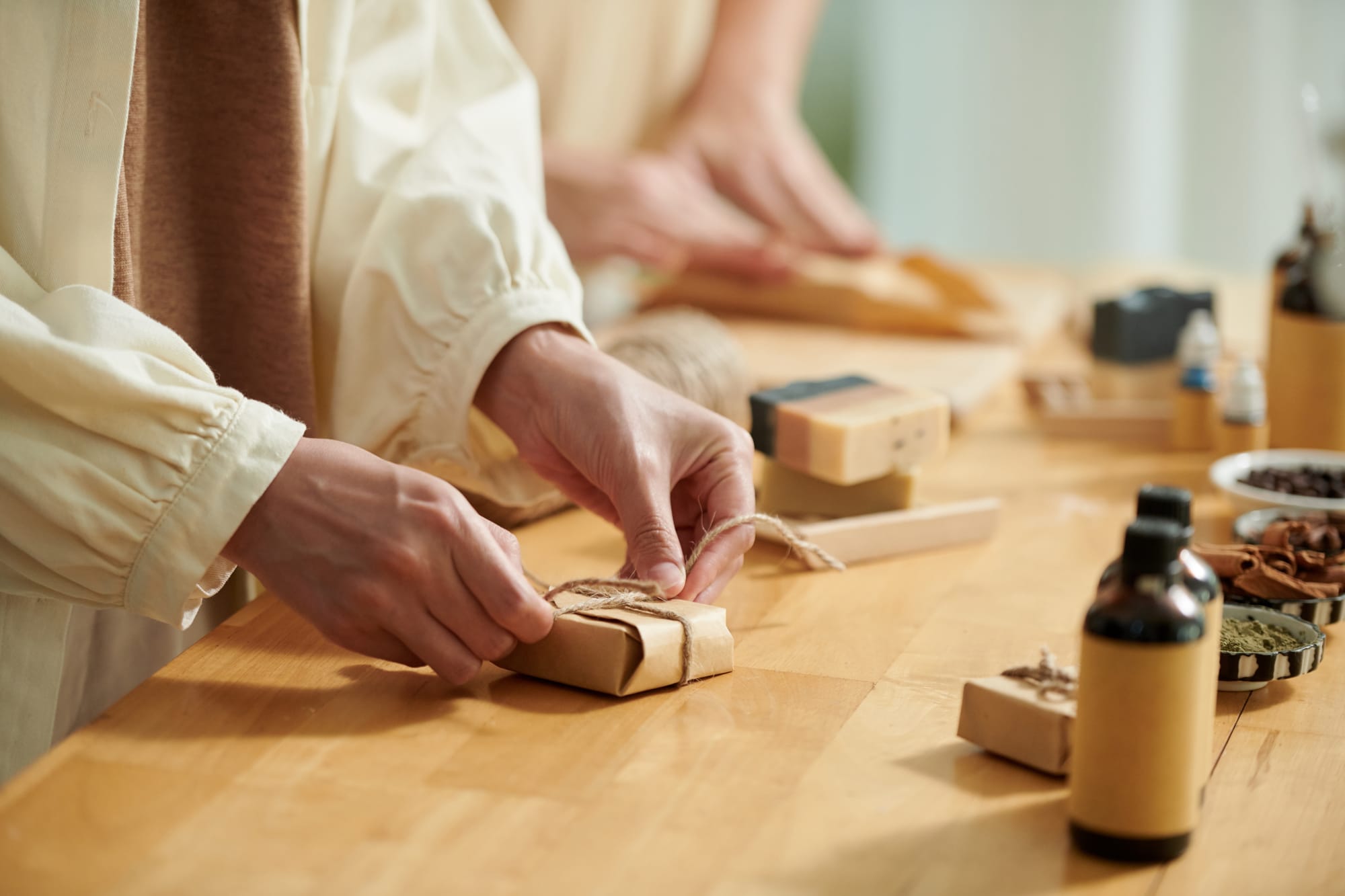
Soap making recipes are having a quiet comeback in Australia, and it makes sense. A well-made bar is simple, long-lasting, and easy to store. When you build a recipe around tallow and raw milk, you get a creamy lather and a gentle feel that suits daily use.
This article walks through why these traditional ingredients work, the safety basics you should never skip, and two beginner-friendly formulas you can adapt with a lye calculator. If you would rather buy than make, you will also learn what to look for in a quality small-batch bar.
Why tallow and raw milk make such a good base
Tallow is a stable, traditional fat that creates a dense, creamy lather and a hard bar that lasts. Raw milk adds sugars and proteins that can make lather feel silkier, and it brings a farmhouse character you can smell the moment you unmould a fresh loaf.
The biggest benefit is balance. A bar made with grass fed beef tallow tends to feel less drying than high-coconut formulas, especially when you keep cleansing time short and moisturise after showering.
Safety first: cold process basics in plain English
Cold process soap is chemistry. That is what makes it fun, and that is why it deserves respect. Lye can burn skin and eyes, and milk can scorch if the mix overheats. The goal is not to be scared. The goal is to be prepared.
Before you start:
- Wear gloves and eye protection.
- Work in a ventilated space and keep pets and kids away.
- Use a digital scale and measure by weight, not cups.
- Add lye to liquid, never liquid to lye.
- Use a trusted lye calculator for every batch and write your notes down.
If you are new, keep the first batches unscented. Once you can make a consistent bar, you can experiment with scent and colour without guessing what went wrong.
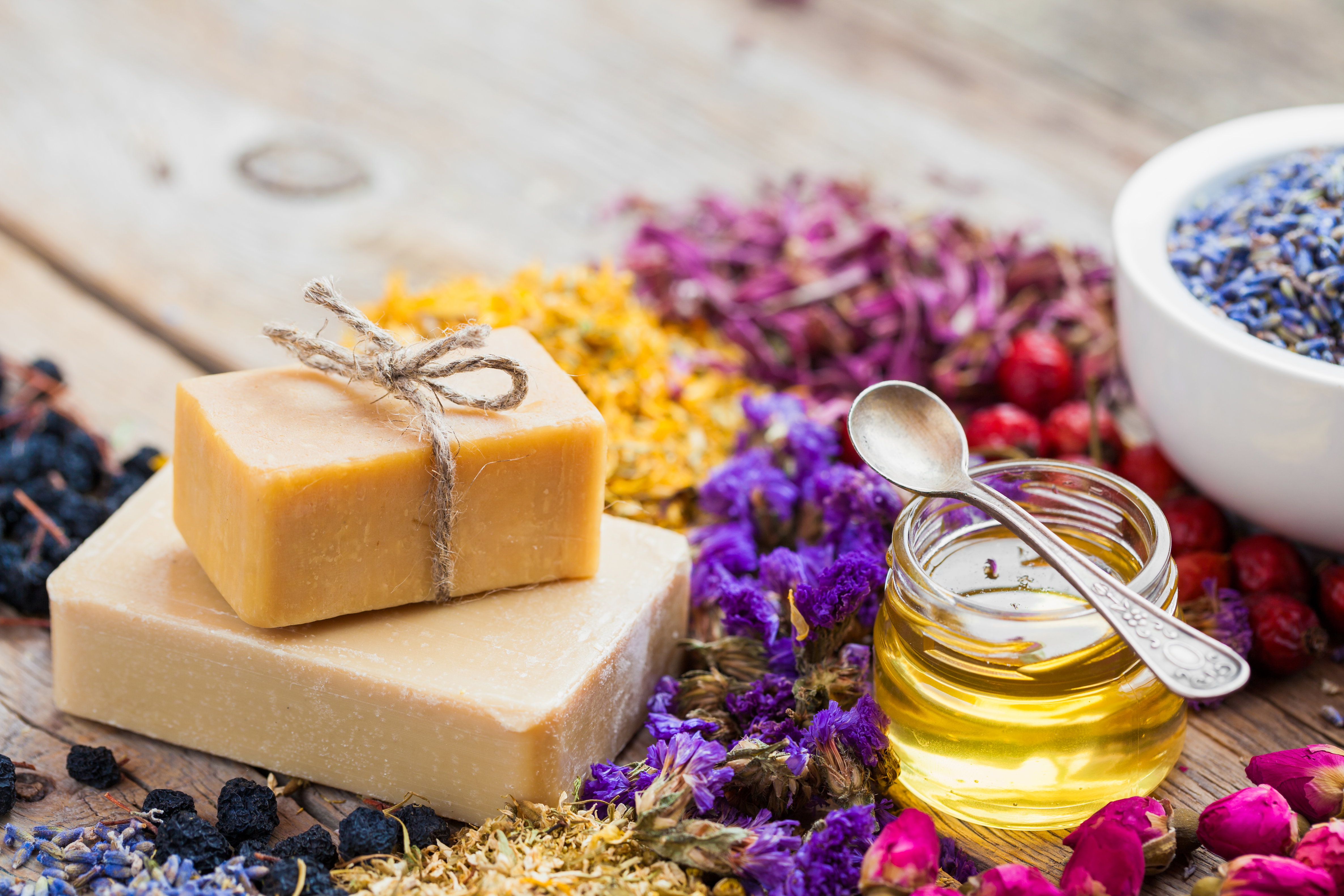
Two soap making recipes you can customise
These soap making recipes are percent-based, so you can scale them up or down. They are designed to be gentle and long-lasting. Always run the numbers through a lye calculator for your exact oils, batch size, and preferred superfat.
Recipe 1: Creamy raw milk and tallow bar (everyday body soap)
Oil blend (by percentage):
- 70% tallow
- 25% olive oil
- 5% castor oil
Suggested settings:
- Superfat: 5%
- Liquid: frozen raw milk (partially frozen slush is easiest)
Method highlights:
- Chill your oils and your milk so the mix stays cool.
- Sprinkle lye slowly into the milk and stir gently to avoid overheating.
- Blend to light trace, pour, and insulate lightly or not at all.
- Unmould after 24 to 48 hours, then cure in open air for 4 to 6 weeks.
Recipe 2: Hard shower bar for humid bathrooms (low-maintenance and long-lasting)
Oil blend (by percentage):
- 75% tallow
- 20% olive oil
- 5% castor oil
Suggested settings:
- Superfat: 6%
- Liquid: water or a split of water and milk if you want easier temperatures
Method highlights:
- Mix lye solution and oils at similar temperatures.
- Blend to a thin trace so you avoid air bubbles.
- Pour and tap the mould gently to release trapped air.
- Cure fully so the bar hardens and becomes milder.
Both formulas work well as a base for a face-and-body bar. If you want more cleansing power, adjust carefully and patch test, because “more bubbly” often means “more drying”.
One extra detail that makes a big difference is cure time. Fresh soap is still finishing its internal chemistry and evaporating water. If you use a bar too early, it will feel softer, dissolve faster, and can feel harsher on skin. A full cure gives you a harder bar, a milder wash, and better performance in humid bathrooms.
How we craft each bar by hand (and what to look for when buying)
If you would rather buy than mix lye at home, look for makers who are transparent about ingredients and curing time. The best small-batch bars list fats clearly, cure for at least four weeks, and avoid heavy fragrance blends that can linger on sensitive skin.
When people search natural soap australia, they are usually looking for straightforward ingredients and local sourcing. Good makers will tell you where the tallow comes from, how it is rendered, and what they use for scent (if anything).
At Aussie Tallow, the focus is on clean rendering, careful filtering, and batches that cure properly before shipping. That patience is what creates a bar that feels creamy instead of harsh.
Troubleshooting, storage, and getting better lather
Soap can be simple, but small details matter. Here are common issues and easy fixes:
- Soft bars: cure longer and store on a slotted dish so air can circulate.
- Soda ash: reduce surface moisture and avoid overheating; it is cosmetic and safe to wash off.
- Milk scorching: keep temperatures low and use frozen milk to slow the reaction.
- Dreaded orange spots: use fresh fats, avoid excess heat, and store bars away from sunlight.
If your goal is a low-waste bathroom, bar products can replace bottles over time. For example, a tallow shampoo bar can be a practical step toward plastic free shampoo, especially when you pair it with a simple rinse routine. Some people also like a tallow conditioner bar for travel, because it saves space and avoids leaks.
If you are choosing between recipes and ready-made bars, remember the intent. Tallow for soap is popular because it makes a stable, long-lasting base that holds up in the shower. A well-cured bar should feel smooth, rinse clean, and leave skin comfortable. That is what people mean when they talk about a great tallow soap experience.
To get the best results from any bar, keep the technique simple. Wet your hands, build a lather in your palms, and press it onto skin instead of scrubbing hard. Rinse fully, then let the bar dry on a slotted dish so it does not turn mushy. If you live in a hard-water area, you may notice more residue on shower glass and less foam. That does not mean the bar is “bad”, it just means you may need a little more water and patience.
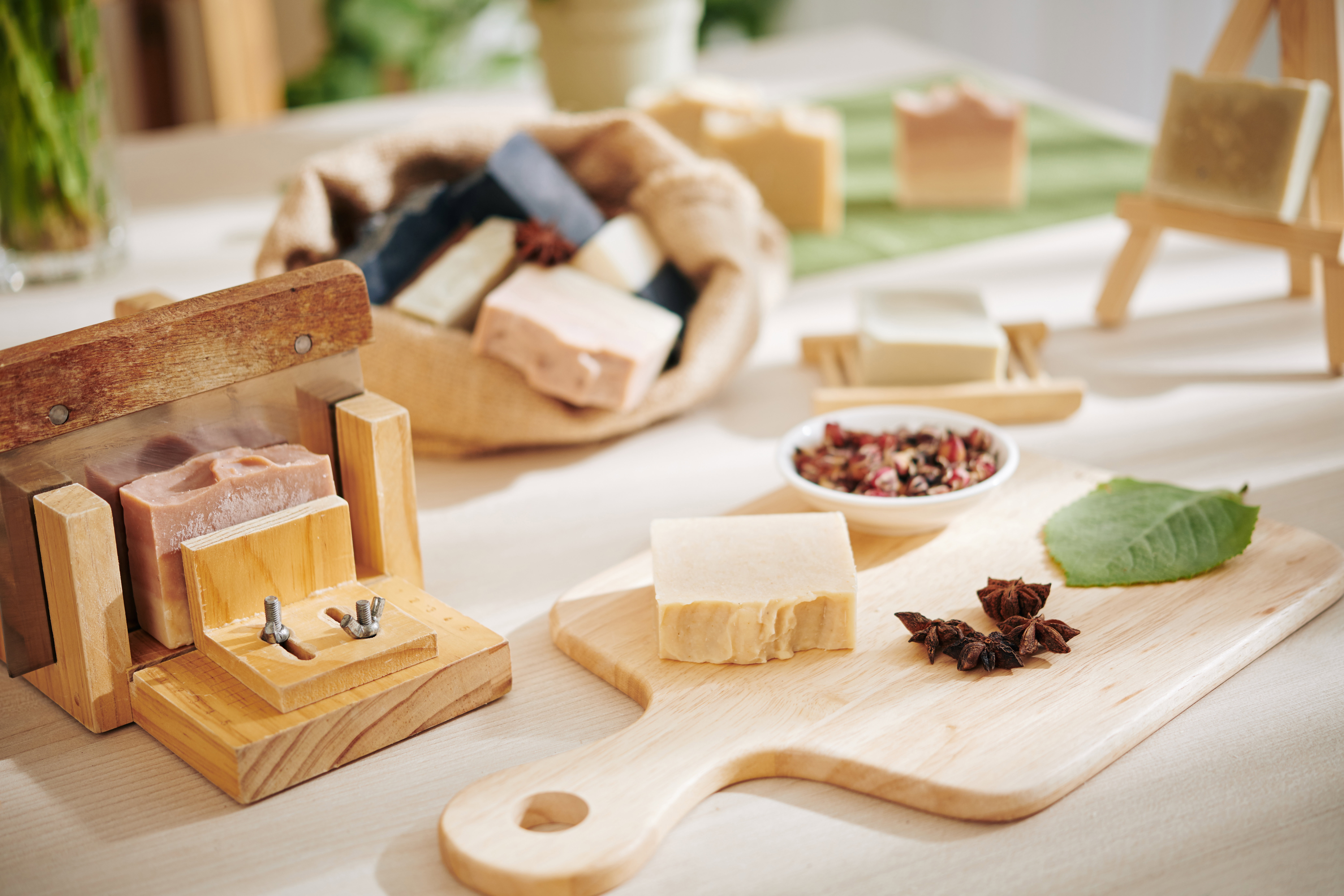
Conclusion
The best soap making recipes are the ones you can repeat safely. Start with a gentle formula, take notes, and give the bar time to cure so it becomes hard and mild. Once you know your process, you can explore scent, botanicals, and different moulds without losing consistency. If you prefer to buy, choose transparent makers with simple ingredients and proper curing. A great bar is a small daily luxury, and it can make your whole routine feel more intentional.
FAQ
Can I use raw milk in cold process soap safely?
Yes, as long as you control temperature. Use frozen milk, add lye slowly, and avoid insulating the mould heavily so the soap does not overheat.
How long should a tallow-based bar cure?
Most bars improve dramatically after 4 to 6 weeks. A longer cure usually means a harder bar, a milder wash, and better longevity in the shower.
Do I need to calculate lye every time?
Yes. Even small oil changes affect the chemistry. Always use a lye calculator and measure by weight so your soap is predictable and safe.