Plastic Free Shampoo Bars: Zero-Waste Haircare That Actually Works
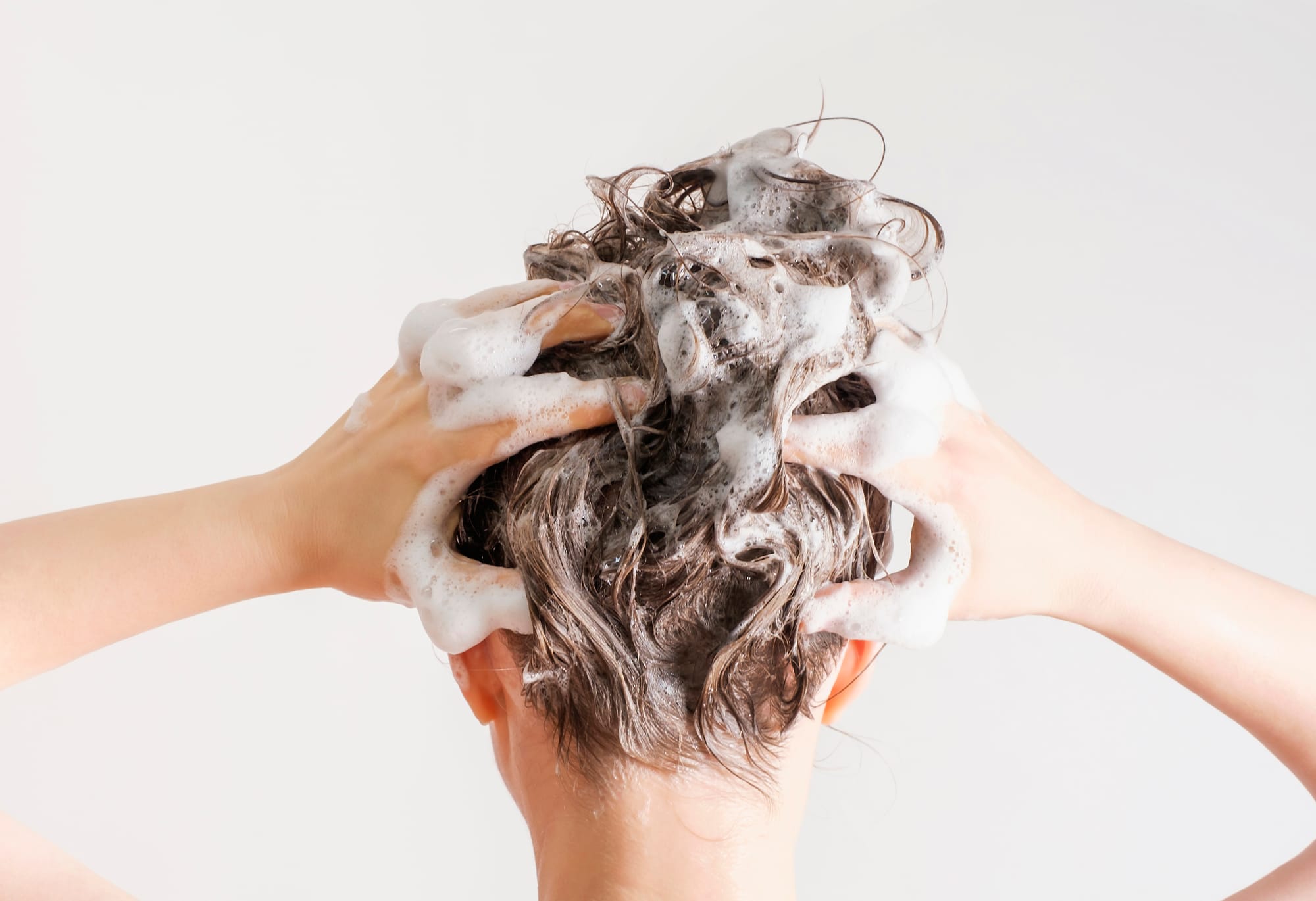
Plastic free shampoo bars remove plastic bottles from your shower while keeping your hair clean, light, and smooth. When formulated with balanced oils like grass fed tallow and natural castor oil, they create a creamy lather that lifts buildup without stripping your scalp. You get the convenience of a compact bar plus the satisfaction of a smaller footprint, all without sacrificing performance. For travelers, students, and busy parents, this swap simplifies haircare and cuts down on clutter.
Because the formula is concentrated, the scalp microbiome faces fewer preservatives, which can mean less itch and flake over time. This article explains how these bars work, which ingredients support healthy scalps, and how to transition from liquid formulas. You will learn dosing tips, storage tricks that keep bars solid, and how to pair them with a tallow conditioner bar for smooth ends.
Why plastic free shampoo bars clean effectively
A well-made bar contains a mix of cleansing and conditioning fats that lather easily without sulfates. Grass fed tallow adds slip and moisture, while natural castor oil boosts bubbles so the bar feels familiar to long-time liquid users. When cured correctly, the bar stays firm, resists getting mushy, and lasts for dozens of washes.
The solid format also concentrates the formula, meaning you use less per wash and avoid filler water found in many bottled shampoos. If you rinse thoroughly with lukewarm water, you will notice hair that feels clean but not squeaky. That balance helps the scalp maintain its own oil rhythm, reducing the urge to overwash. Most bars sit near a neutral to mildly alkaline pH; if you need extra smoothness, follow with a quick acidic rinse. You can also use the same lather as a gentle body wash in a pinch, keeping your gym bag lighter. If your scalp feels tight after washing, finish with a short cool rinse to help the cuticle lie flat.
Ingredients to look for in solid shampoo bars
Check labels for gentle surfactants or saponified oils paired with fats like grass fed tallow for moisture. A small amount of natural castor oil improves lather, while cocoa butter or shea adds glide. Avoid heavy synthetic fragrance if your scalp is sensitive; instead, pick bars scented lightly with essential oils at low percentages.
A tallow shampoo bar pairs well with a tallow conditioner bar, especially for thick or wavy hair that tangles easily. Ethical skincare Australia makers often publish sourcing and batch testing, which is handy when you want to avoid harsh additives. If you color your hair, choose bars labeled color-safe and test on a small section before full use. Australian made skincare brands sometimes add herbs like rosemary or nettle for scalp comfort; start with small batches to see how your skin responds. If you prefer unscented options, look for bars wrapped in plain paper to avoid fragrance transfer during shipping.
How to switch from liquid to bar shampoo
Start by clarifying once to remove silicone buildup, then use the bar for two weeks without swapping back to liquid. Wet your hair thoroughly, swipe the bar over roots three to five times, then lather with your fingers to distribute. Rinse well and, if needed, repeat with fewer swipes.During the first few washes, you may feel a slight texture change as your scalp adjusts to less silicone and more natural oils.
Use a diluted apple cider vinegar rinse once a week if you have hard water, and keep showers warm rather than hot to avoid drying the scalp. This steady approach helps you judge the bar fairly and keeps frizz to a minimum while you adapt. Brushing with a boar bristle brush between washes can move natural oils down the hair shaft, extending time between shampoos. Store the bar on a draining dish between uses, and if it softens, let it air-dry overnight away from steam. If you share a bathroom, label your bar or keep it in a ventilated travel tin so it stays clean.

Routine tips for different hair types
Fine hair often needs fewer passes of the bar and a lightweight rinse-out conditioner just on the ends. Thick or curly hair usually benefits from a richer lather and a tallow conditioner bar to seal the cuticle.
If your scalp is oily, focus the bar at the roots and let the lather run through the lengths instead of scrubbing ends.
For dry scalps, massage the foam gently and leave it on for one minute before rinsing so the fats can condition the skin. Those who exercise daily may alternate the shampoo bar with a water-only rinse to avoid over-cleansing. If you wear protective styles, lather at the scalp line and let water carry the foam through braids or twists. Write down what you try; small tweaks make it easier to find your ideal routine in a week or two.
Sustainability and travel advantages
These bars shine when you travel or camp, because they pack small, bypass liquid limits, and will not leak in a bag. Pair them with a simple tin or wrap them in waxed paper for on-the-go use. Keeping one bar for the gym and one at home also extends longevity because each has time to dry between uses.
Choosing bars from sustainable skincare makers means you support recycled or compostable packaging and often refill schemes. Many australian made skincare brands also bundle shampoo and conditioner bars, reducing shipping waste. That way your hair routine stays eco-friendly from formula to delivery. A draining dish in the shower also reminds everyone to let the bar dry between uses. When a bar gets small, press the sliver onto a new bar so you avoid waste and keep suds strong to the very end.
Conclusion: Make zero-waste shampoo your default
Plastic free shampoo gives you clean hair, a happy scalp, and less plastic waste. By choosing bars with balanced fats, gentle scents, and recyclable packaging, you can enjoy salon-quality results without bottles. Start with one bar from Aussie Tallow, track how your hair feels for two weeks, and adjust the number of swipes until you get the perfect lather. Once you dial it in, the routine becomes easy to repeat and share with the rest of the household. Swap notes with family members so everyone uses the right number of swipes and the bar lasts longer.
FAQ
Do these bars work in hard water?
They can. Rinse thoroughly, consider a weekly vinegar rinse, and let the bar dry between uses to prevent film. If buildup appears, clarify once and resume normal washing.
How long does one bar typically last?
Depending on hair length and how many swipes you use, a bar typically lasts 40 to 60 washes. Keeping it on a draining dish and letting it dry fully will stretch its life.
Will a solid shampoo bar strip hair color?
Choose bars labeled color-safe and avoid harsh sulfates. Patch test on a small section first; if the shade stays true after a few washes, continue with full use.