Chemical Free Sunscreen: What to Look For and What to Avoid
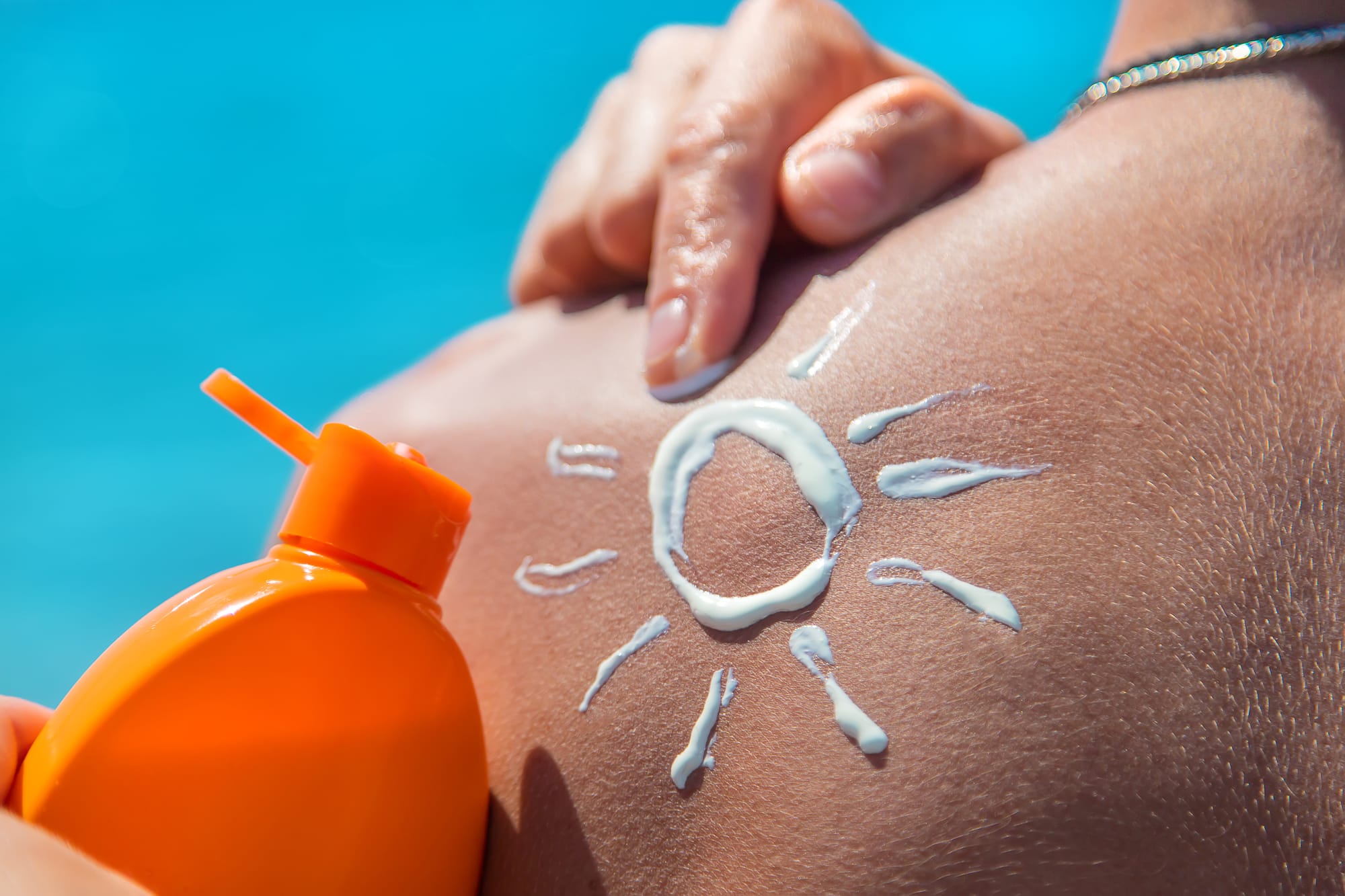
Chemical free sunscreen has become a priority for families who want mineral protection without harsh additives. The right formula shields skin with zinc or titanium while skipping filters that can sting eyes or disrupt coral reefs.
This guide covers which ingredients to seek, which claims to ignore, and how to apply sunscreen so you stay protected all year. You will also learn how to pair mineral SPF with a simple skincare routine and how to keep kids and athletes covered without residue. If you are switching from conventional formulas, these steps make the move smooth. We will touch on storage, reapplication hacks during commutes, and how to read labels fast when you are shopping in a hurry.
Mineral Filters vs. Chemical Filters
Chemical free sunscreen relies on zinc oxide and titanium dioxide to reflect UV rays. Chemical filters like oxybenzone absorb rays but can irritate sensitive skin and harm reefs. Mineral formulas sit on the surface, so they rarely sting and start working immediately.
Choose non-nano zinc for broad protection and transparency from reputable brands. If a product lists avobenzone, octinoxate, or oxybenzone, it is not chemical free sunscreen. Stick to simple filters and short ingredient lists to minimize reactions. Check whether the product is labeled as broad spectrum so you are covered against UVA and UVB. For melanin-rich skin, tinted mineral options can reduce white cast without changing the benefits.
Reading Labels and Avoiding Greenwashing
Ignore vague claims like reef-safe without ingredient proof. Look for zinc oxide as the primary active and check the inactive list for added fragrance or drying alcohols. If the bottle hides behind the word fragrance, skip it.
A true chemical free sunscreen discloses percentages of mineral filters and avoids unnecessary dyes. Check batch dates and prefer brands that publish test results for UVA and UVB coverage. Transparent labeling is the fastest way to trust what you put on your skin. If you see coconut oil high on the list, be cautious if you are acne-prone. Prioritize pump or tube packaging to reduce contamination from dipping fingers in jars.
Building a Routine Around Chemical Free Sunscreen
Start with a gentle cleanse, add a hydrating mist, then a light moisturizer, and finish with chemical free sunscreen. If you use a tallow moisturizer, press it in, let it set for a minute, and apply SPF on top.
Make this your morning habit so you cover daily sun exposure, even on cloudy days. At night, double cleanse to remove sunscreen and sweat, then moisturize to restore the barrier. Keeping the routine consistent ensures the SPF is not an afterthought. On work-from-home days, still apply a light layer to protect against incidental sun from windows. Set a daily reminder until the habit feels automatic.

Application Tips for Daily Life and Sport
Use a teaspoon for face and neck and two tablespoons for the body when in full sun. Reapply every two hours or after swimming and toweling. For makeup wearers, use a damp sponge to press chemical free sunscreen over foundation. Athletes should choose water-resistant formulas and keep a stick version for quick touch-ups on ears and lips.
Carry a travel tube in your bag or car so you never skip reapplication. If you sweat heavily, reapply more often and pair sunscreen with a sweatband to keep it from dripping into eyes. For beach days, set a phone timer for every two hours to stay on track. After outdoor workouts, cleanse and reapply if you stay outside; salt and sweat can break down the layer faster than you expect.
Special Considerations for Kids and Sensitive Skin
Patch test chemical free sunscreen on a child's inner arm before beach days. Avoid added fragrance and look for simple formulas under 20% zinc oxide. If a white cast appears, warm the product between your fingers and apply in thin layers.
Pair sunscreen with hats and shade so you do not rely on SPF alone. After sun, cleanse gently and use a calm moisturizer like a tallow balm to replenish. For school days, pack a small stick in a labeled pouch so kids can reapply at recess. Teach them to cover ears, nose, and the back of the neck, not just the face.
Storage, Expiration, and Travel Tips
Heat and light can degrade any sunscreen, even a chemical free sunscreen. Store bottles in a cool drawer and avoid leaving them in hot cars. Check expiration dates and mark opening dates with a marker; replace after one year if in doubt.
When traveling, keep a smaller tube in your carry-on and a full bottle in checked luggage. For hikes, choose a stick format to avoid spills and to apply without messy hands. If you notice separation or a strange smell, discard the product and open a fresh tube.
Myths and Misconceptions About Chemical Free Sunscreen
A common myth is that mineral filters are too weak for intense sun. In reality, a properly applied chemical free sunscreen with 20% zinc oxide offers strong protection. Another myth claims mineral SPF is always thick. Modern formulas use micronized zinc to spread smoothly when warmed between fingers.
Some think reapplication is unnecessary with mineral filters, but sweat and friction still remove them. Keep a schedule to reapply and back up your efforts with hats and shade. Remember that SPF numbers assume a full, generous application. Finally, mineral SPF is not just for the beach; daily use prevents cumulative damage from quick errands and window light.

Conclusion
Choosing a chemical free sunscreen means fewer irritants, reef-safe filters, and protection you can trust. Keep application simple, reapply on schedule, and store a backup tube so you never skip. When paired with a steady moisturizer and mindful sun habits, mineral SPF supports long-term skin health for the whole family.
Track a two-week streak on your calendar and reward yourself for consistency; habits protect better than occasional perfect days. Keep a small tube at work or in the car so surprise errands never leave you unprotected.
FAQ
Is chemical free sunscreen enough for long beach days?
Yes, if applied generously and reapplied every two hours. Use hats, shade, and UPF clothing to support it. Bring a stick for quick touch-ups on ears, nose, and lips between swims.
Does chemical free sunscreen leave a white cast?
Some can. Choose micronized but non-nano zinc and warm it between fingers before applying. Layer thinly on damp skin to help it disappear. Tinted mineral formulas can also reduce cast on deeper skin tones.
Can I layer chemical free sunscreen over makeup?
Yes. Use a damp sponge to press it over makeup or keep a mineral SPF spray for mid-day reapplication. Always start with a dedicated layer on bare skin in the morning for full coverage.
Do I need chemical free sunscreen indoors?
If you sit near windows for hours, yes. UVA rays penetrate glass, so a light layer in the morning helps. It also keeps you in the habit for when you step outside unexpectedly.