Chemical Free Skincare: What to Avoid for Healthy Skin
Chemical free skincare can feel confusing, because “chemical” is a broad word and labels are full of marketing. A better goal is simple: minimise common irritants, protect your skin barrier, and keep your routine steady long enough to see results. When you do that, skin usually looks calmer, feels less tight after cleansing, and tolerates actives better.
This guide breaks down what people often choose to avoid, what to look for on Australian ingredient lists, and how to build a practical routine that still delivers glow. You do not need to throw everything out overnight. Start small, patch test, and let your skin lead the way.
Why chemical free skincare is really about barrier support
Your skin barrier is a thin, intelligent shield made of lipids, cells, and protective proteins. When it is healthy, it holds water in and keeps irritants out. When it is stressed, everything feels stronger: fragrance stings, wind burns, and even water can feel drying.
The most useful chemical free skincare approach is not fear-based. It is barrier-based. That means you are looking for products that clean without stripping, moisturise without heavy fillers, and avoid “extras” that tend to trigger redness or itch for many people.
Ingredients people often limit (and what to choose instead)
Everyone’s skin is different, so there is no universal blacklist. Still, certain ingredients show up again and again in irritation stories, especially when someone is dry, reactive, or over-exfoliated.
Common things people limit include:
- Added fragrance (often listed as “parfum”): choose fragrance-free or very lightly scented formulas.
- High amounts of alcohol denat.: look for water-based hydrators and richer moisturisers instead.
- Strong surfactants (like SLS/SLES) in face wash: switch to gentler cleansers and shorter cleansing time.
- Too many exfoliants at once (AHA, BHA, retinoids, scrubs): scale back to one active and increase slowly.
- Essential oil blends: even “natural” oils can irritate, especially around the eyes and on compromised skin.
- Harsh physical scrubs: use a soft cloth, or skip manual exfoliation while your barrier heals.
If you are trying to keep things simple, focus on what your skin needs today: water, lipids, and consistency. For many people, the fastest improvement comes from removing one trigger, not from adding three new products.

How to read labels in Australia (without needing a chemistry degree)
Skincare labels in Australia use INCI names, and ingredients are usually listed from highest to lowest concentration. That means the first five to eight ingredients tell you most of what the product really is.
A few practical tips:
- “Natural” and “clean” are not strict regulatory terms. Use the ingredient list, not the front label.
- If fragrance is an issue for you, scan for “parfum” and for common fragrance allergens (like limonene or linalool).
- If your skin flares easily, avoid changing multiple things at once. One new product at a time is the easiest way to spot what helps or hurts.
- If ethics matter, look for brands that publish sourcing and batch information. That matters more than vague claims like “eco” or “non-toxic”.
People searching for ethical skincare australia often want transparency as much as performance. Ingredient clarity, supply chain honesty, and simple formulas make that possible.
Patch testing in three simple steps
Patch testing sounds boring, but it saves time, money, and stress. It also helps you avoid blaming the “wrong” product when the real issue is irritation stacking (too many changes at once).
Try this simple method:
- Apply a small amount to the inner forearm or along the jawline for three nights in a row.
- Do not add any other new products while you test.
- Watch for delayed reactions like itch, bumps, or a warm, tight feeling the next day.
If you are testing a leave-on product, keep the test area moisturised the same way you normally would. If you are testing a cleanser, use it briefly and rinse, then observe. When in doubt, go slower and test longer.
A simple, realistic routine for calmer skin
A good routine is not the longest routine. It is the one you can repeat on a busy Tuesday. If you are rebuilding after irritation, aim for three steps and add actives later.
Here is a simple skincare routine that works for many skin types:
- Cleanse gently at night (or just rinse in the morning).
- Moisturise on slightly damp skin to lock hydration in.
- Wear sunscreen every day you will be outside, even on cloudy mornings.
If you need a keyword-style checklist when shopping, look for a skin moisturizer for sensitive skin that is fragrance-free, contains supportive lipids, and leaves no tight feeling after ten minutes. If your face still feels dry, you likely need a richer moisturiser, not a stronger cleanser.
Where tallow fits in a low-toxin moisturising step
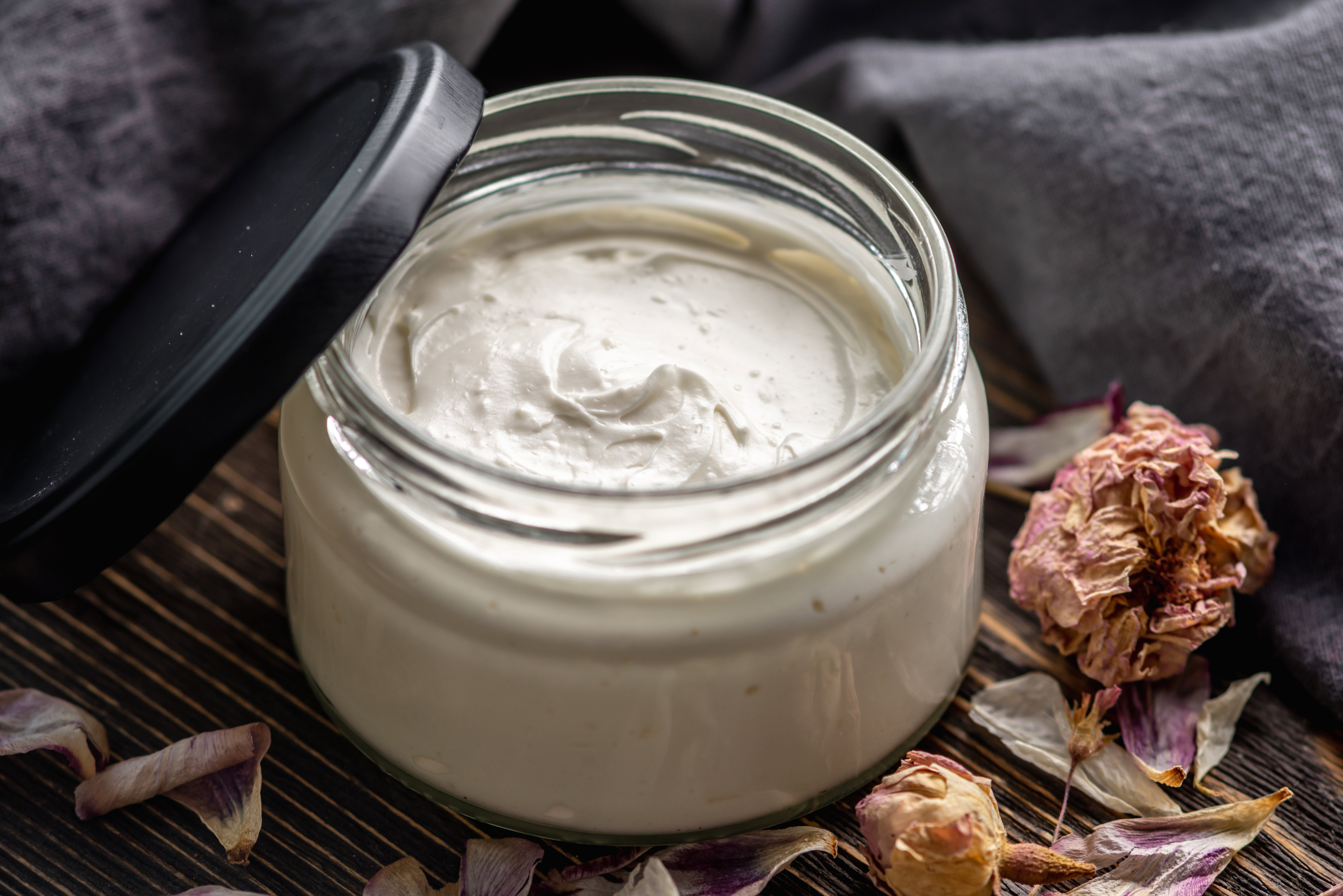
If you want fewer ingredients and more comfort, consider a traditional fat-based moisturiser. A well-made tallow balm can create a breathable seal that reduces water loss and helps skin feel protected during dry weather, air-conditioning, and windy beach walks.
Look for quality cues that support sensitivity:
- Simple base, minimal fragrance.
- Clear sourcing (for example, grass fed beef tallow with careful rendering and filtering).
- Texture that melts into skin without leaving a heavy, sticky film.
Some people prefer a lighter texture for daytime. In that case, a whipped tallow face cream can feel more “cream-like” while still staying minimal. If you are very dry, you may also like a beef tallow moisturizer layered over a hydrating serum at night.
Not all “better-for-you” labels are equal. Organic skincare can be wonderful, but it is not automatically gentler. Always patch test, especially with botanicals and essential oils.
If you are rebuilding after too much exfoliation, treat your moisturiser like a skin repair cream: keep it consistent, skip new actives for two weeks, and focus on comfort and hydration.
A practical 7-day reset you can start today
If you feel overwhelmed, use this short reset to get back to baseline. It is deliberately boring, because boring routines are easier to troubleshoot.
- Days 1-2: remove fragrance-heavy products and pause exfoliants.
- Days 3-4: keep cleansing short and lukewarm; moisturise immediately after.
- Days 5-6: add sunscreen daily and reapply if you are outdoors.
- Day 7: review how your skin feels and add back only one product if needed.
Chemical free skincare works best when you can tell what is doing what. A week of consistency gives you that clarity.
Conclusion
The best chemical free skincare plan is not about perfection. It is about reducing common triggers, respecting your barrier, and building a routine you can maintain. Start with one small change, keep notes, and give your skin time to settle before you judge results. If you want a minimalist moisturising step, choose a simple balm or cream, patch test it for a few days, and then keep it steady. Your skin will usually reward consistency more than novelty.
FAQ
Is chemical free skincare better for sensitive skin?
It can be, especially if it helps you avoid fragrance, harsh surfactants, and too many actives at once. The key is choosing fewer, gentler formulas and introducing them slowly.
What should I do if everything seems to sting?
Stop new products, pause exfoliants, and use a basic cleanser plus moisturiser for two weeks. If burning or swelling continues, speak with a pharmacist or dermatologist to rule out allergy or dermatitis.
Can I combine a balm with retinoids or acids?
Yes, but keep it simple. Apply actives first, wait a few minutes, then moisturise. If you are irritated, scale back actives and focus on hydration until you are comfortable again.