Best Australian Sunscreen: Safe, Mineral, and Family-Friendly
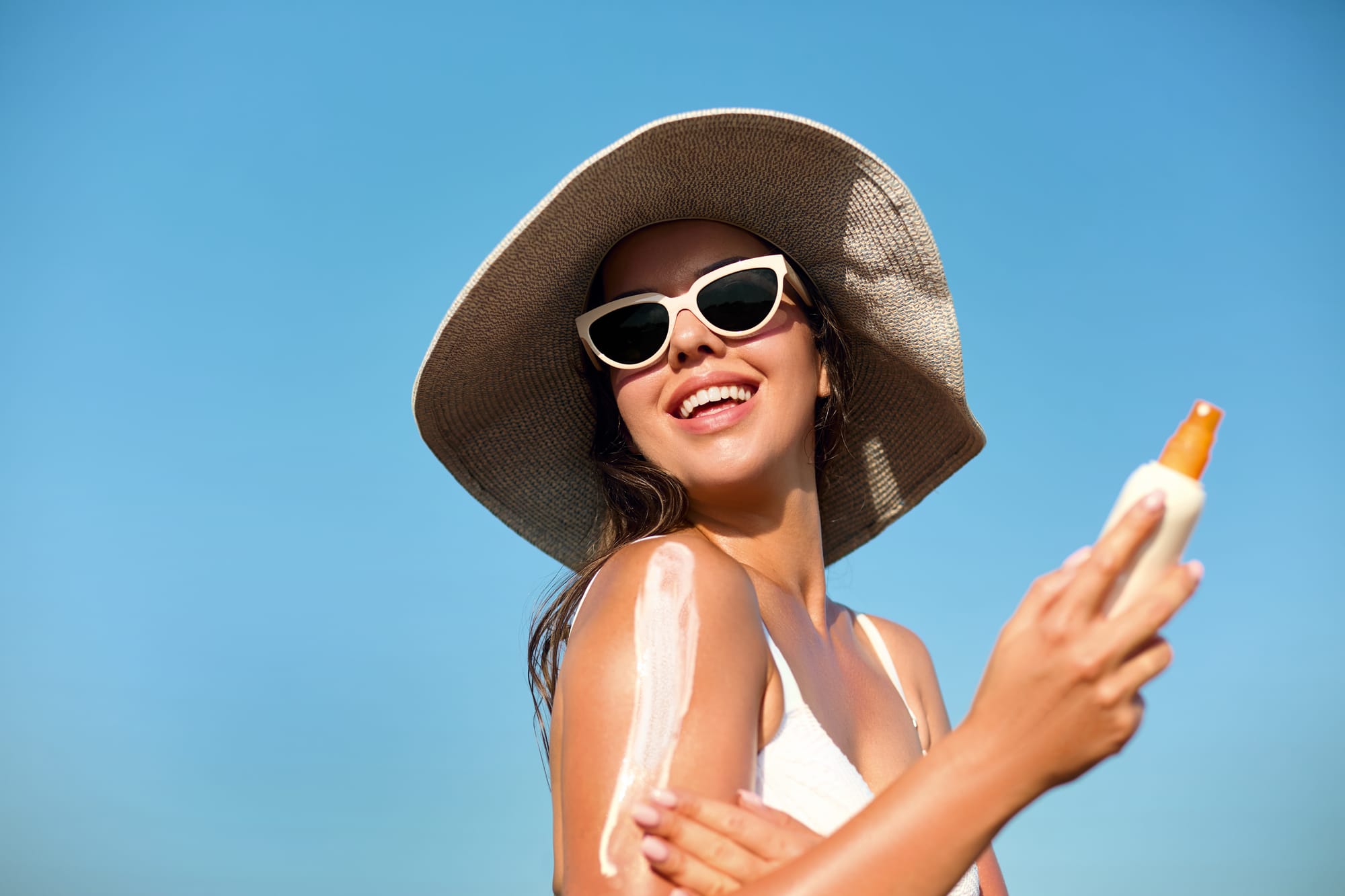
The Australian sunscreen protects against fierce sun while respecting sensitive skin and local regulations. With so many bottles crowding the shelf, it is easy to grab whatever smells nice, but non-toxic mineral formulas give the most reliable daily defense. This guide breaks down what to look for, how to build a routine around chemical free sunscreen, and why choosing Australian sunscreen brands with transparent testing keeps families safer year-round. You will learn what the SPF number really means, how UVA and UVB differ, and how mineral filters fit with everyday makeup or beach days so you are never guessing about protection. By the end you will know exactly which ingredients support the best Australian sunscreen for your household and how to store bottles so they stay effective. We will also cover quick fixes for forgotten spots so you do not end up with surprise burns.
Why Mineral Formulas Lead the Pack
Mineral filters like zinc oxide and titanium dioxide sit on top of the skin and reflect UV, which helps sensitive users avoid burning eyes or rashes. The best Australian sunscreen formulas use non-nano particles, fragrance-free bases, and moisturizers like tallow or aloe to improve spreadability.
Because Australia enforces strict SPF testing, choosing local brands means you are buying products that match the number on the label. Mineral filters also tend to be more reef friendly, a bonus if you swim often and want to protect marine ecosystems while you guard your skin. Look for labels that mention broad-spectrum coverage so you get UVA protection against aging alongside UVB burn defense. If you see PA ratings, aim for PA+++ or higher to keep UVA rays from breaking down collagen.
Choosing a Chemical Free Sunscreen
Look for short ingredient lists that skip oxybenzone, octinoxate, and synthetic fragrance. A good non toxic sunscreen should feel comfortable under makeup and not leave a harsh white cast. If you see jojoba, squalane, or tallow alongside zinc, you are likely holding a balanced formula that nourishes as it shields.
Check the label for water resistance if you swim or sweat, and avoid aerosol sprays that make it hard to apply an even, protective layer. The best Australian sunscreen options often post full ingredient breakdowns online, so compare a few before you buy. Choose the finish you like—matte, satin, or dewy—so you actually enjoy wearing it every day.
Picking Sunscreen for Different Skin Types
Families need flexible options. For babies and toddlers, stick with a fragrance-free mineral sunscreen and reapply every two hours. Sensitive adults should seek soothing bases with chamomile or aloe. Outdoor athletes may prefer stick formats that grip through sweat. If you burn easily, pair your best Australian sunscreen with a wide-brim hat and remember that clouds do not block UV. For oily skin, choose lightweight gels; for dry skin, opt for creams with nourishing emollients so the shield does not crack or pill. Teens dealing with acne often do better with mineral formulas than chemical filters, which can sting active breakouts. People with melanin-rich skin can look for tinted mineral sunscreens that avoid a grey cast while still offering full protection.
Routine Tips That Boost Protection
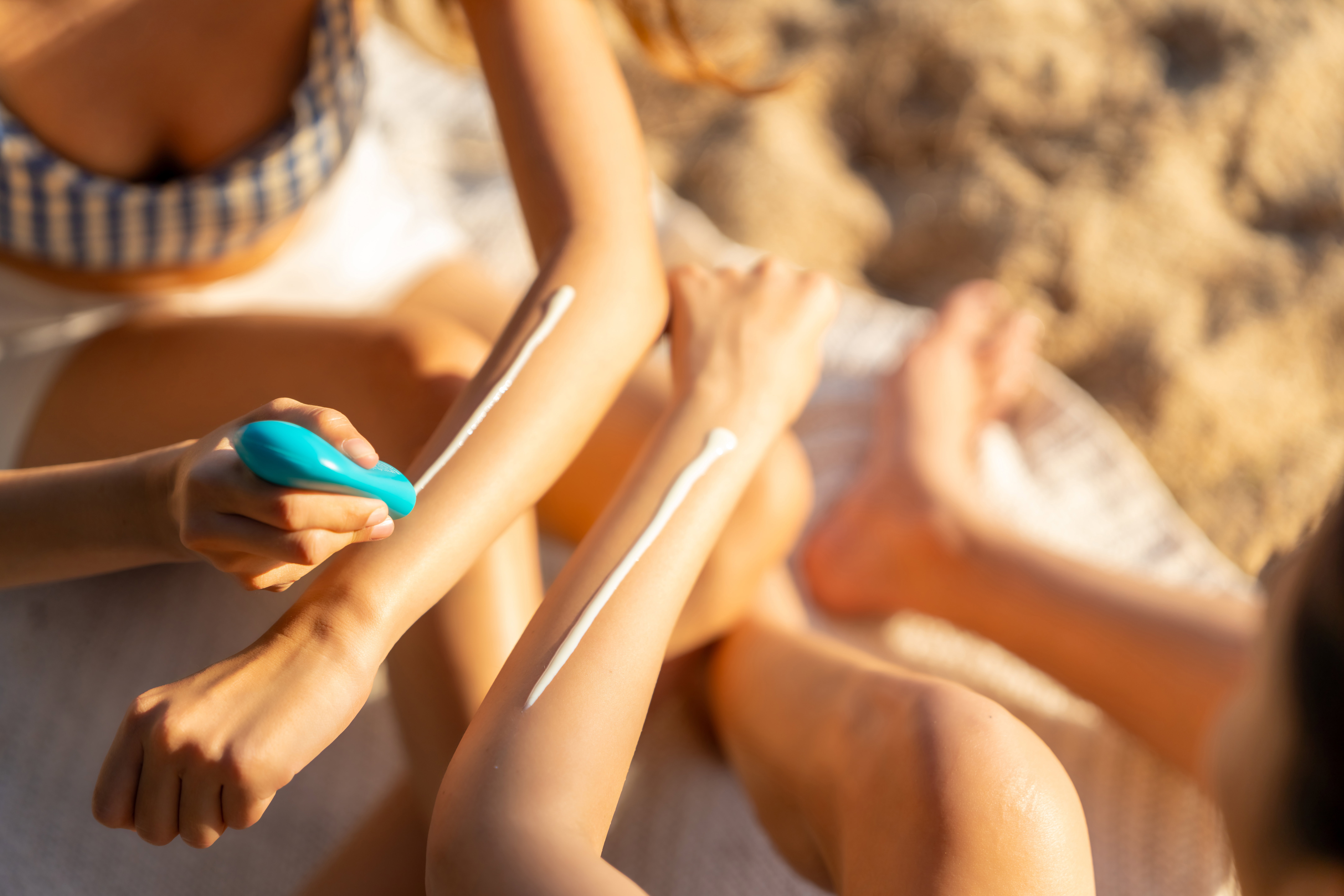
Apply sunscreen as the last step of your morning skincare routine, after moisturizer has set. Use a quarter teaspoon for the face and neck, and do not forget ears or the back of the hands. Reapply after swimming, heavy sweating, or every two hours of direct exposure. Keep a travel tube in your bag or car so you always have a chemical free sunscreen on hand for unexpected outdoor time.
Set alarms on long days outside and put your sunscreen near your keys so you never leave home without it. If you wear makeup, use a mineral powder for mid-day touch-ups rather than skipping reapplication entirely. Reapply on the scalp part line, tops of feet, and backs of knees—spots people often miss.
Australian Tallow Sunscreen – Farm-Made in Western Australia
At Aussie Tallow, we make our own tallow sunscreen on our family Jersey cow farm in Mount Barker, Western Australia.
Our Natural Mineral Sunscreen combines organic grass-fed and finished beef tallow with non-nano zinc oxide, nourishing oils and natural iron oxides to create a naturally tinted mineral sunscreen that helps minimise white cast.
Our Australian tallow sunscreen has been independently tested and provides SPF 15 broad-spectrum UVA and UVB protection with 40 minutes water resistance.
The rich beef tallow base helps leave skin feeling moisturised and comfortable, while the natural mineral pigments help the sunscreen blend beautifully into the skin.
Shop Our Tallow Sunscreen Natural Sunscreen Australia | Tallow Mineral Sunscreen
Conclusion: Choose Better, Burn Less
The best Australian sunscreen is mineral, non-toxic, and tested for real-world durability. Choose a formula that suits your skin type, build a reapplication habit, and back it with barrier-friendly care from Aussie Tallow.
Start today by replacing one product in your bag with a zinc-based option so you stay protected every time you step outside. Check your supply every few months so you are never caught with an expired bottle when the UV index spikes. One small switch now can save you from sun damage that shows up years later. Make sunscreen a non-negotiable part of your morning so the habit feels as natural as brushing your teeth. Write the reapplication time on your hand when you head to the beach so you never miss a round. Store a tube by the front door so last-minute errands never happen without protection. Keep a backup travel tube in your glovebox for surprise sunny days.
FAQ
Can mineral sunscreen leave a white cast?
Some do, but non nano zinc oxide can be micronized enough to blend while staying reef safe. Apply over moisturizer and let it warm to skin temperature for a smoother finish. If you see streaks, use a damp sponge to press it in instead of rubbing. Toners or mists underneath can also help mineral formulas melt in. Testing a travel size first lets you check the finish in different lights. If you pick a tinted version, swipe a small amount on the jawline to confirm it matches.
Is chemical free sunscreen strong enough for sport?
Yes, as long as you apply enough and reapply after sweat or water. Look for water-resistant mineral formulas rated for 40 to 80 minutes. Keep a stick in your gym bag for quick touch-ups along hairlines and ears. If you exercise at midday, pair sunscreen with UPF clothing so your coverage stays reliable. Remember that reflective surfaces like water or snow bounce UV back onto skin.
How much sunscreen should I use on my face?
Use about a quarter teaspoon for face and neck. If you use a stick, make at least three passes over each area to reach the labeled SPF. Remember to reapply after blotting sweat or toweling off. For body coverage, aim for a shot-glass amount before long days outdoors. Applying indoors before you leave gives mineral filters time to settle evenly.