Best Australian Skincare Brands Focusing on Purity and Integrity
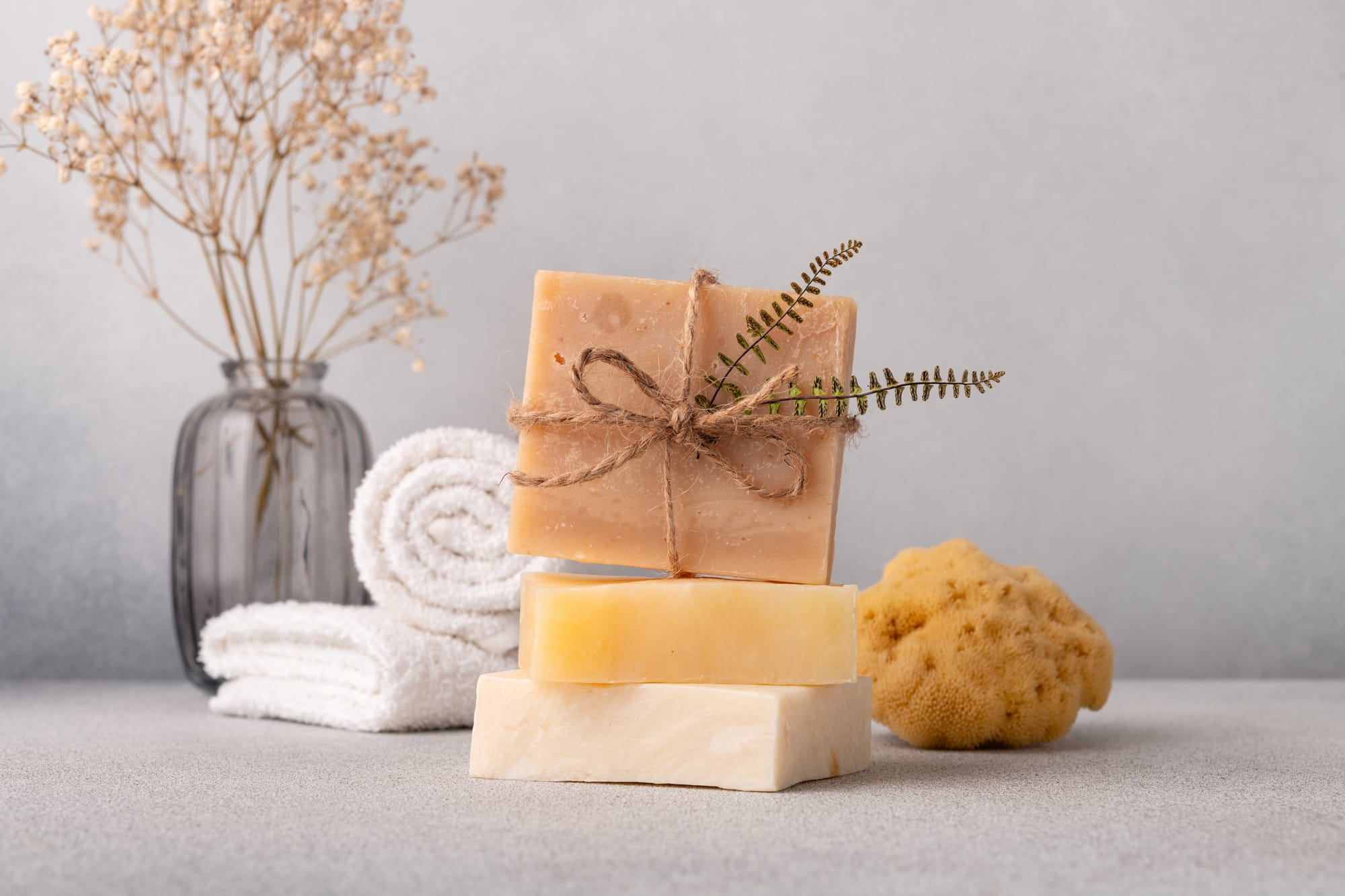
The best Australian skincare brands thrive because they commit to clean sourcing, gentle actives, and transparent processes that respect both skin and planet. Australian-made skincare has a strong reputation for short ingredient lists and fresh botanicals, giving sensitive skin less to react to and more to love.
At Aussie Tallow, these principles guide every product we create. From sourcing grass-fed tallow to keeping ingredient lists intentionally short, our approach reflects the standards Australians expect from truly clean, locally made skincare.
These labels also invite customers into their process, explaining why a specific lipid is chosen, why a preservative is necessary, and how a product will perform in a humid coastal city or a dry inland climate.
How the best australian skincare brands earn trust
Customers gravitate to the best australian skincare brands when they see consistent testing, honest claims, and direct explanations about every oil, butter, and extract. Brands that share farm origins for organic skin care australia and show third-party results reassure shoppers who want fewer synthetics and more skin balance. This openness also differentiates them from global beauty giants that hide behind marketing jargon and vague promises.
People want products that do what they say without overpromising. Trust grows when real before-and-after photos include lighting notes, when batch numbers link to lab tests, and when founders answer questions in plain language. This human touch keeps loyal buyers returning long after the first jar is empty.
Purity-first ingredient standards
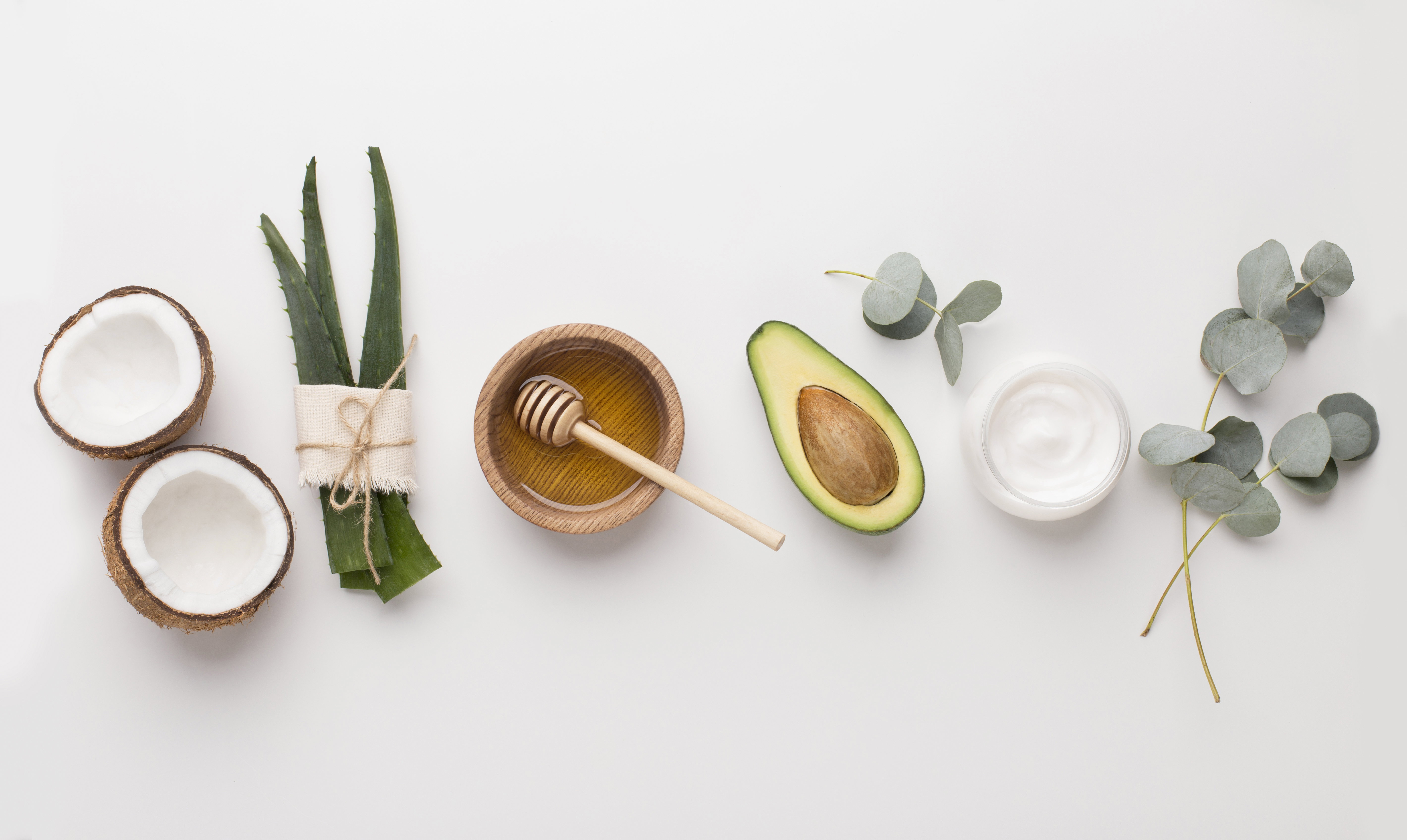
A core marker of australian made skincare is the insistence on grass-fed tallow, cold-pressed native botanicals, and low-heat methods that keep vitamins intact. For people seeking the best skincare products, fewer emulsifiers and no seed oils often mean happier barrier function. Australian teams also lean on minimal fragrances, letting the natural scent of waxes, clays, and hydrosols stand on their own.
When researching a balm or serum, check whether the lipid profile matches what your skin needs. Tallow mirrors human sebum and can pair well with jojoba or macadamia oil for glide without greasiness. Clay cleansers with kaolin and pink clay can clarify without stripping, especially when blended with honey or aloe for slip.
Transparency and ethical sourcing
Ethical skincare australia starts with traceable suppliers, documented batch testing, and public-facing quality checks. When a label details how beeswax was harvested, how zinc oxide was screened for heavy metals, or how tallow came from regenerative farms, trust builds quickly. In a world of opaque claims, a simple sourcing map can make or break a loyal customer base.
Do not hesitate to email brands for ingredient certificates or allergen statements. Most serious makers keep these on hand and are happy to share. If you see hedging or unclear answers, move on to a maker that posts data openly and updates it when formulas change.
Formulations made for sensitive skin
Many shoppers turn to sustainable skincare because conventional lotions left them reactive. Brands that formulate with whole-animal lipids, calming calendula, and slow-release niacinamide tend to soothe without sting. The best australian skincare brands also publish patch-test advice, note which serums are pregnancy-safe, and remind users to keep routines simple instead of chasing every trend.
If you flush easily, search for short INCI lists and avoid heavy essential oil loads. Balms built on tallow, chamomile, and cupuacu butter can cushion skin while blocking wind. A zinc oxide day cream can provide daily UV support without the film that many synthetic filters leave behind.
Packaging, refills, and footprint
Beyond formulas, the best australian skincare brands focus on glass jars, aluminum tubes, and cardboard outers to cut plastic waste. Some pilot refill stations or mail-back loops that clean and reuse containers. These steps matter to eco-minded buyers who want results and responsible packaging in one purchase.
When evaluating sustainable choices, consider the full path: where raw materials are shipped from, how factories manage water, and whether boxes are right-sized to avoid air. Transparent carbon reporting can guide you toward makers that match your values.
Testing, safety data, and shelf life
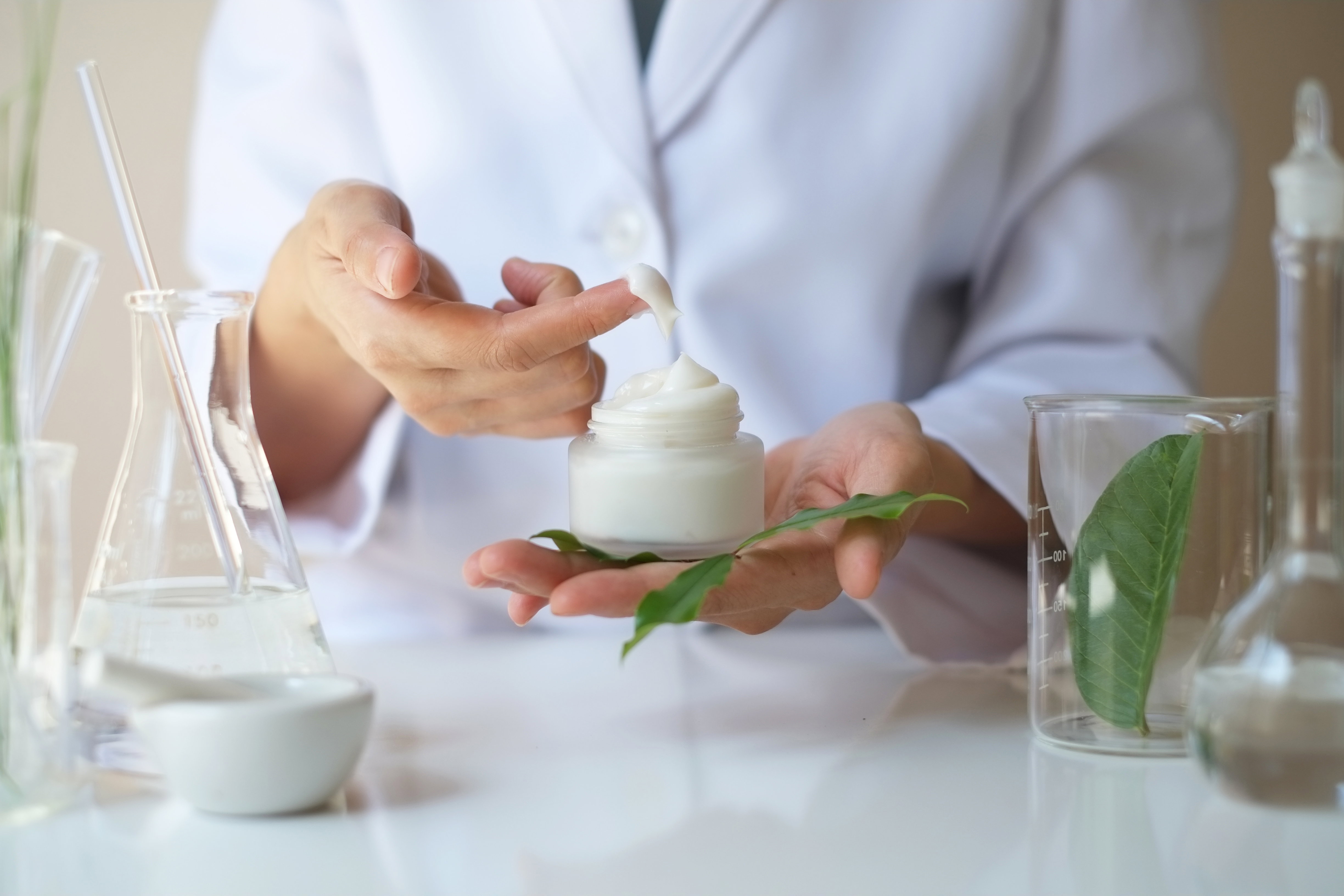
Responsible labels publish microbial tests, stability studies, and SPF validation when relevant. Australian made skincare often needs to withstand heat during shipping, so look for antioxidants, airtight pumps, or cool-storage guidance. A clear open symbol and batch code help you track freshness and avoid expired creams.
Certifications and labels that matter
Because terms like "clean" and "natural" are unregulated, third-party marks can help you decide. Look for cruelty-free seals, reef-safe confirmations on sunscreens, and organic certifications that actually audit farms and processors. The best australian skincare brands explain which standards they pursue and why, whether it is COSMOS, ACO, or simple in-house checklists.
Ingredient panels should be legible, with Latin names and plain-English translations side by side. If a product uses zinc, check that it is non-nano and paired with oils that help spread without a chalk cast. For balms, note the ratio of hard butters to soft oils so you know how they will melt on skin.
Price, value, and real results
A higher price does not always mean better results. Compare cost per milliliter and active concentrations, not just the outer box. The best australian skincare brands usually explain why a product costs more—maybe due to small-batch rendering of tallow or certified organic botanicals. When paired with repeatable results and service, that context makes the spend feel justified.
Sample routine to get started
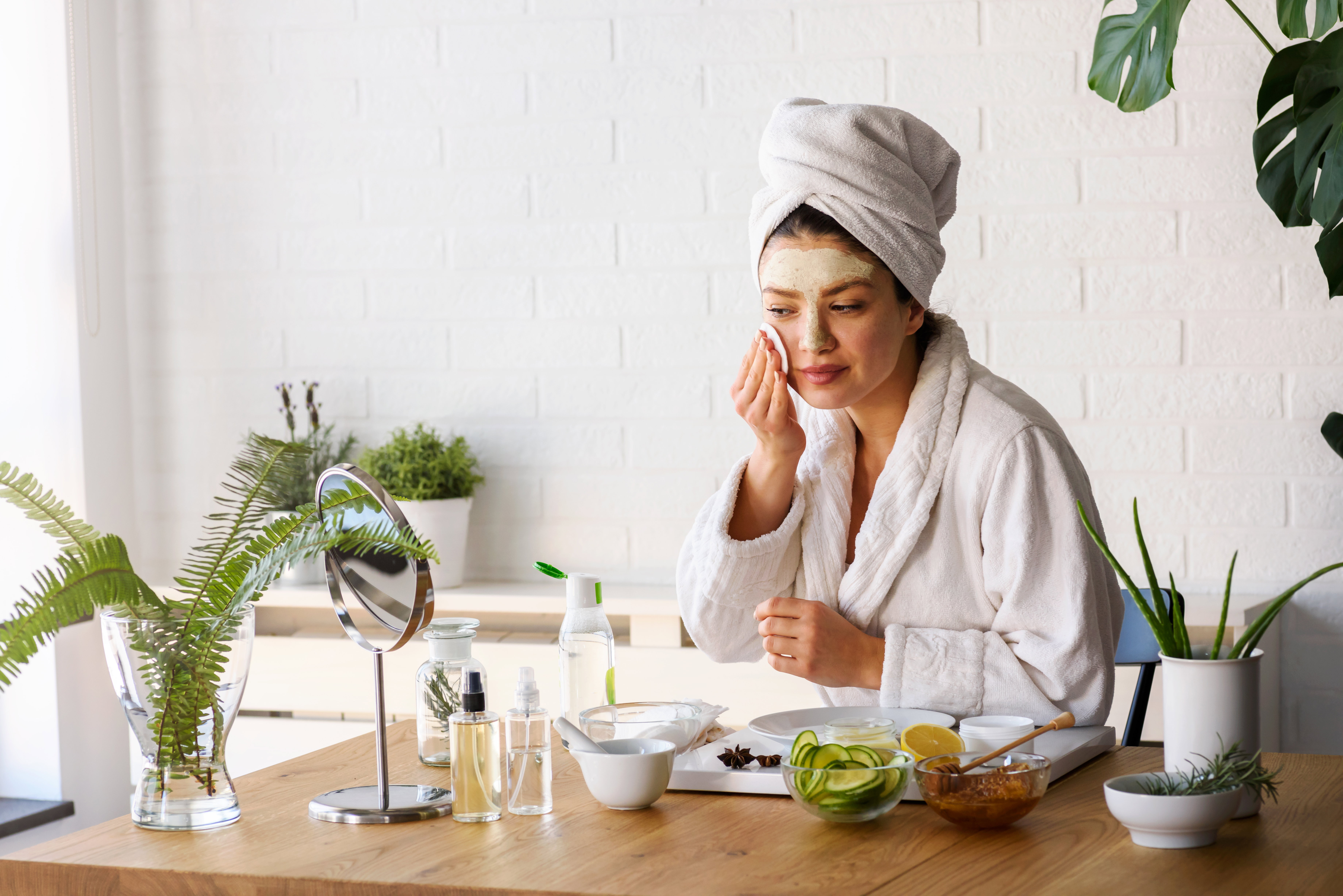
Morning: cleanse with a mild clay or milk cleanser, mist with hydrosol, apply a light tallow-based moisturizer, then finish with a zinc mineral block. Evening: cleanse, apply a cushiony balm, spot-treat with a gentle acid once or twice a week, and seal with a restorative cream. Keep it simple for two weeks so you can see how each product performs.
Where to shop and what to ask
Look for direct-to-consumer sites with clear ingredient breakdowns and shipping policies. Farmers markets and boutique apothecaries often feature australian made skincare with founder stories attached. Ask about return policies, patch-test samples, and whether the brand sizes for travel so you can test before committing.
Before buying online, read reviews from people with similar skin concerns and note how long they used a product. Keep a small patch-test kit ready so you can trial on your inner arm or behind your ear. Set a reminder to check in after two weeks to see if hydration, texture, or sensitivity have shifted.
Conclusion
The best australian skincare brands stand out by blending purity, traceability, and measured science so skin stays resilient. By choosing labels that share sourcing, test results, and thoughtful packaging, you build a kit that respects your skin and the land it comes from. Keep your routine focused on a few steady performers, and you will see calmer, clearer skin without unnecessary clutter.
FAQ
What makes Australian skincare different?
Local brands often use native botanicals, grass-fed tallow, and short ingredient lists that suit sensitive skin and warm climates.
How can I tell if a product is truly natural?
Look for full disclosure of every ingredient, batch testing, and clear sourcing for oils, waxes, clays, and minerals.
Do sustainable packaging choices affect product quality?
Glass and aluminum protect formulas while reducing plastic waste, and well-designed pumps still keep air and light out.