How to Choose a Baby-Safe Sunscreen: Zinc Oxide-Only and Non-Toxic Tips
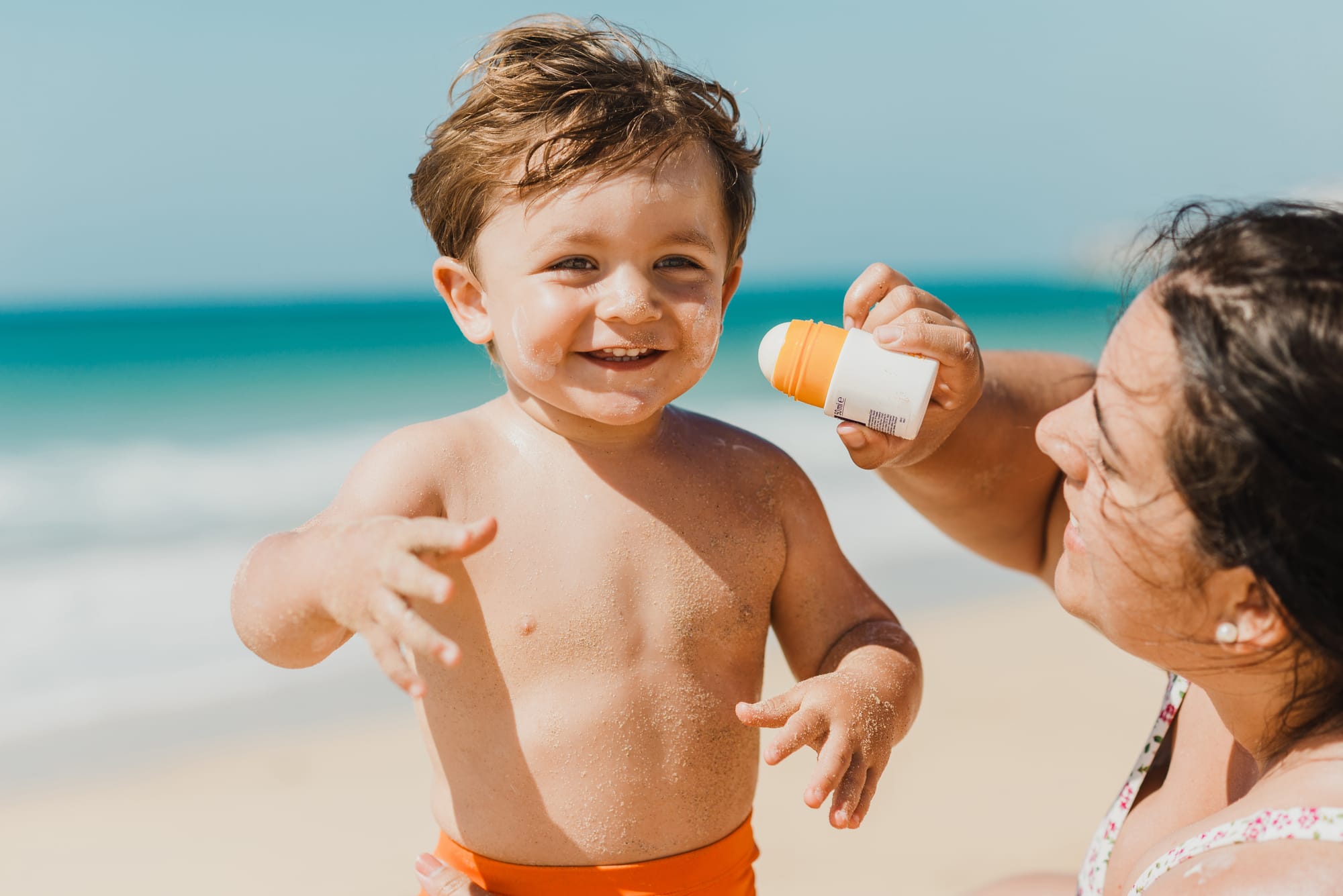
Baby safe sunscreen starts with mineral filters that sit on top of delicate skin instead of soaking in. The safest picks use non-nano zinc oxide, simple bases, and fragrance-free blends so newborn skin stays calm. This guide shows how to choose non toxic sunscreen, compare australian sunscreen brands, and avoid additives that can irritate tiny faces and hands. You will learn when to apply, how much to use, and how to pair sunscreen with shade and clothing. By following these steps, you can build a baby safe sunscreen plan that respects natural sunscreen australia standards and keeps outdoor days fun. We will also cover storage, expiration dates, and how to talk with pediatricians about specific products so you feel supported. Every section gives quick checklists you can share with caregivers so everyone applies sunscreen the same way.
What makes a baby safe sunscreen truly safe
Baby safe sunscreen relies on physical blockers like non-nano zinc oxide that reflect UV without penetrating the skin. Look for short ingredient lists with simple emollients and no added fragrance. Avoid chemical filters such as oxybenzone, octinoxate, or avobenzone, which can irritate or absorb into the bloodstream.
The best australian sunscreen for infants usually lists zinc first and keeps preservatives gentle and minimal. Choose lotions and creams over sprays to reduce inhalation risk, and check for reef-safe notes if you swim. If a product is marketed as natural sunscreen australia but lacks full ingredient disclosure, skip it until the brand shares clear data. When in doubt, email the maker and ask for particle size ranges, pH, and microbial test results before you commit. The best australian sunscreen brands often pair zinc with soothing bases like castor oil and avocado oil or tallow so the film stays soft on cheeks.
Reading labels and avoiding hidden irritants
Non toxic sunscreen should spell out every component, including carrier oils and stabilizers. Favor unscented formulas and avoid essential oils that can trigger reactions on newborn skin. Check that zinc oxide is coated to improve spread without adding silicone-heavy blends. Chemical free sunscreen claims should be backed by third-party testing or TGA registration numbers for australian made sunscreen. Scan for parabens, formaldehyde releasers, and nano-sized minerals; if they appear, keep looking.
The best australian sunscreen brands provide batch numbers and publish heavy metal and microbial tests so you can trust every tube. If you see unfamiliar botanical extracts, patch test on a caregiver first to ensure the blend is gentle enough for daily use. Remember that even natural sunscreen australia products can expire; note the date opened on each tube.
Application tips for newborns and toddlers
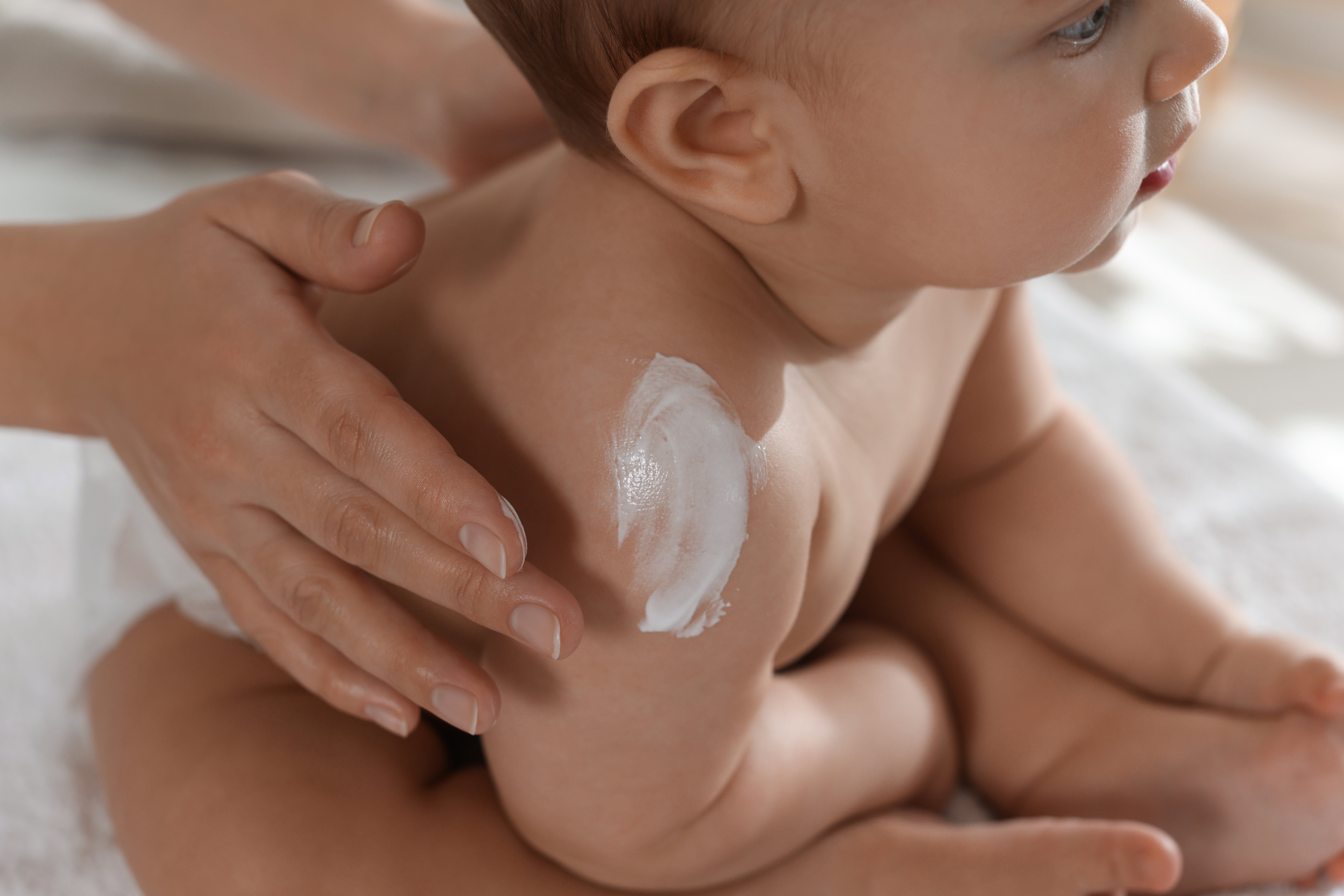
Apply baby safe sunscreen 15 minutes before going outside, using a pea-sized amount for the face and more for arms and legs. Dot and spread gently rather than rubbing hard to avoid friction on fragile skin. Reapply every two hours and after swimming, even with water-resistant labels. Pair sunscreen with hats, UPF clothing, and shade breaks so you rely less on product alone. For babies under six months, prioritize shade and clothing first, using non toxic sunscreen only on small exposed areas after a pediatrician approves. Keep a small diary of any redness so you can adjust products quickly. Make reapplication a calm moment: sing a short song, sit in the shade, and check hands so little ones do not rub eyes. If skin is dry, apply moisturizer first, wait five minutes, then layer sunscreen to avoid pilling.
Choosing formats and australian sunscreen brands
Lotions and sticks suit babies best because you control placement. Natural sunscreen for kids often comes in thicker textures; warm it between fingers before applying to reduce drag. Australian sunscreen brands that focus on zinc-only formulas typically publish particle size ranges and stability data, which helps you compare options. Avoid spray-on products for babies to minimize inhalation and uneven coverage.
If you need a travel option, pick a solid stick with zinc oxide and simple oils, and store it away from heat to prevent melting. Check expiration dates and choose australian made sunscreen so you know manufacturing standards and climate testing match your environment. Many australian sunscreen brands also share beach and pool testing results, which can guide you toward products that resist rinse-off without heavy waxes. Select packaging with secure caps so little hands cannot open tubes easily during play.
Outdoor routines and troubleshooting
Pack baby safe sunscreen next to wipes and a change of clothes so reapplication is easy. Use a timer to remind yourself when two hours have passed. If a formula leaves a white cast, blend a tiny amount with your moisturizer in your palm to thin it without reducing SPF noticeably. Should a rash appear, rinse with cool water, switch to shade, and consult a pediatrician before trying another product.
Track which Australian sunscreen brands your baby tolerates best, and keep a backup tube in the car for spontaneous trips. Consistency matters more than novelty; stick with one non toxic sunscreen that works and reorder before it runs out. Replace opened products each season to avoid degraded filters and to keep textures smooth. Make a small checklist in your diaper bag—hat, water, wipes, baby safe sunscreen—so every outing stays predictable. Remember lips and ears; apply a tiny amount there or use a baby-safe zinc stick designed for sensitive areas.
Building a non toxic sunscreen plan you can trust
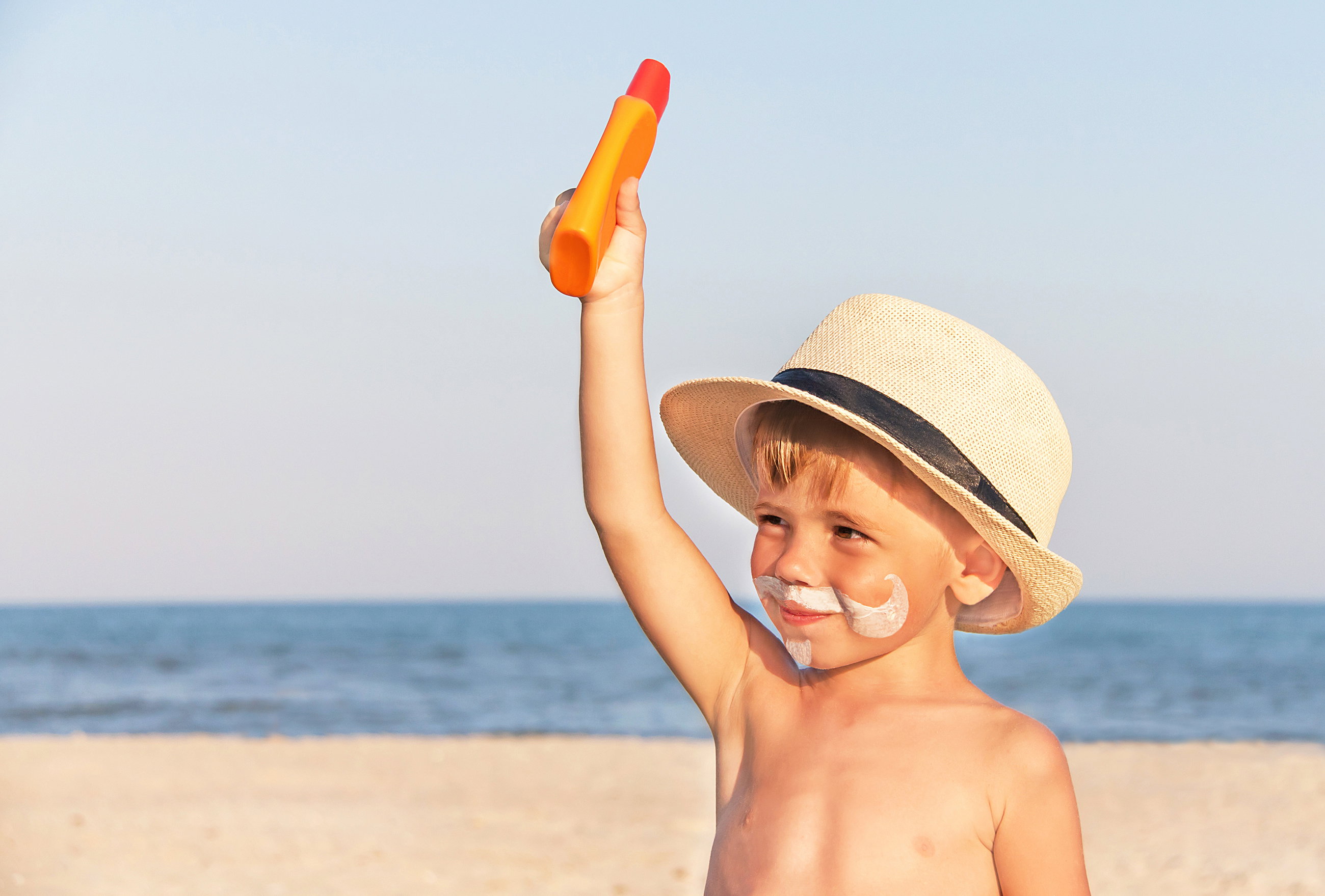
Safe baby sunscreen protects tiny skin when paired with shade, hats, and calm routines. Choose zinc oxide-only formulas from australian made sunscreen brands that publish testing, avoid fragrance, and keep ingredient lists short. Start with small areas, reapply often, and note any reactions so you can stay with the products that work.
Store tubes in a cool bag, set reminders, and rotate sunscreen with protective clothing to keep coverage reliable. Share your favorite non toxic sunscreen with caregivers so everyone applies the same trusted product. Talk with pediatricians annually to confirm products still fit your child's age and activity level. Keep a labeled backup tube in your stroller and car so you never miss a reapplication. Share these steps with grandparents and sitters so routines stay consistent. With a steady plan, outdoor time stays joyful and safe for every family member.
FAQ
Should I use sunscreen on babies younger than six months?
Pediatricians often recommend shade and clothing first for babies under six months. If exposure is unavoidable, apply a tiny amount of baby safe sunscreen with non-nano zinc oxide to small areas after medical guidance, and rinse off once indoors. Keep trips short and prioritize shade.
What SPF should a baby safe sunscreen have?
Choose SPF 30 or higher with broad-spectrum coverage. Higher SPFs can help if application is uneven, but still reapply every two hours for consistent protection and after swimming, sweating, or heavy drooling.
How do I remove zinc-based sunscreen gently?
Use a soft cloth with lukewarm water and a mild cleanser or oil to lift zinc oxide without scrubbing. Pat dry and follow with a simple moisturizer to keep the barrier calm overnight, and watch for any leftover residue near the eyes.