Tallow Soap with Raw Milk: Why Traditional Ingredients Are Better for Your Skin
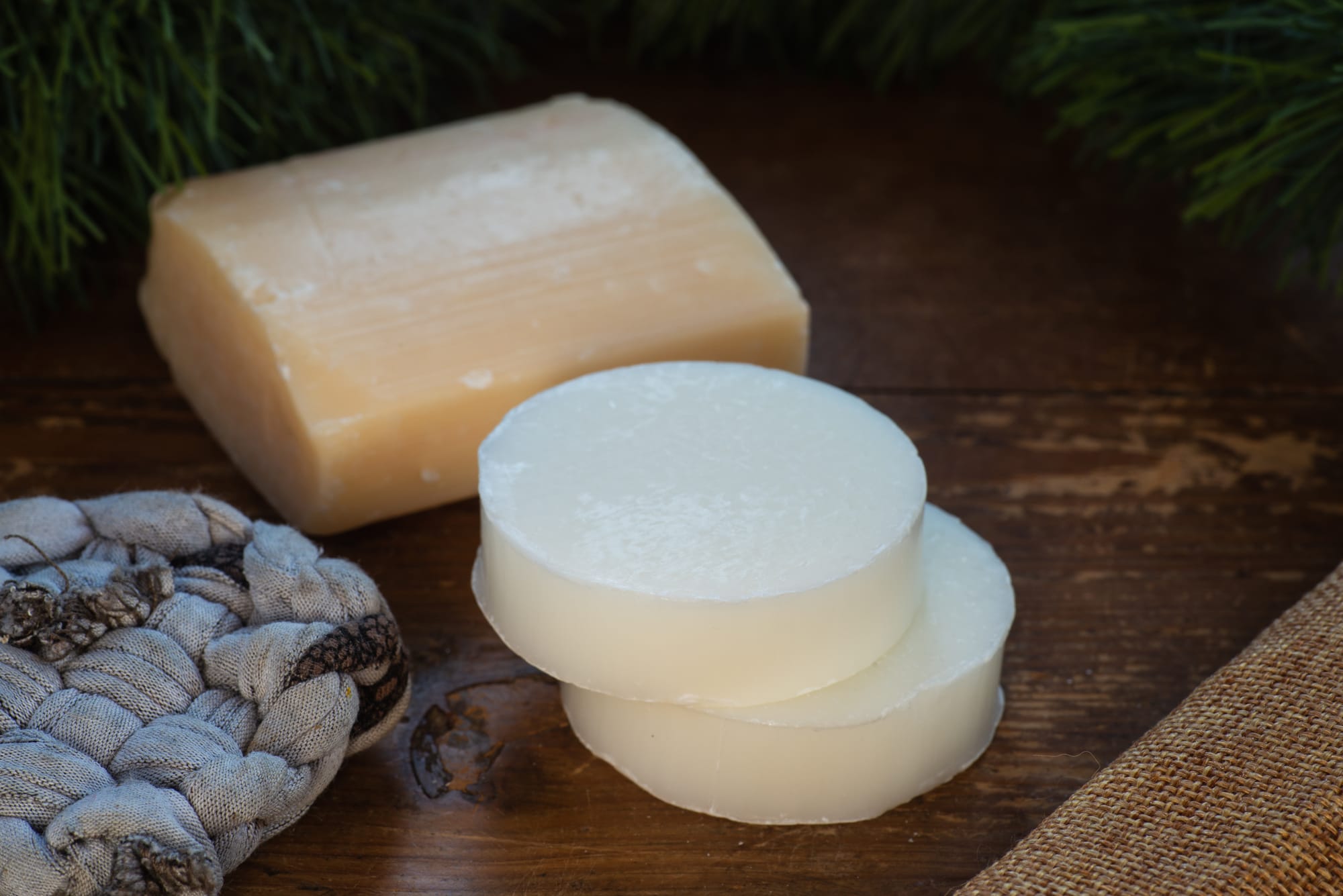
Tallow soap used to be a farmhouse staple, and it is gaining new fans because it cleans without stripping.
When you combine grass-fed beef tallow with raw milk, you get a bar that respects the acid mantle, rinses clean, and leaves skin feeling conditioned instead of squeaky. This guide explains how to choose or make the right bar, where tallow skincare fits in a modern routine, and how to handle sensitive conditions such as eczema while you switch. You will also learn basic safety tips for home soap curing, how to store bars so they do not melt in humid bathrooms, and how to layer other products with tallow without overdoing it. We will cover scent options too, so your tallow-soap feels like a treat rather than a compromise.
Why Tallow Soap Belongs in Modern Bathrooms
Traditional tallow soap brings a dense, creamy lather that lifts grime without relying on harsh surfactants. Because the fatty acid profile of tallow resembles your skin's own oils, it rinses without leaving a tight film.
The simplicity helps people who want to avoid fragrance mixes, petroleum derivatives, and unstable seed oils. It also pairs well with leave-on products like tallow balm, creating a cohesive tallow skincare lineup that makes each step reinforce barrier health. If you have struggled with squeaky-clean bars that leave skin flaky, this old-fashioned formula is a practical upgrade. A single bar of quality tallow soap can last weeks longer than vegetable oil bars, so the switch saves money while elevating results.
Grass-Fed Tallow and Raw Milk Benefits
Grass-fed beef tallow supplies vitamins A, D, E, and K, which support elasticity, while raw milk brings lactic acid for gentle exfoliation and calcium for firmness.
Together they create a bar that is naturally creamy and mildly acidic, so it works for both face and body. When you choose tallow soap made with these ingredients, you are choosing a cleanser that feeds the skin instead of stripping it. Raw milk also adds short-chain fatty acids that can calm redness, and the natural sugars help the bar keep a soft lather without synthetic stabilizers. This balanced chemistry is what makes tallow soap a gentle pick for kids and adults alike. If you are curious about pH, most well-cured soap lands in a mildly alkaline range that still respects the acid mantle when followed with moisturizer.
How to Use Tallow Soap in a Routine
Use lukewarm water to wet the bar, build a soft lather in your hands, and press the foam onto the face instead of dragging the bar across skin. Rinse fully and follow with a tallow balm or moisturizer while skin is damp.
If you double cleanse, keep a gentle oil for makeup removal, then use tallow soap second for a balanced finish. This keeps the routine short and effective while supporting the barrier for the rest of the day. Twice a week you can let the lather sit for thirty seconds on areas with congestion, then rinse; the lactic acid from raw milk will give a mild polish without abrasion. Always pat dry with a clean towel rather than rubbing to keep the skin surface calm for your next steps.
Selecting and Storing Tallow Soap
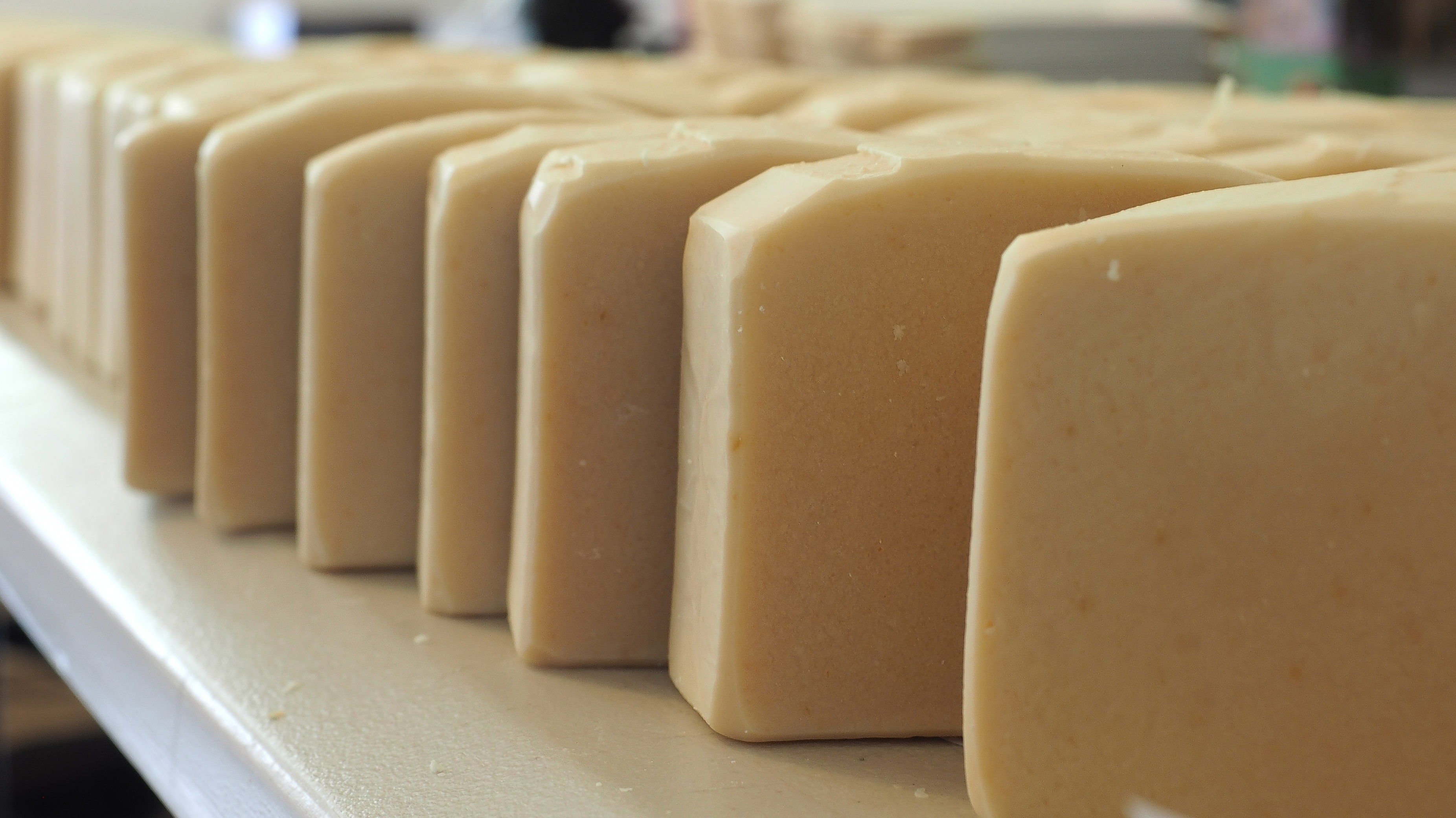
Look for bars that list grass-fed tallow near the top of the ingredient list and use essential oils sparingly. Avoid bars that add heavy seed oils back in, because they defeat the purpose of using the soap in the first place.
Let the bar dry on a slotted dish between uses so it lasts longer, and store backups in a cool, dry drawer away from sunlight. Aussie Tallow keeps scents subtle and publishes sourcing so you know exactly what is touching your skin. If you make your own, wear gloves, measure with a digital scale, and follow a reliable tallow soap recipe so lye and fats balance properly. Label curing dates on homemade bars so you know when they are safe and mild enough for face use.
Addressing Sensitive Conditions
People managing eczema, dermatitis, or breakouts need to keep routines predictable. Tallow soap is often better tolerated than detergent bars because it leaves behind a thin layer of nourishing fats. Patch test on the inner arm for three days, then move to face use.
If you need spot care, follow with a plain tallow balm and skip new actives until your skin settles. Grass-fed beef tallow and raw milk make a calm foundation that lets other targeted products work more effectively. If irritation pops up, shorten showers, avoid very hot water, and add a humidifier so your skin stays hydrated while you reassess the routine. Keeping one consistent better tallow soap in the shower and at the sink reduces the risk of accidental ingredient overload.
Conclusion: Reach for Tallow Soap First
If your cleansers leave you dry or reactive, swapping to tallow soap is a low-effort way to reset. It clears daily buildup, respects the skin barrier, and pairs with other tallow skincare staples like balm or body butter. Start with one grass-fed bar from Aussie Tallow, note how your skin feels after a week, and keep the routine simple so you can enjoy the traditional benefits every day.
Set a reminder to replace your bar every few months and to clean your soap dish weekly to prevent bacterial buildup. Snap a before-and-after photo at the start and after thirty days so you can see how this soap supports calmer, clearer skin. Share your findings with your dermatologist so future appointments focus on fine-tuning rather than troubleshooting dryness. If a friend needs a gentler cleanser, gift them a bar so they can experience the difference firsthand.
FAQ
Can tallow soap work for oily or acne-prone skin?
Yes. Because tallow is structurally similar to human sebum, it can help balance oil production. Use a small amount with lukewarm water, rinse well, and follow with a light tallow moisturizer to avoid pore congestion. If you are very acne-prone, rotate in a salicylic acid serum on alternate nights while keeping the rest of the routine gentle. Always keep a clean washcloth on hand so you are not rubbing old bacteria back onto your face.
What makes grass-fed tallow better than regular tallow?
Grass-fed beef tallow carries a richer spectrum of vitamins and omega fats and avoids potential residues from grain-fed operations. That quality makes the finished tallow soap more nourishing and stable. It also tends to have a milder scent, which is helpful if you are sensitive to fragrances.
Do I need a separate bar for face and body?
Not usually. A well-formulated tallow soap with raw milk can handle both as long as the scent load stays light. If you wear heavy makeup, keep an oil cleanser for the first step and use the tallow bar second. You can also keep a fresh bar in a travel tin to avoid cross-contamination when you are on the go.