How Tallow Fits into Modern Natural Skin Care Routines
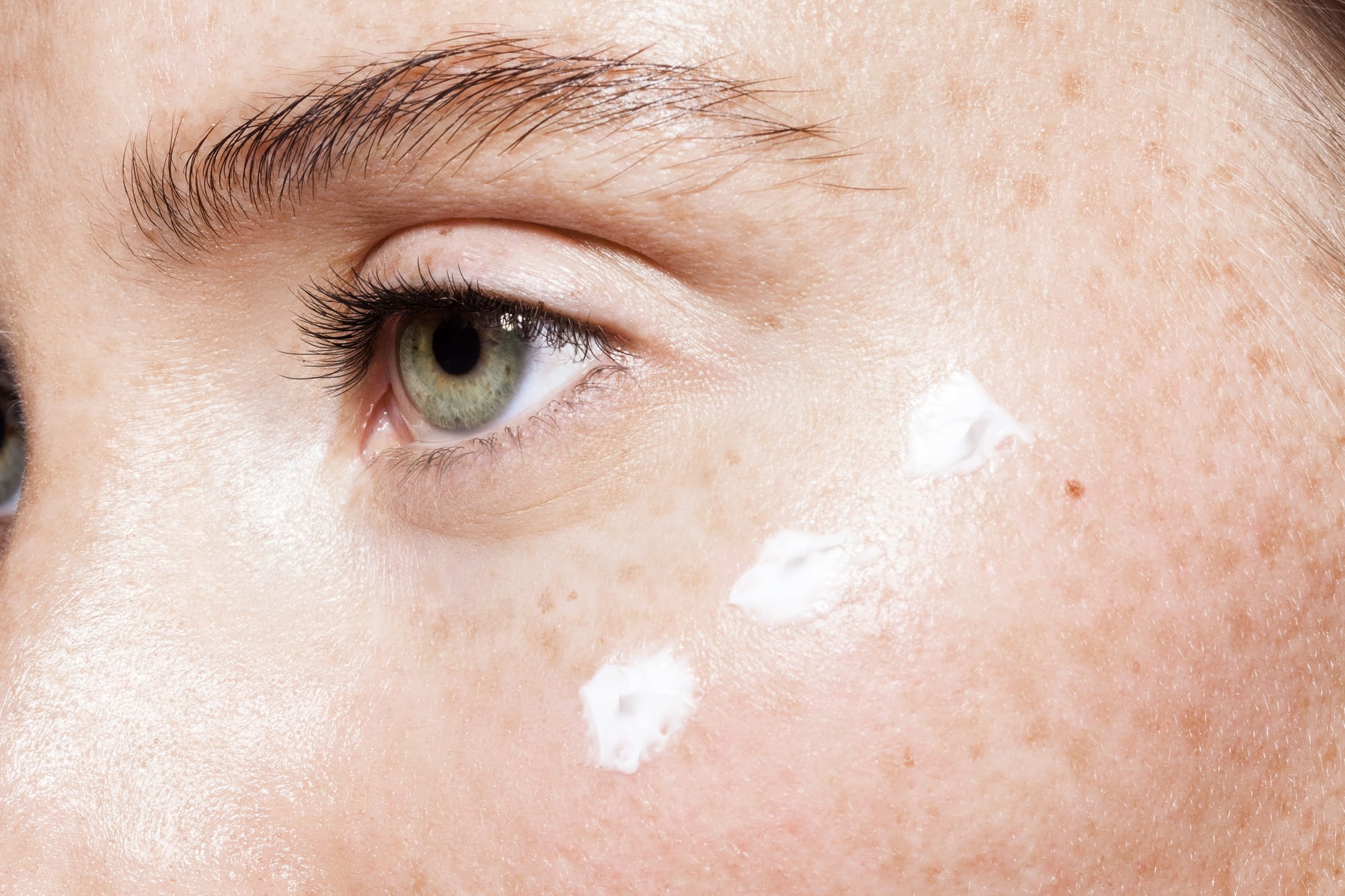
Tallow for skin care has moved from farm kitchens to dermatology chats because it mirrors the fatty acids in human sebum. Grass fed beef tallow holds vitamins A, D, E, and K, giving dry or compromised skin steady nourishment without seed oils. Modern makers blend tallow skin care with hydrosols or botanical oils to keep textures light and comfortable in daily use. People with sensitive or eczema-prone skin often report fewer flare-ups once they swap seed oils for balanced tallow skincare.
This article shows how to use tallow for skin care in a routine that respects lab hygiene, patch testing, and sustainability. You will see when to choose a tallow face cream, when to reach for a tallow balm, and how to cleanse with tallow soap without stripping. With these steps, tallow for skin care fits neatly into busy, modern life while keeping your barrier calm.
Why tallow for skin care works with the skin barrier
Tallow for skin care works because its lipid profile matches what the skin already produces. Beef tallow skin care is rich in palmitic, stearic, and oleic acids that cushion the barrier and reduce transepidermal water loss without feeling greasy.
Grass fed beef tallow also carries antioxidants and fat-soluble vitamins that support repair after sun or wind exposure. When you pick a tallow skin care product, look for clean rendering methods, low-heat processing, and no added seed oils so the natural profile stays intact. A well-made tallow face cream should melt at body temperature, spread smoothly, and absorb within minutes, proving it is balanced for modern routines. Because its fatty acid mix is close to human sebum, it can pair with ceramides and cholesterol in the stratum corneum, improving flexibility and resiliency. Many people who react to seed oils find that tallow for skin care brings calm within a week because it avoids high linoleic loads and unnecessary fragrance.
Sourcing and rendering grass fed beef tallow
Quality sourcing makes or breaks beef tallow skin care. Ask whether the tallow balm or tallow face cream uses grass fed beef tallow from farms that avoid antibiotics and prioritize regenerative grazing. Rendering should happen at lower temperatures to preserve vitamins and minimize oxidation. Ethical makers often render in small batches, filter multiple times, and test for microbes, heavy metals, and rancidity before blending. They also document when tallow was rendered and how long it was stored before mixing, giving you a clear timeline from pasture to jar.
Look for brands that certify suppliers, keep lot numbers on every label, and rotate stock within six months so you always receive fresh, stable tallow skincare. Trusted makers will share photos or videos of the rendering process and explain why they chose a particular filter or storage temperature, adding confidence to every purchase.

Building a balanced tallow skin care routine
Start simple: cleanse with a gentle wash, mist with hydrosol, then use a pea-sized amount of tallow for skin care to seal moisture. During the day, layer a light tallow face cream before zinc sunscreen; at night, switch to a richer tallow balm on damp skin.
Two or three times per week, pair skin care tallow with a humectant serum so hydration stays balanced. Because tallow skincare is occlusive, less is more; massage in for thirty seconds to improve absorption. If you wear makeup, choose a cleansing tallow soap for the first cleanse, followed by a mild milk cleanser to keep pores calm. Keep a simple tracker of AM and PM steps so you can see when tallow for skin care delivers the best texture and glow for your schedule.
Comparing tallow face cream, tallow balm, and tallow soap
Each format supports a different need. A tallow face cream blends tallow with lighter oils for daytime glide, while a tallow balm uses a higher tallow percentage for night repair. Beef tallow skin care in soap form works when superfatting is calibrated to leave a light cushion instead of tightness. Choose tallow soap with added clays or oats if you want mild exfoliation, and avoid heavy fragrance that can clash with the natural profile.
Rotate formats seasonally: lighter cream in humid months, richer balm in winter, and a soft tallow soap year-round for balanced cleansing. Mix and match: a light tallow face cream under makeup, a balm as an overnight mask, and a simple tallow soap after workouts to reset sweat-prone skin. If you travel, decant small portions into tins so you can keep the same routine on the road without relying on products that upset your barrier.
Safety, testing, and storage for tallow skincare
Even natural products need smart testing. Look for brands that run microbial panels, peroxide value checks, and stability studies on every batch of tallow skin care. Ask whether they use vitamin E, rosemary extract, or airtight pumps to slow oxidation. Store your tallow balm or tallow face cream away from heat and direct sun, and use clean fingers or a spatula to prevent contamination.
If your skin is reactive, patch test on the inner arm for three days, then roll out to the face to confirm compatibility before full use. Check products monthly for scent or texture changes; if you notice a crayon smell or graininess, it may be time to replace the jar. Mark the open date on each container and aim to finish within six months so the fatty acids stay stable and effective.
Making tallow for skin care part of modern habits
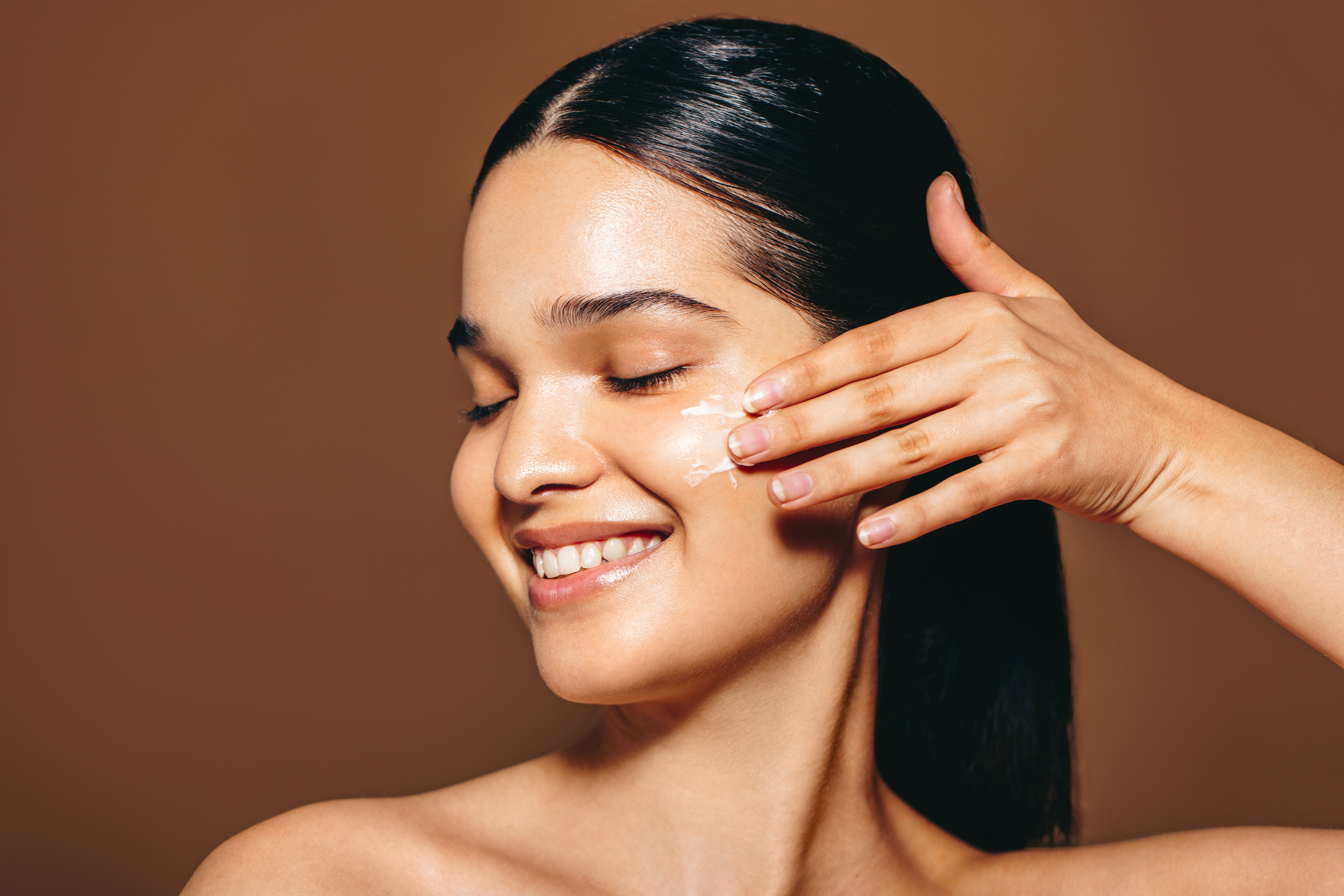
Tallow for skin care fits modern routines because it mirrors skin biology and supports barrier health. Choose grass fed beef tallow with clear lab tests, start with small amounts, and track how your skin responds over two weeks. Rotate between tallow face cream for day and tallow balm for night to match climate and activity. With mindful sourcing, storage, and gentle layering, tallow skincare delivers calm skin and a simple routine that respects time and the planet. Keep notes on which products absorb fastest, which pair best with sunscreen, and how your skin feels after travel so you can keep refining your modern ritual. Share what you learn with friends who want tallow for skin care so they can avoid trial-and-error and enjoy balanced skin sooner.
Return to brands that update lab results and keep ingredients minimal so your routine stays trustworthy year after year. Celebrate small wins as your barrier stays calm and your routine stays simple.
FAQ
Is tallow for skin care safe for oily or acne-prone skin?
Yes, when used sparingly. Tallow for skin care is non-comedogenic for many people, but patch test and start with a light tallow face cream to see how your skin responds.
What makes grass fed beef tallow better for skin?
Grass fed beef tallow typically has a more balanced fatty acid profile and higher vitamin content. That makes beef tallow skin care more nourishing and stable than feedlot alternatives.
How do I prevent tallow skincare from feeling heavy?
Use a pea-sized amount, warm it between fingers, and apply to damp skin. Pair tallow skin care with hydrosols and lightweight serums so absorption stays smooth.