Organic Skin Care in Australia: Spotting Real Labels vs. Greenwashing
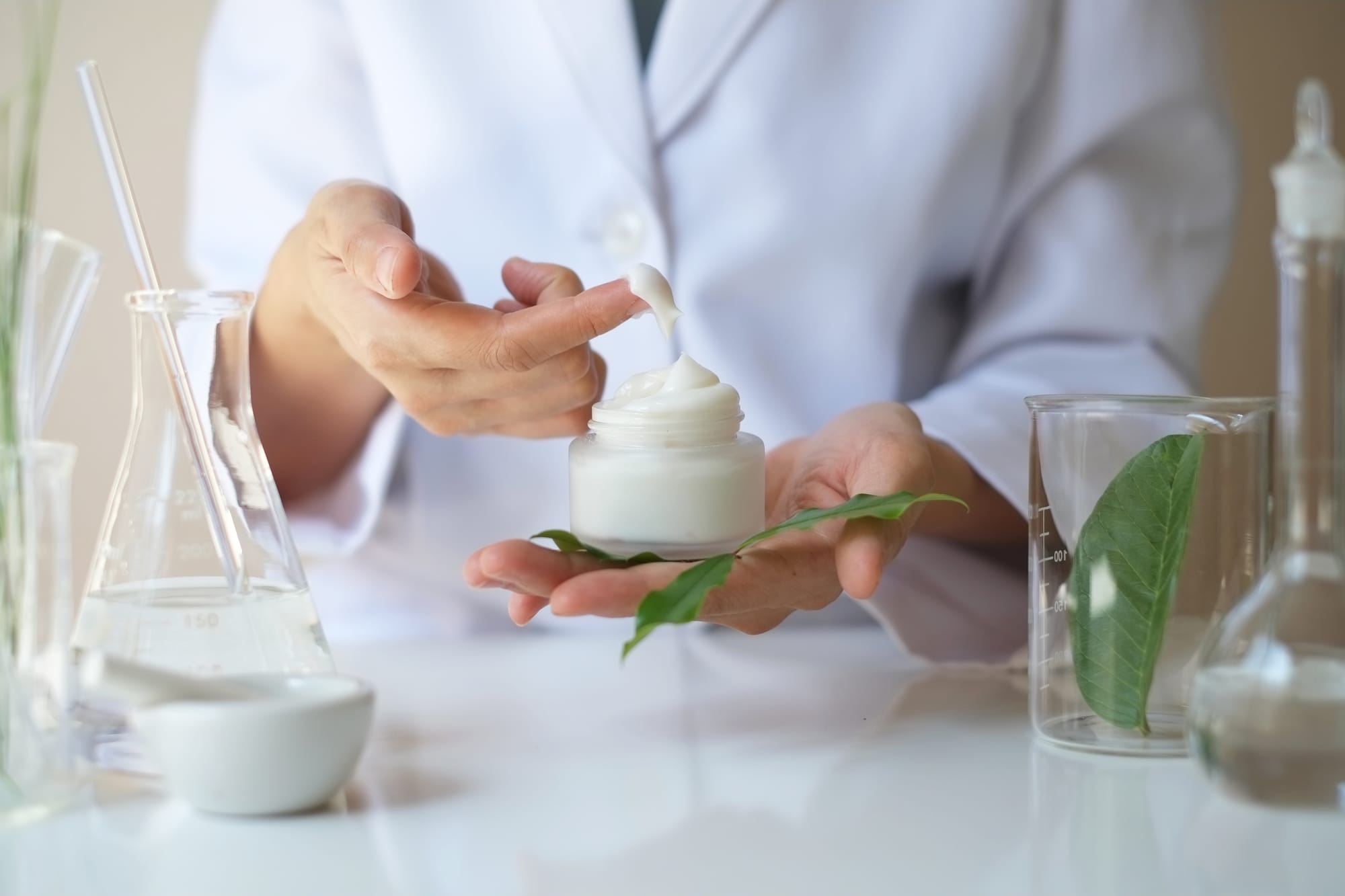
Organic skin care Australia shoppers face crowded shelves of claims. Learning to read labels and certifications helps you avoid greenwashing and pick genuinely clean products. Grass fed tallow, certified botanicals, and transparent sourcing are reliable signals. Taking a few minutes to verify these details saves money and keeps your routine focused on products that actually deliver.
This article explains how to check claims, which certifications matter, and how to build a routine with organic, locally made products. You will also learn when "natural" is not enough and how to store organic formulas for maximum freshness.
What "organic" should mean on labels
True organic skin care Australia products list certified ingredients and show which percentage is organic. Look for clear references to certifying bodies and batch numbers. If a label uses "organic" loosely without details, be cautious.
Animal-derived ingredients like grass fed beef tallow should note the farm source and feeding standards. Plant oils should list Latin names and whether they are cold-pressed or refined. If water is the first ingredient, check what percentage of the remaining formula is actually organic. Clarity on percentages helps you compare products fairly and avoid paying for weak claims.
Red flags for greenwashing
Vague phrases like "all natural" without supporting data, long synthetic fragrance lists, and no sourcing information are warning signs. If most ingredients are generic "proprietary blends," request more detail or skip the product.
Ethical skincare Australia brands usually publish COAs or lab tests. If you cannot find them, move on to a brand with clearer transparency. Look skeptically at excessive eco imagery on packaging without matching detail on sourcing or percentages.
Choosing tallow and botanical bases
A balanced routine can include tallow skin cream for barrier support and organic plant oils for antioxidants. Pair an organic natural soap Australia bar with a simple tallow balm to keep cleansing gentle. Add one active at a time—like vitamin C or niacinamide—in clearly labeled strengths.
Keep routines short so you finish products before they expire. Organic formulas often have fewer preservatives, so store them cool and dry. If you like scents, choose essential oils with known safety data at low percentages, and patch test before full use.
Certifications and sourcing to check
Look for recognized Australian or international organic certifications. Check whether the brand lists farms, harvest dates, and processing methods. For tallow-based products, ensure the maker discloses rendering methods and pasture sourcing.
If you buy online, choose brands that ship in glass or metal and use paper packing instead of plastic filler. When certifications are absent, look for batch testing and supplier declarations as a minimum. Do not hesitate to email brands; reputable makers often share lab reports on request. Use a note labeled "organic skin care Australia" to track which makers provide the best documentation.
Building an organic, local routine
Start with three essentials: a certified organic cleanser or soap, a tallow balm or skin cream with disclosed sourcing, and a mineral sunscreen. Add one treatment product, testing it for two weeks before adding another. Track expiration dates and finish open items before purchasing more.
Support australian made skincare where possible to keep products fresh and reduce shipping impact. Simplifying your kit helps you spot which products genuinely help and prevents waste. If budgets are tight, prioritize organic leave-on products like moisturizers and oils, and use a simple non-organic but gentle cleanser to balance costs.
Storage, usage, and shelf life
Keep organic products away from humidity and heat to slow oxidation. Use clean, dry tools to scoop balms and close lids tightly after each use. If a product changes smell or texture, retire it and replace with a fresh jar.
Note open dates on labels and set reminders three months out for products with shorter shelf lives. Buying smaller sizes more often can be more sustainable than discarding half-used jars that expired. If you share products with family, label names on jars to track who opened what and prevent multiple open containers of the same item.
Creating a verification habit
Before purchasing, scan for certification logos, then read the back label to confirm percentages and farm names. Save screenshots of ingredient lists and batch details in a note so you can compare future purchases. After trying a product for two weeks, jot down how it performed; this record keeps you from rebuying items that underperformed.
Ask brands how they handle returns or reactions. A clear customer care policy is a good signal that the company stands behind its organic claims and quality control.
Budgeting for organic essentials
Prioritize organic skin care Australia basics that stay on the skin, like moisturizers and oils. For cleansers, a gentle non-organic option can balance costs while you focus spend on leave-on steps. Compare cost per milliliter and expected usage to avoid buying more than you can finish before expiry.
If you like trying new items, buy the smallest size first and rotate through open products one at a time. This keeps your routine efficient and prevents half-used jars from expiring in the cabinet.
Common myths about organic skincare
Myth: organic skin care Australia products are always gentler. Reality: essential oils and botanicals can still irritate; patch testing matters.
Myth: organic means preservative-free. Reality: safe, mild preservatives may still appear to keep products stable.
Myth: all natural equals organic. Reality: without certification or sourcing details, "natural" can be pure marketing. Ask for specifics so you buy products that match both your values and your skin's tolerance.
Myth: organic always costs more. Reality: concentrated balms and oils often last longer, and buying smaller sizes reduces waste and total spend.
Conclusion: Buy organic with confidence
Organic skin care in Australia should be transparent, certified, and effective. By reading labels closely, verifying sourcing, and keeping your routine simple, you avoid greenwashing and get better results. Start with one certified cleanser and one tallow skin cream from a transparent maker, and expand slowly.
Your skin—and your budget—will benefit from the clarity. Keep a shortlist of trusted organic skin care Australia brands so reorders are quick and aligned with your standards. Update that list twice a year as you learn which formulas stay stable and which brands keep improving their transparency.
FAQ
Do all organic products need certification?
Certification helps verify claims, but some small makers provide full sourcing and lab tests instead. Look for specifics—farms, batch numbers, and processing methods—before buying.
How should I store organic balms and oils?
Keep them cool, dry, and away from direct sun. Use clean hands or a spatula to avoid introducing water that can shorten shelf life.
Can organic products expire faster?
Often yes, because they may use fewer preservatives. Buy in sizes you can finish within six to twelve months and note open dates on the container.