How Natural Skin Repair Creams Help Restore Damaged or Irritated Skin
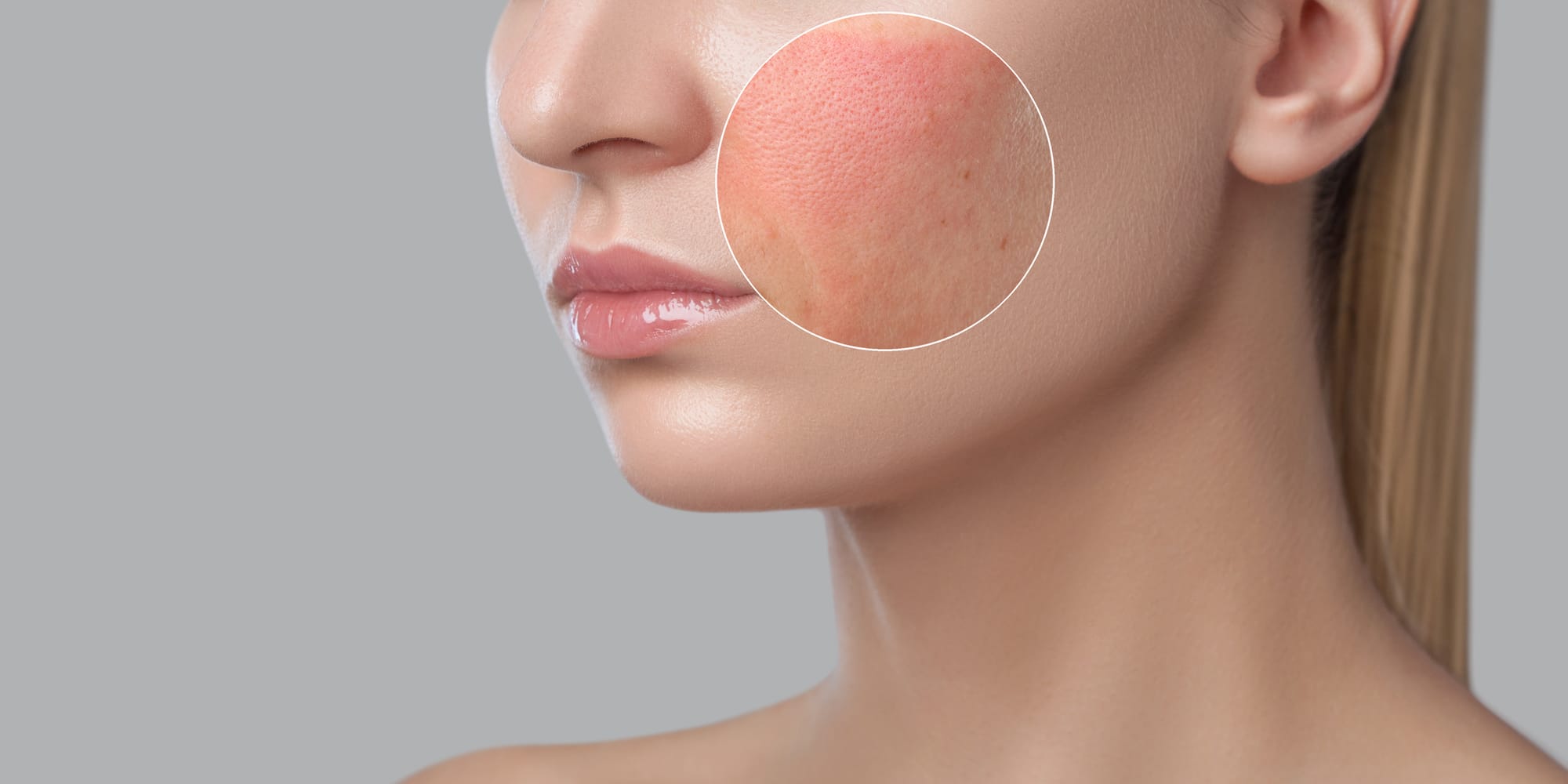
Finding a skin repair cream that seals cracks without burning is a hurdle for sensitive skin. A blend that mirrors the skin's own lipids, such as grass fed beef tallow enriched with a touch of plant oils, can rebuild the barrier while it calms.
This guide explains what to expect from a beef tallow moisturizer, how to layer it within a simple skincare routine, and where alternative ingredients fit if you prefer vegan or lightweight finishes. You'll see the difference between sealing moisture and feeding the barrier, plus how to avoid common triggers in everyday products. The aim is to give you a predictable, repeatable plan so irritated cheeks, hands, or elbows can recover faster.
What makes a good skin repair cream
A repair cream should do two things at once: stop water from leaking out and feed the barrier with fatty acids it recognizes. Grass fed beef tallow contains stearic and palmitic acids that mirror the skin's own structure, so it cushions micro-cracks instead of sitting on top like plastic wrap.
Adding humectants such as glycerin underneath lets the cream pull in and hold water before the tallow layer seals it. Some formulas mix in niacinamide to support resilience and calm redness. If your skin stings easily, skip perfumes, dyes, and strong exfoliants in the same routine. Calming botanicals like oat, chamomile, or calendula can complement tallow balm, but keep the ingredient list short to avoid surprises. A good test is whether a pea-size amount spreads smoothly without shine and stays comfortable for at least four hours. When a product meets those marks, it's likely a fit for daily use, not just emergency days. If you prefer a lighter finish, a whipped tallow face cream may feel softer while still performing the same repair work.
How to layer your barrier routine
Layering determines whether your repair cream delivers its full benefit. Start with a gentle, creamy cleanser or just tepid water in the morning to avoid stripping oils. Apply a hydrating mist or serum, then wait until the surface feels slightly tacky. Press the skin repair cream into the driest zones-cheeks, around the nose, or knuckles-using clean fingertips, then spread any excess across the rest of the face or hands. If you use actives like vitamin C or azelaic acid, let them sink in for five to ten minutes before sealing with tallow balm or beef tallow moisturizer.
In the evening, the same order applies, with sunscreen swapped for a final occlusive layer if you need extra protection overnight. Keep exfoliation light during recovery: once a week may be enough. That spacing keeps the barrier calm while still clearing buildup, so your restorative cream can do its job. When you treat it like a skin moisturizer for sensitive skin and keep the rest of the skincare routine minimal, results come faster.
Comparing soothing cream options
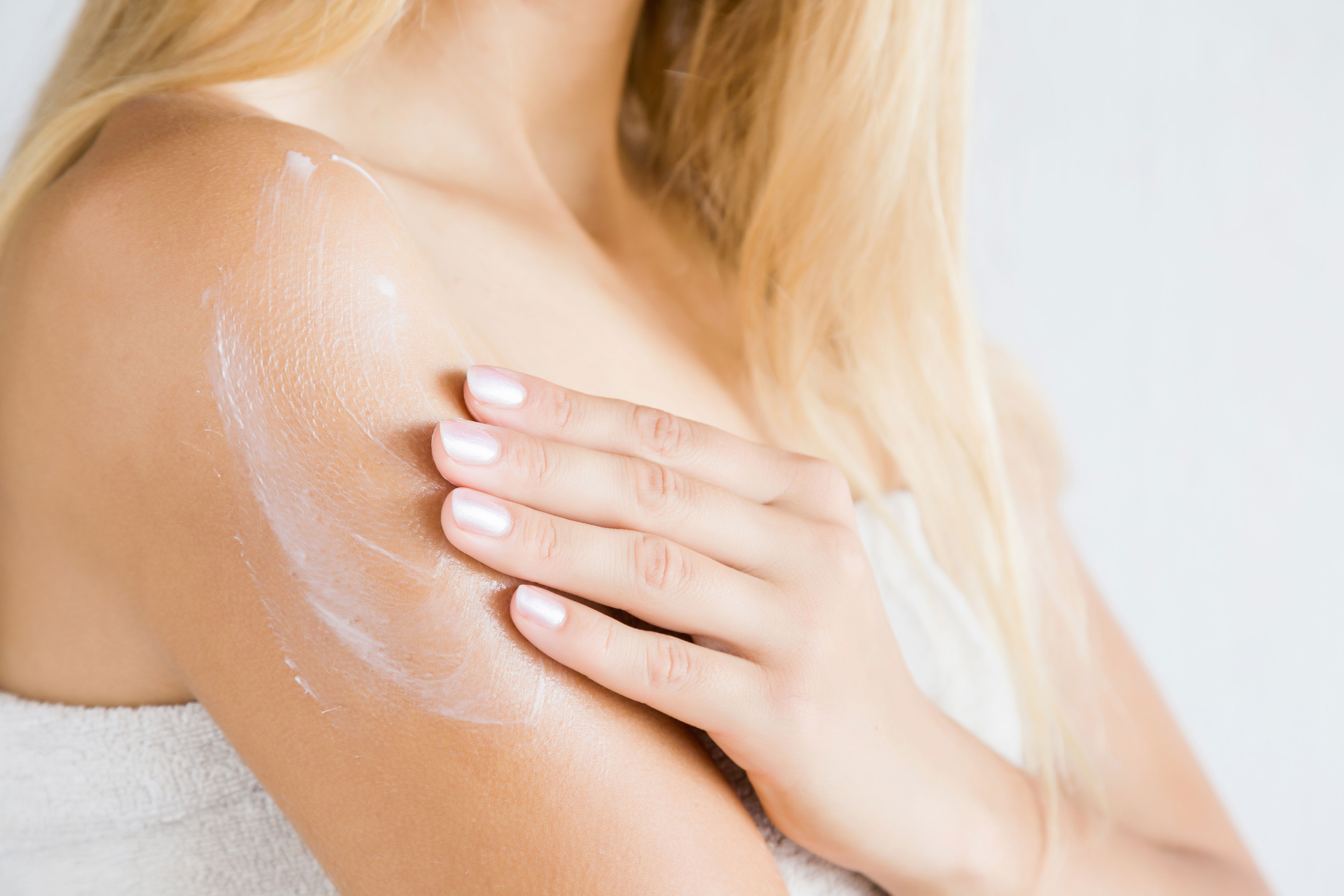
Not every jar labeled skin repair cream behaves the same on your face or hands. Some rely on petrolatum to block water loss, others on plant butters for cushion, and newer formulas use micro-ceramides to rebuild structure. Tallow-based variations bridge the gap: they feel richer than gels but lighter than straight petroleum jelly. If you break out easily, look for non-comedogenic testing or start with a thin layer only on damaged spots. Those who prefer vegan paths might reach for shea and oat balms, rotating with tallow skincare at night for extra occlusion.
The choice also comes down to climate. In humid summers, a whipped tallow face cream with added squalane might be enough. In winter, a denser beef tallow moisturizer plus cotton gloves overnight can prevent cracking. Check packaging too-pumps are neater, tins are easy to refill and travel with. The more a product fits your preferences, the more consistently you'll use it, which is the real difference-maker for healing. If sustainable skincare matters, support brands that publish sourcing and recycled materials.
Troubleshooting irritation while using rich creams
Even a great repair cream can trigger irritation if other parts of the routine are too harsh. If you notice burning, rinse with cool water and reapply only after the skin settles. Check whether your cleanser contains sulfates or your toner uses alcohol-switching to a creamy wash often makes a fast difference.
During flare-ups, pause retinoids and strong acids for a week and rely on tallow balm or a plain beef tallow moisturizer to seal hydration instead. If the skin looks shiny but still tight, you may be skipping humectants underneath; add a hyaluronic or glycerin serum before the cream.
For those with allergies, review ingredient lists for lanolin, essential oils, or preservatives like methylisothiazolinone. Patch test new products on the inner arm for two days before moving to the face. Keeping a simple diary of reactions helps you see patterns and adjust before small irritations become setbacks. If you still struggle, switch to a skin moisturizer for sensitive skin with the fewest ingredients until things calm down.
Choosing a sustainable barrier balm
Sourcing matters when you are looking for a sustainable skin repair cream. Brands that use grass fed beef tallow often partner with local farms, which reduces transport and supports humane standards. Transparent batch codes and published render temperatures show care in production.
If you want refillable packaging, pick tins or glass jars that can be sanitized; pumps work too if they are recyclable. For travel, decant a small portion into a metal pot to cut down plastic waste. Those who prefer plant-based options can look for organic skincare certifications and short ingredient decks that avoid palm derivatives. No matter which path you choose, check for third-party testing and allergen disclosures. That diligence gives peace of mind when you apply the cream twice a day, and it aligns your routine with your values. Buying from ethical skincare Australia makers also keeps support local and lowers shipping emissions. It also signals to small producers that sustainable skincare demand is real.

Conclusion
Healing fragile skin takes patience, but consistency pays off. A well-chosen skin repair cream that mirrors your skin's natural lipids can shorten rough patches and make daily life more comfortable. Pair it with gentle cleansing, steady hydration, and minimal fragrances so nothing competes with the barrier work. If you're curious about grass fed beef tallow formulas, start with a small jar, track your results, and share them with your dermatologist. Staying observant and flexible keeps your routine working as the seasons change. That steady approach turns this repair step into a reliable ally instead of a last resort.
FAQ
How often should I use my repair cream?
Use the skin repair cream twice daily on clean skin, morning and night. If the air is very dry or you wash hands often, add a midday application on trouble spots only. More than three times a day can feel heavy, so boost hydration with a mist or serum instead of piling on thicker layers.
Can a repair cream work for oily or combination skin?
If you're oily, apply a pea-size amount only where you feel tightness-often around the mouth or cheeks. For combination skin, you can use beef tallow moisturizer on dry patches and a lighter lotion elsewhere. Blot excess shine with a tissue rather than scrubbing, so you keep the barrier intact.
Does a repair cream replace sunscreen?
No, a repair cream does not replace sunscreen. In the morning, layer a mineral SPF over your moisturizer once the cream has settled for ten minutes. Sunscreen protects healing skin from UV damage, which otherwise slows recovery and can deepen post-flare discoloration.