Sustainable Skincare: Small Changes That Make a Big Impact
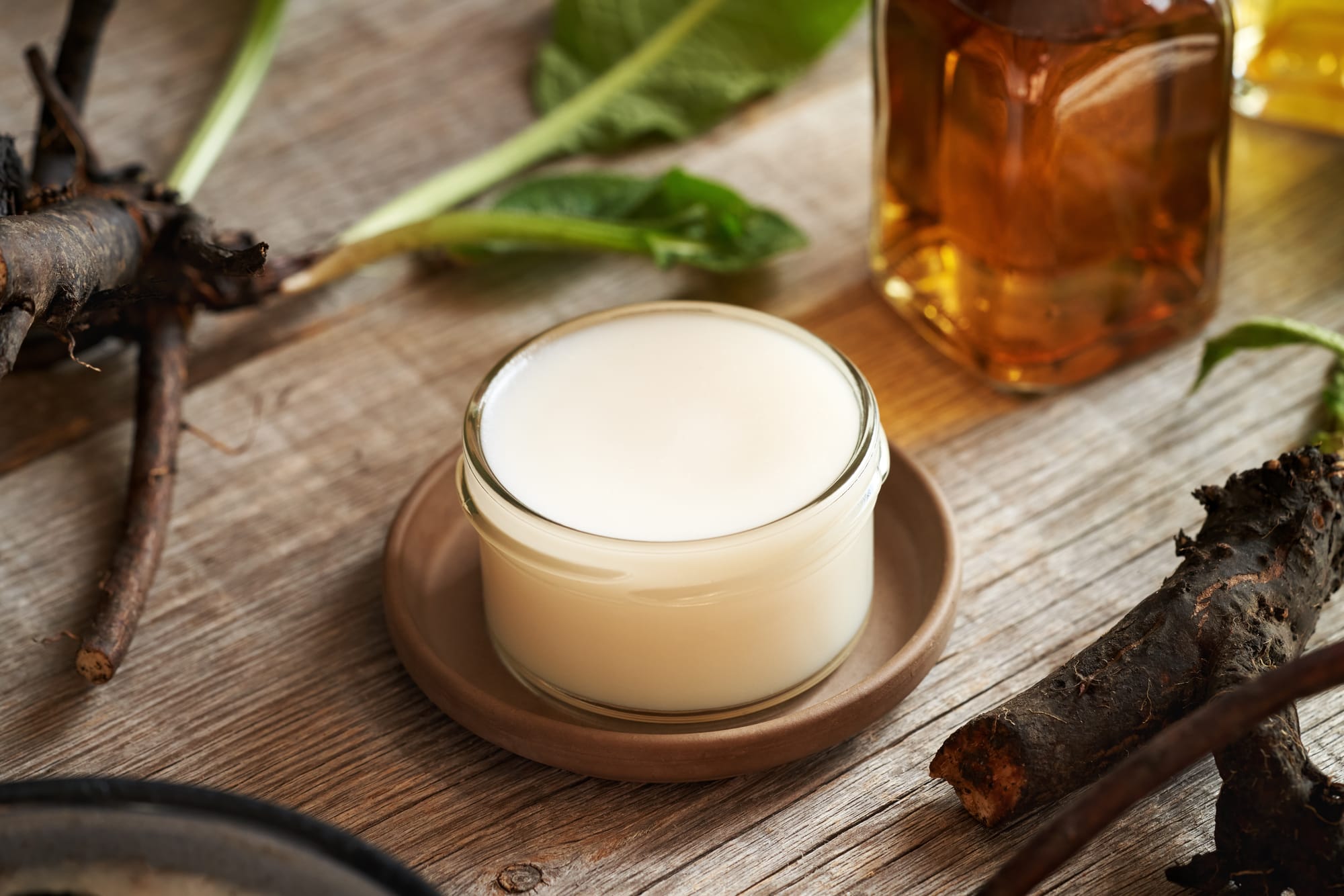
Sustainable skincare starts with simple choices that reduce waste while keeping skin healthy. A switch to grass fed tallow skin cream, bar cleansers, and refillable packaging can shrink your footprint without sacrificing results. You do not need to replace everything overnight; small changes made consistently add up. This approach keeps costs down and lets you test what works before committing. It also makes your routine easier to stick with, because you are focusing on a few reliable products instead of chasing every trend.
Here is a practical plan to build a sustainable skincare routine: pick low-packaging basics, choose ethical skincare Australia brands, and track what you actually use. You will also learn how to read labels, avoid greenwashing, and care for your products so they last.
Start with the biggest-impact swaps
Replace bottled cleansers with bar formats like natural soap Australia makers produce. Choose a tallow balm or tallow skin cream in glass or metal tins instead of plastic jars. Swap disposable cotton rounds for washable cloths and pick mineral sunscreens in recyclable tubes.
By tackling high-use items first, you cut the most plastic quickly. Track what you finish each month; if a product sits unused, skip repurchasing and simplify. This keeps your sustainable skincare routine lean and reduces impulse buys. Set a simple budget for replacements and stick to one-in-one-out to avoid clutter.
Choose ethical, local sourcing
Ethical skincare Australia brands often share farm origins, batch numbers, and third-party testing. Grass fed beef tallow from local farms supports shorter supply chains and fresher fats. Australian made skincare also means reduced shipping miles and better oversight of labor practices.
Look for certifications or clear sourcing statements. If a brand uses imported ingredients, check whether they offset transport or invest in recyclable packaging to balance impact. Brands that publish life-cycle assessments or carbon reporting usually take sustainability seriously. If you cannot find details, email them—transparent makers respond with specifics, not slogans.
Packaging and refill habits
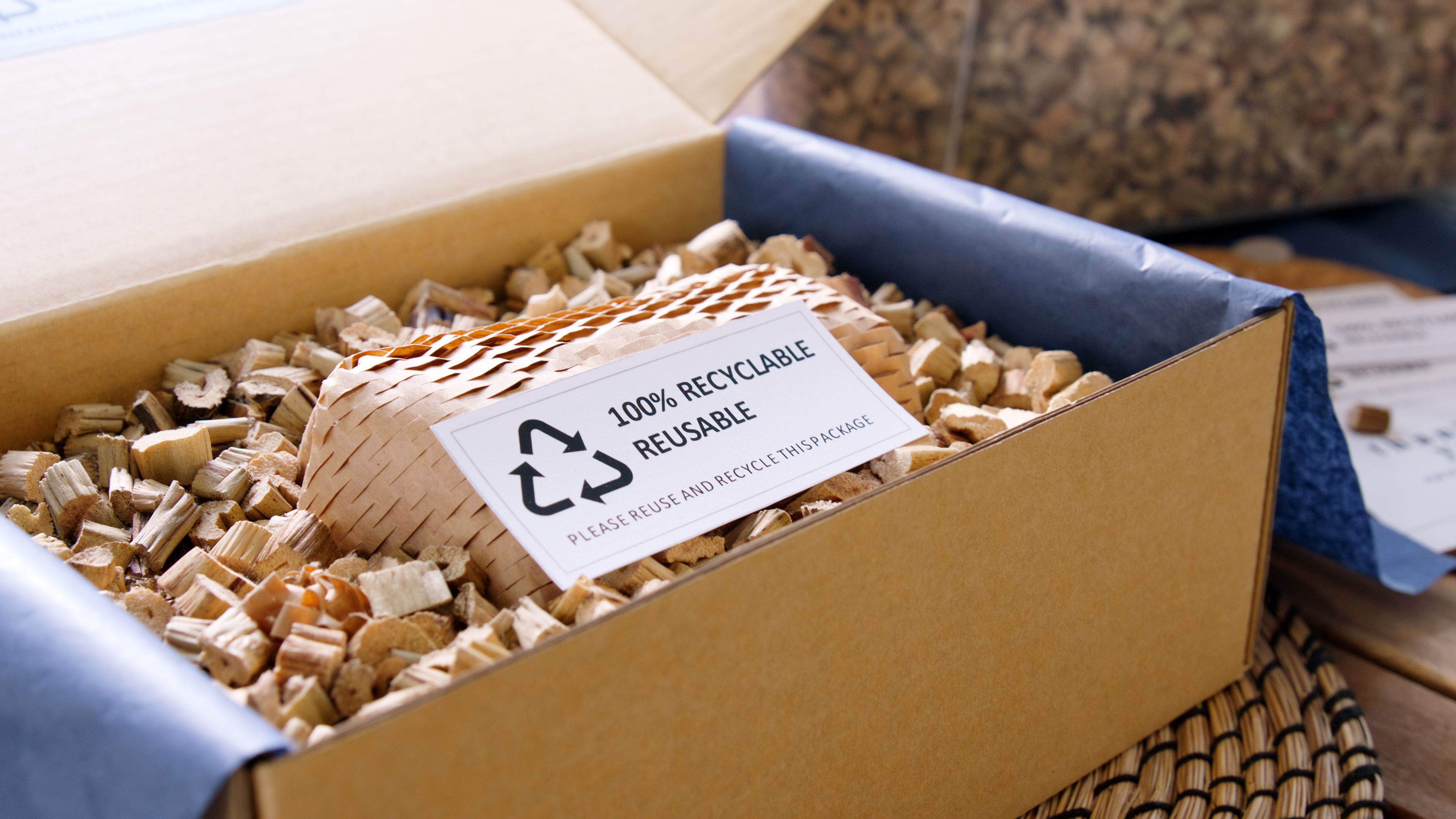
Choose products in glass, aluminum, or sturdy tins that you can reuse. Refill bulk items like hand wash and lotion at local shops when possible. For travel, decant into small tins rather than buying mini plastics.
Keep a simple stash: one cleanser, one moisturizer, one treatment, one sunscreen. Label open dates so you finish items before they expire, preventing waste and keeping formulas potent. Store backups in a cool, dark place and avoid overbuying during sales unless you can realistically use them before expiry. Reuse sturdy jars for travel or samples to share with friends instead of buying new containers. If your local store offers bulk refills, bring your own clean tins and track how long each fill lasts to right-size future purchases.
Spotting greenwashing
Read ingredient lists instead of front-label claims. If a product shouts "natural" but uses heavy fragrance, parabens, or vague "proprietary blends," be cautious. Look for transparent percentages of active ingredients and clear recycling instructions.
Organic skin care Australia products should list certified components or farms. If you cannot find sourcing details or batch testing, reach out to the brand or choose another option. Real sustainability is specific and verifiable. Beware of excess packaging like nested boxes and plastic seals when a single recyclable container would do. If a brand refuses to answer sourcing questions, move on to one that will.
Care and storage to extend product life
Store balms and bars away from direct sun and steam to prevent melting or oxidation. Use dry hands or a spatula to scoop tallow balm so no water shortens shelf life. For soaps, use a draining dish to avoid mushiness.
Plan a simple skincare routine morning and night to ensure steady use. Set reminders to finish open products before opening new ones. This cuts waste and keeps your sustainable skincare investments working longer. If you buy in bulk, split a large balm into smaller sterilized tins to keep the main container sealed. Track how long each item lasts to make smarter refill decisions.
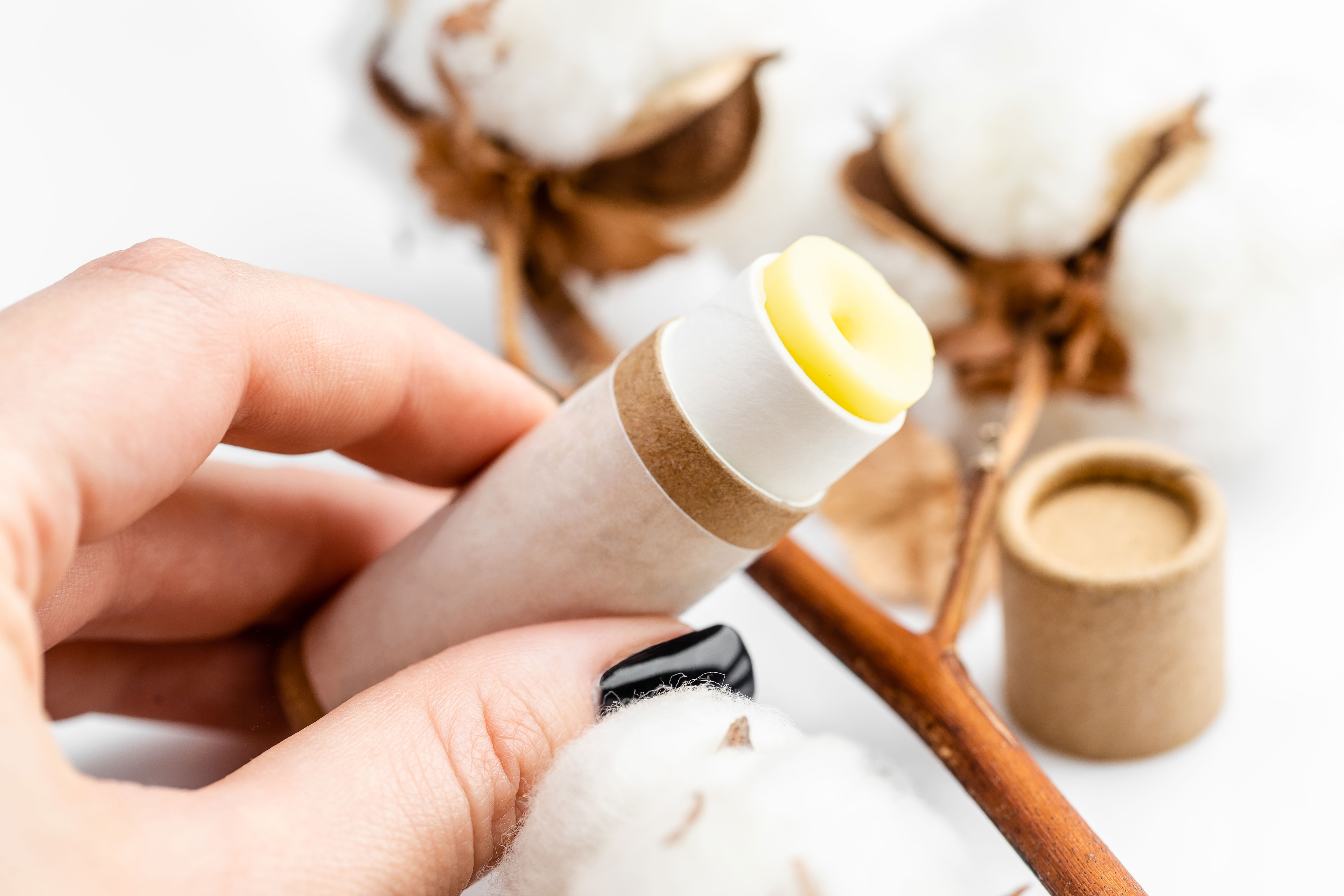
Measure and improve over time
Audit your bathroom once a quarter: count empties, note plastics avoided, and list products that underperformed. Replace weak performers with concentrated alternatives or multipurpose items. Set a goal, such as cutting bathroom waste by 25% over six months, and track progress.
Share favorites with friends or in local groups; pooled orders can reduce packaging and shipping impact. These small, steady improvements make sustainable skincare a lasting habit rather than a one-time switch.
Design a low-waste bathroom setup
Keep a draining dish for every bar product to extend life and avoid mushy waste. Use a small caddy for refillables so you remember to top up before bottles run dry. Store backups together with a note of expiration dates to prevent forgotten stock.
Add a simple recycling bin in the bathroom for tins and cardboard so they do not end up in trash by default. If you share space, post a short guideline for family members—how many pumps to use, which bars are face-only, and where to place empties. Clear organization reduces mistakes and keeps your sustainable skincare routine on autopilot.
Budgeting and tracking impact
Plan a monthly budget for sustainable skincare so you buy intentionally. List what you truly need, then choose the lowest-waste option that fits. Note how many plastics you avoid each month by switching to tins and bars, and celebrate milestones to stay motivated.
If you commute or travel, pack travel tins and solid products to avoid hotel minis. Consider carbon-neutral shipping options when ordering online. These small accountability steps make sustainable skincare measurable instead of abstract.

Conclusion
Sustainable skincare is about steady, low-waste habits, not perfection. Start with one swap—like a tallow skin cream in a tin—and add more as each becomes routine. Buying from local, ethical makers keeps products fresh and impact low.
Review your kit monthly, use what you buy, and celebrate the waste you did not create. Keep a short list of go-to sustainable skincare brands so reordering stays simple and aligned with your goals. Set an annual goal—like eliminating five plastic items—and look back at the end of the year to track real progress.
FAQ
Do sustainable skincare products cost more?
Not always. Concentrated balms and bars often last longer, offsetting a higher unit price. Buying fewer, better items can lower monthly spend.
How do I recycle tins and glass from tallow products?
Rinse and dry tins or jars, then place them in your metal or glass recycling. You can also repurpose them for travel sizes or storage.
What if a product I love comes only in plastic?
Look for larger refill sizes to reduce total plastic or ask the brand about future refill programs. Use it fully before replacing and balance with low-waste choices elsewhere in your routine.