Commercial Soap vs Handmade Soap: Why Cold Process Tallow and Milk Soap Is Different
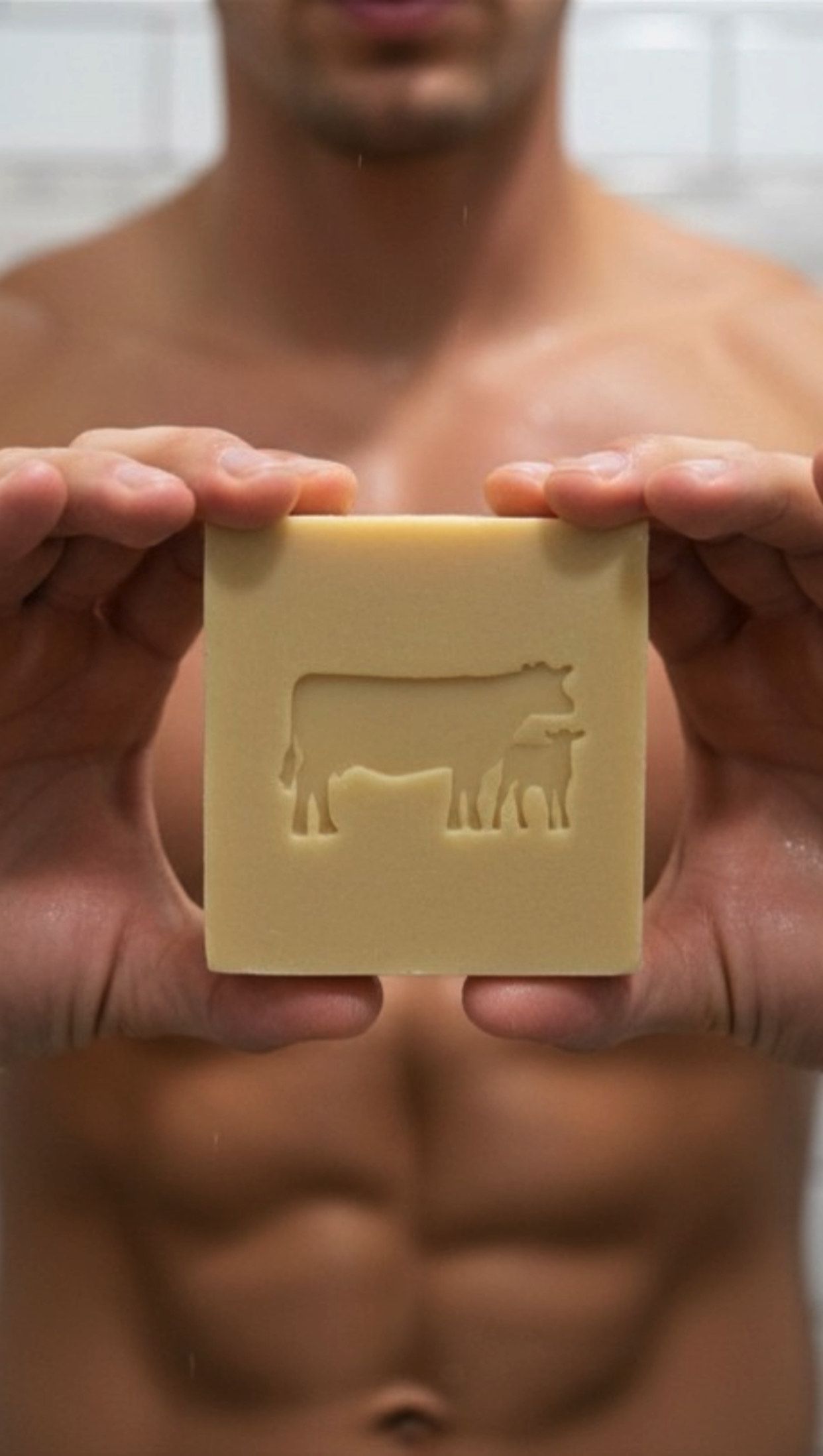
When it comes to choosing soap, many people don’t realise there is a significant difference between commercial soap and handmade soap. While they may look similar on the shelf, the ingredients, process, and overall approach can be very different.
Understanding the difference between commercial soap and handmade soap can help you make more informed choices about what you use on your skin every day.
What is Commercial Soap?
Most products sold as soap in supermarkets are made on a large scale using highly processed ingredients. In many cases, these are not traditional soaps but synthetic detergent bars designed for efficiency, long shelf life, and consistent appearance.
Commercial soap is typically:
- Mass-produced in factories
- Made using processed or synthetic ingredients
- Designed for uniformity and long shelf life
- Formulated for cost efficiency
Because of this, the focus is often on production at scale rather than traditional methods or ingredient simplicity.
What is Handmade Cold Process Soap?
Handmade soap is created using traditional methods, most commonly the cold process soap method, where oils or fats are combined with lye to form real soap through saponification.
Cold process handmade soap is usually:
- Made in small batches
- Crafted using simple, recognisable ingredients
- Carefully produced rather than mass manufactured
- Allowed to cure naturally over time
This method is often chosen by those looking for a more traditional approach to soap making, with a focus on quality ingredients and careful preparation.
Difference Between Commercial Soap and Handmade Soap
The difference between commercial soap and handmade soap comes down to ingredients, process, and intent.
Commercial soap is designed for:
- Large-scale production
- Long shelf life
- Consistency across batches
Handmade soap is created with a focus on:
- Small batch production
- Ingredient simplicity
- Traditional soap-making methods
For many people, the appeal of handmade soap lies in its more hands-on approach and the use of fewer, more recognisable ingredients.
Powdered Milk vs Fresh Milk in Soap Making
Milk is a popular ingredient in soap making, known for contributing to a creamy lather and a gentle cleansing experience. However, there is a clear difference between powdered milk and fresh milk in soap making.
In commercial production, milk is often added in the form of powdered milk. This is mainly because powdered milk:
- Has a longer shelf life
- Is easier to store and transport
- Works well in large-scale manufacturing
In contrast, some small-batch soap makers choose to use fresh milk in handmade soap, which requires a more careful process.
Fresh Milk Soap Made with Care
At Aussie Tallow, soap is made using fresh Jersey cow milk, sourced directly from their own farm.The process involves:
- Measuring the fresh milk for each batch
- Freezing the milk before use
- Slowly combining the frozen milk with lye
Freezing the milk is an important step in cold process soap with raw milk, as it helps control temperature during mixing. This prevents overheating and allows the milk to be incorporated more gently into the soap.
This approach takes more time and care but reflects a commitment to traditional methods and ingredient quality.
Why Use Tallow in Cold Process Soap
Tallow has been used in soap making for generations and remains a key ingredient in many traditional recipes. When considering why use tallow in cold process soap, it is often valued for the type of bar it produces.
Tallow-based soap is known for:
- Creating a firm, long-lasting bar
- Producing a creamy lather
- Working well in combination with other simple ingredients
When combined with milk, it contributes to a soap that feels smooth and balanced during use.
cold process soap method Soap - Wikipedia
A Simpler Approach to Soap
Choosing between handmade soap vs store bought soap often comes down to personal preference. Some people prefer products made using traditional methods and fewer ingredients, while others prioritise convenience and availability.
Handmade soap represents a return to:
- Small batch production
- Simple formulations
- Traditional techniques
This approach focuses on keeping things straightforward and avoiding unnecessary complexity.
Shop Natural Cold Process Tallow and Raw Milk Soap Bars
If you are looking to experience the difference for yourself, you can explore our range of cold process handmade soap bars made with fresh Jersey cow milk and carefully rendered tallow.
Each bar is handcrafted in small batches using simple, thoughtfully chosen ingredients and traditional methods.
Shop now at:
Frequently Asked Questions
What is the difference between commercial soap and handmade soap?
Commercial soap is typically mass-produced using processed or synthetic ingredients, while handmade soap is created in small batches using traditional methods and simpler ingredients.
Is tallow soap better than regular soap?
Many people choose tallow soap because it is made using traditional methods and produces a firm bar with a creamy lather. Preferences can vary depending on individual needs.
Why do some soaps use powdered milk instead of fresh milk?
Powdered milk is easier to store, transport, and use in large-scale manufacturing. Fresh milk requires more careful handling and is more commonly used in small-batch soap making.
How is fresh milk used in cold process soap?
Fresh milk is measured, frozen, and then slowly combined with lye to help control temperature and preserve the quality of the milk during the soap-making process.
What is cold process soap?
Cold process soap is made by combining oils or fats with lye, allowing a natural chemical reaction called saponification to occur. The soap is then cured over time.